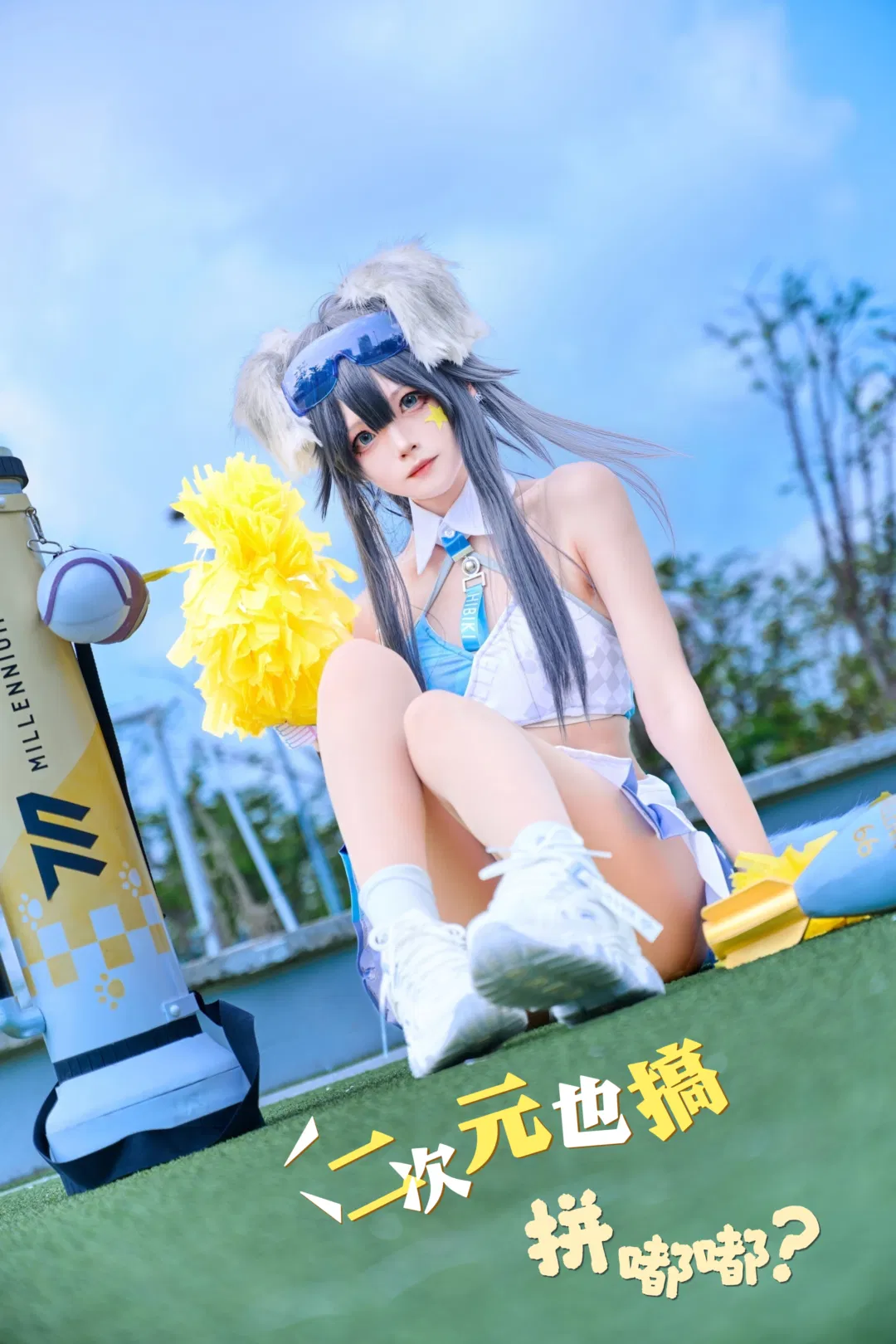
Adjusting the position of the goggles atop my head, I checked the edge of the reflector panel along the track runway. The temperature for this outdoor shoot was higher than expected, requiring four or five bobby pins just to barely keep the wig anchored against the wind. Cosplaying Ai Hoshino in this cheerleader uniform demands immense physical dynamic tension. The yellow-and-blue color-blocked outfit is exceptionally vibrant under natural sunlight, but to capture that split-second momentum of tossing the pom-poms into the air, I jumped over a dozen consecutive times before landing a satisfying composition. Managing facial expressions was far more exhausting than the physical actions; the star sticker on my right cheek was prone to glare in close-ups, needing to be pressed down twice with translucent powder. Many assume outdoor shoots only require wearing nice garments, but if fabric textures and illumination don't align properly, post-processing workloads increase drastically. To maintain sharp body contours, I had to watch my diet strictly during the prior week, and on set I had to drink water through a straw at all times to prevent smudging my lip makeup. Wrapping up this set, we immediately pivoted to an indoor studio shoot the following day.
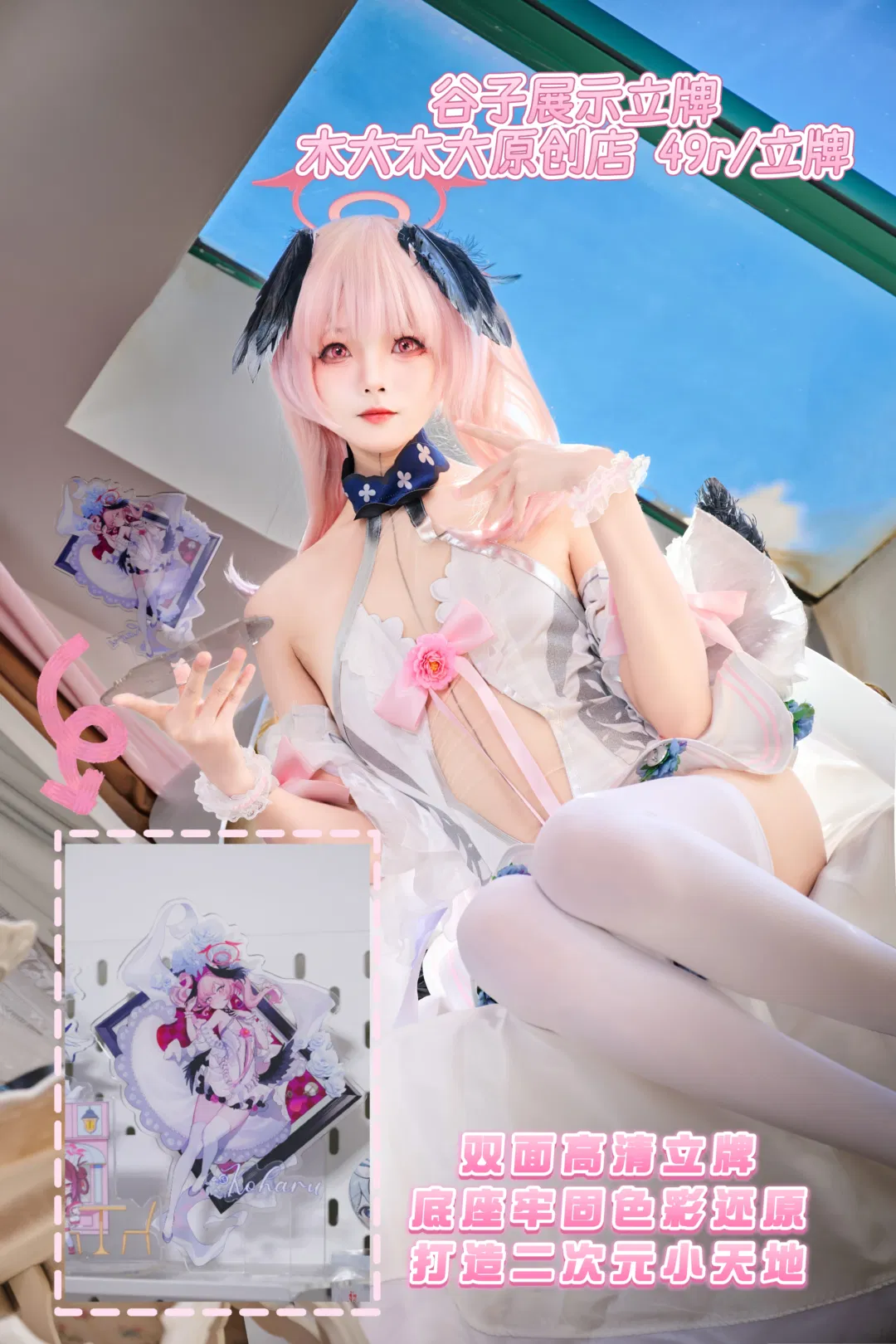
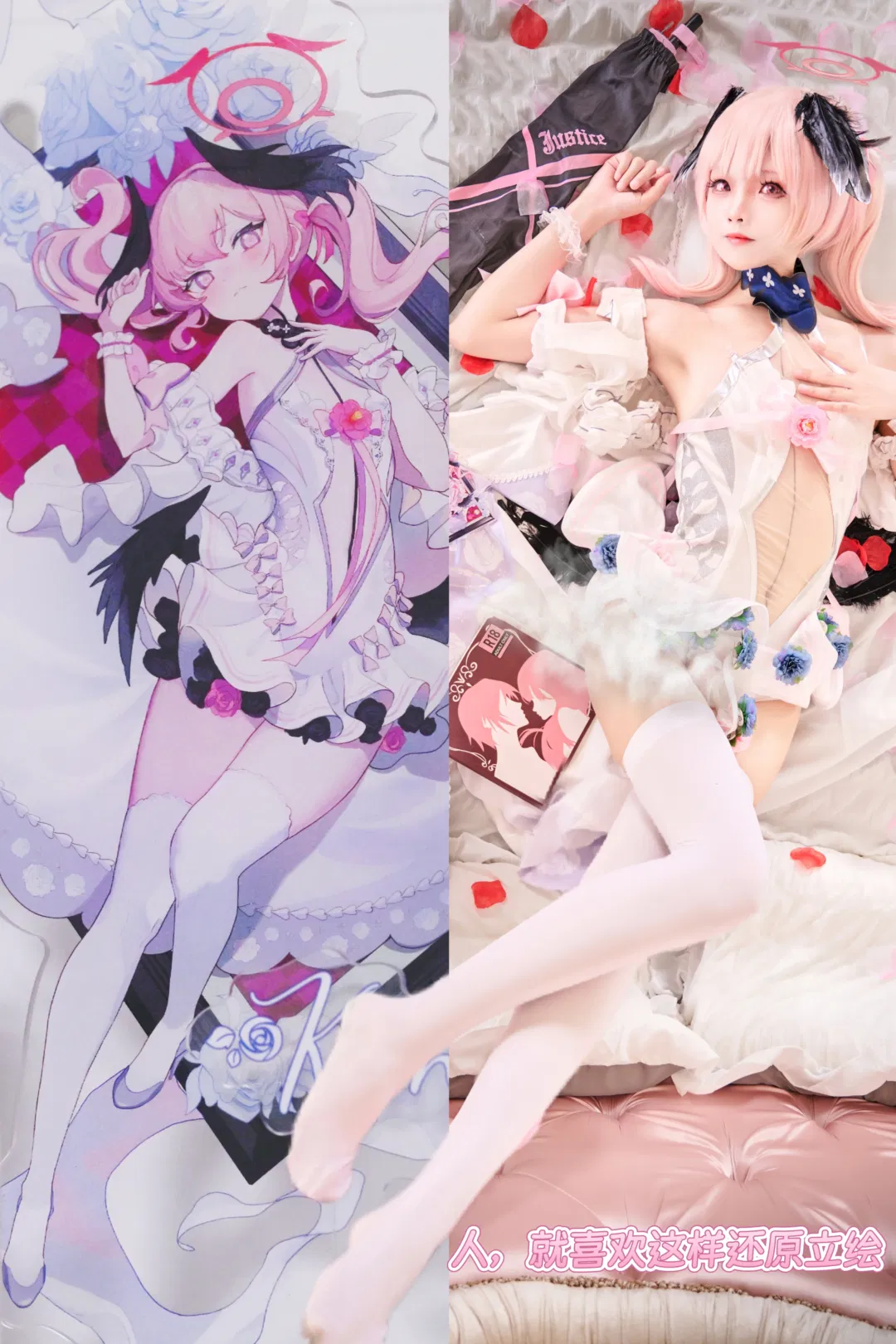
White stockings and translucent fabrics place even higher demands on lighting. This time, I attempted to recreate the side-reclining pose from the official illustration: to match the perspective of the original artwork, my waist had to stay suspended mid-air with engaged core muscles, which caused trembling after just a few minutes. The black collar and feather accents around the neck easily shifted out of alignment, requiring the lace trimming to be smoothed out after every minor adjustment. White stockings easily catch snagged threads against wooden flooring, so I prepped spare pairs in advance. The pink rose and blue floral corsages pinned across the chest were secured with safety pins, demanding extra caution while reclining sideways to avoid crushing them. Some have asked why I didn't simply rely on digital composite rendering in post-production, but I truly believe that authentic fabric draping and tangible light reflections are irreplaceable by digital renders. Even the specular highlight reflections dancing across the stockings are organic textures that can only be captured live on set.
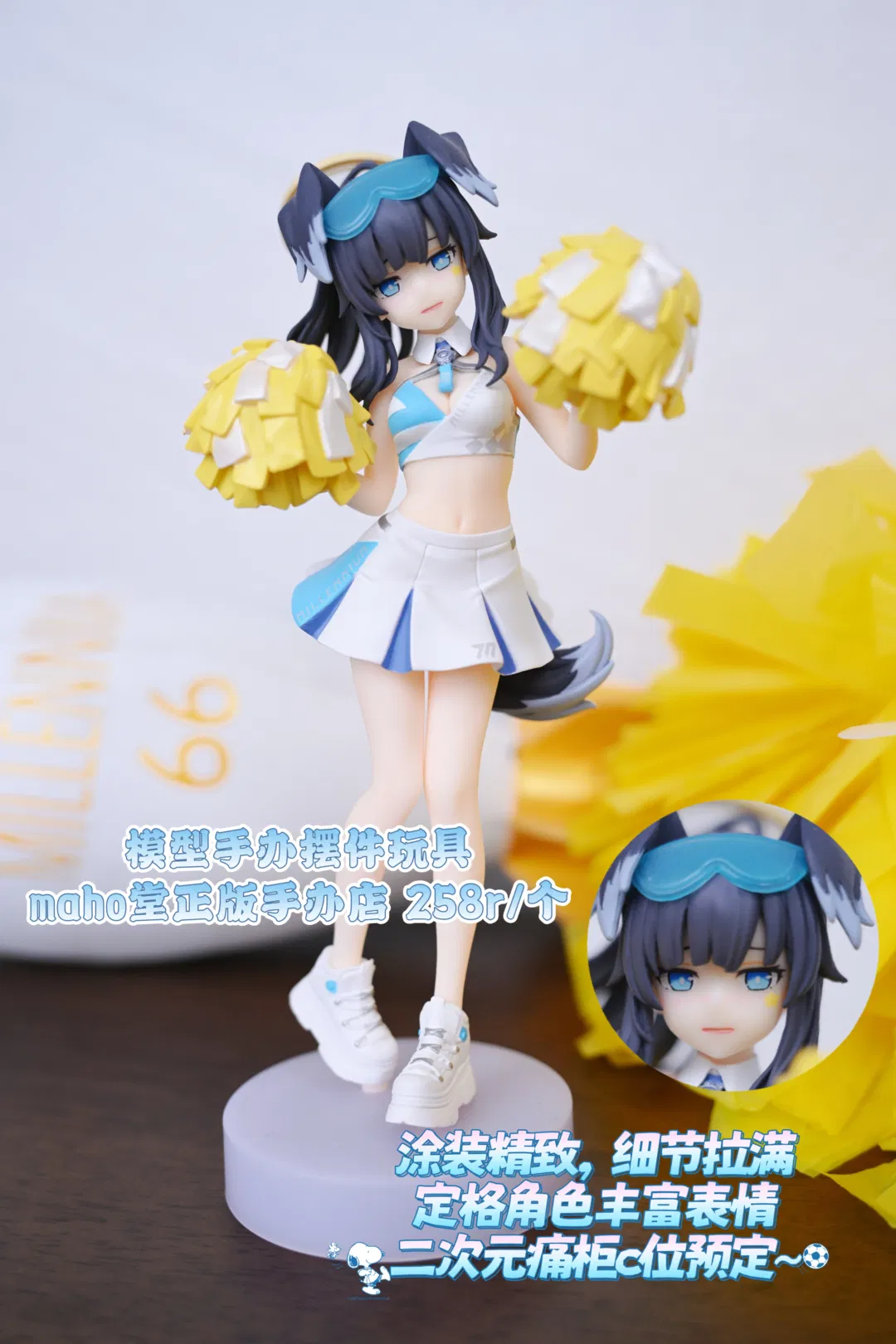
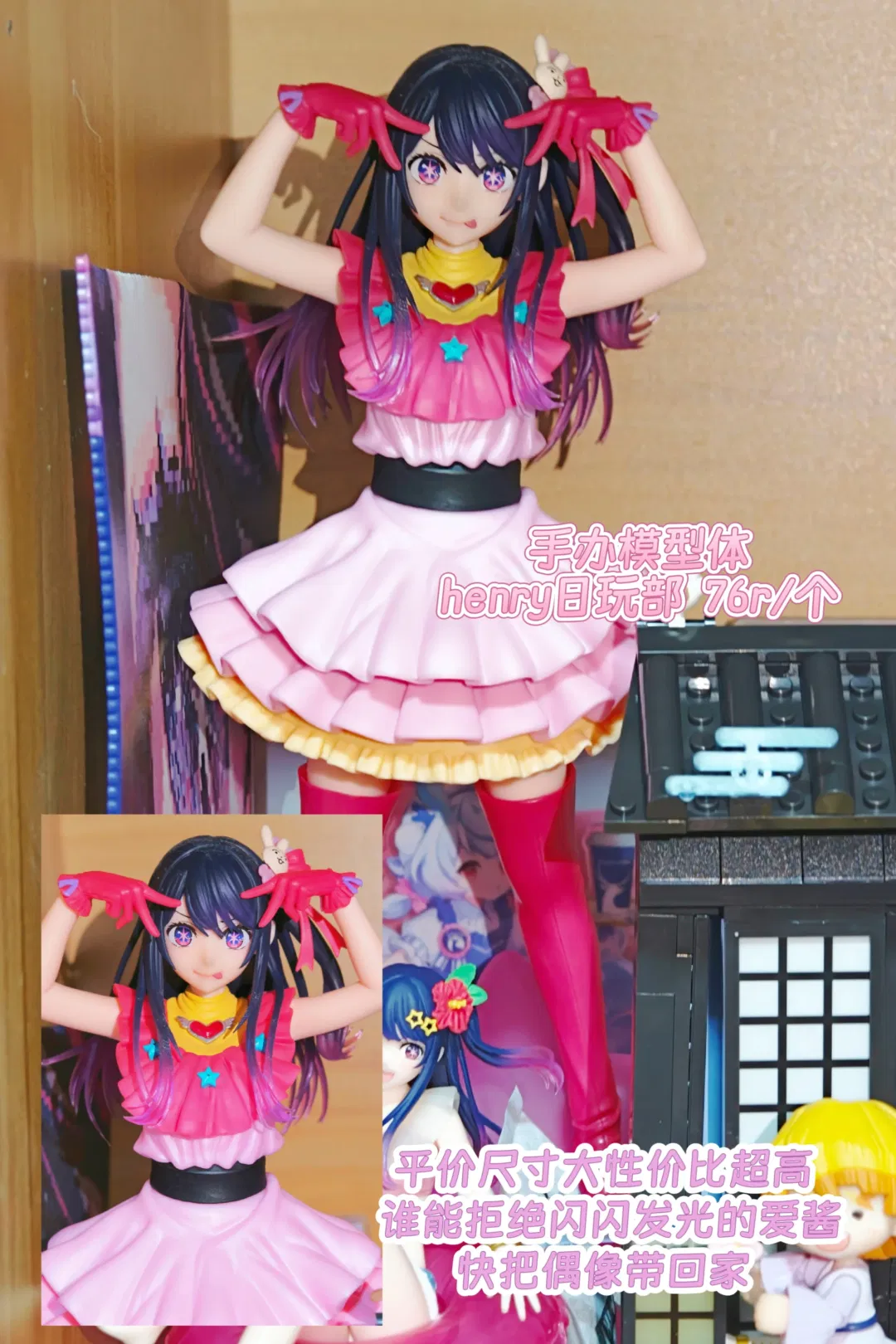
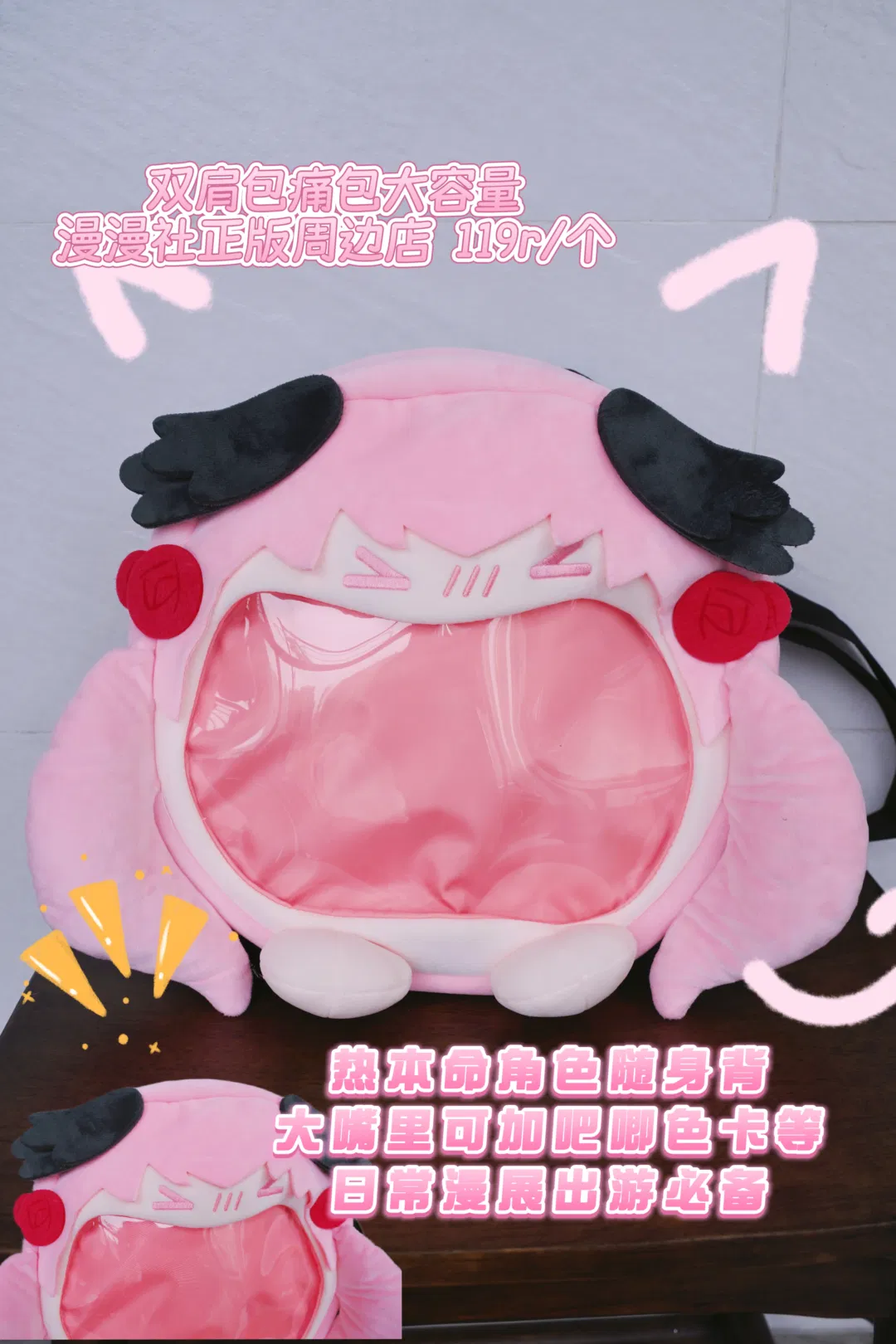
Beyond outdoor and studio shoots, the everyday ritual of organizing character merchandise is equally therapeutic. The paint finishes on figures and models are packed with rich nuances—from subtle hair gradients to the molded sole patterns on sneakers, all deserving leisurely appreciation under a desk lamp. The capacious pocket of my Itabag holds plenty of color art boards and tin badges; slinging it over my shoulder when visiting conventions allows me to spot fellow fans instantly amidst the bustling crowds. Integrating 2D elements into reality isn't just about putting on a costume—it's about transforming the things you love into an organic part of your life's journey. Sometimes, after peeling off the makeup post-shoot and seeing the wig hanging on the rack beside the figures on the desk, that sense of detached transition feels genuinely enchanting.
After wrapping the outdoor set and gathering the pom-poms and cheer sticks, I noticed the rubber crumb pellets from the artificial turf clinging to the soles of my sneakers. On the way back, I cleaned out the spare hairnets and safety pins in my bag. Having shot several consecutive character looks recently, the physical toll has been significant; yet every time I view the finished images and these intricately detailed character goods, all those hours sweating under the sun or contorting sideways in the studio take on a concrete, rewarding form. The next shooting plan is already in the works with the wardrobe and prop manifests drafted, looking forward to turning more flat 2D designs into dimensional reality step by step.