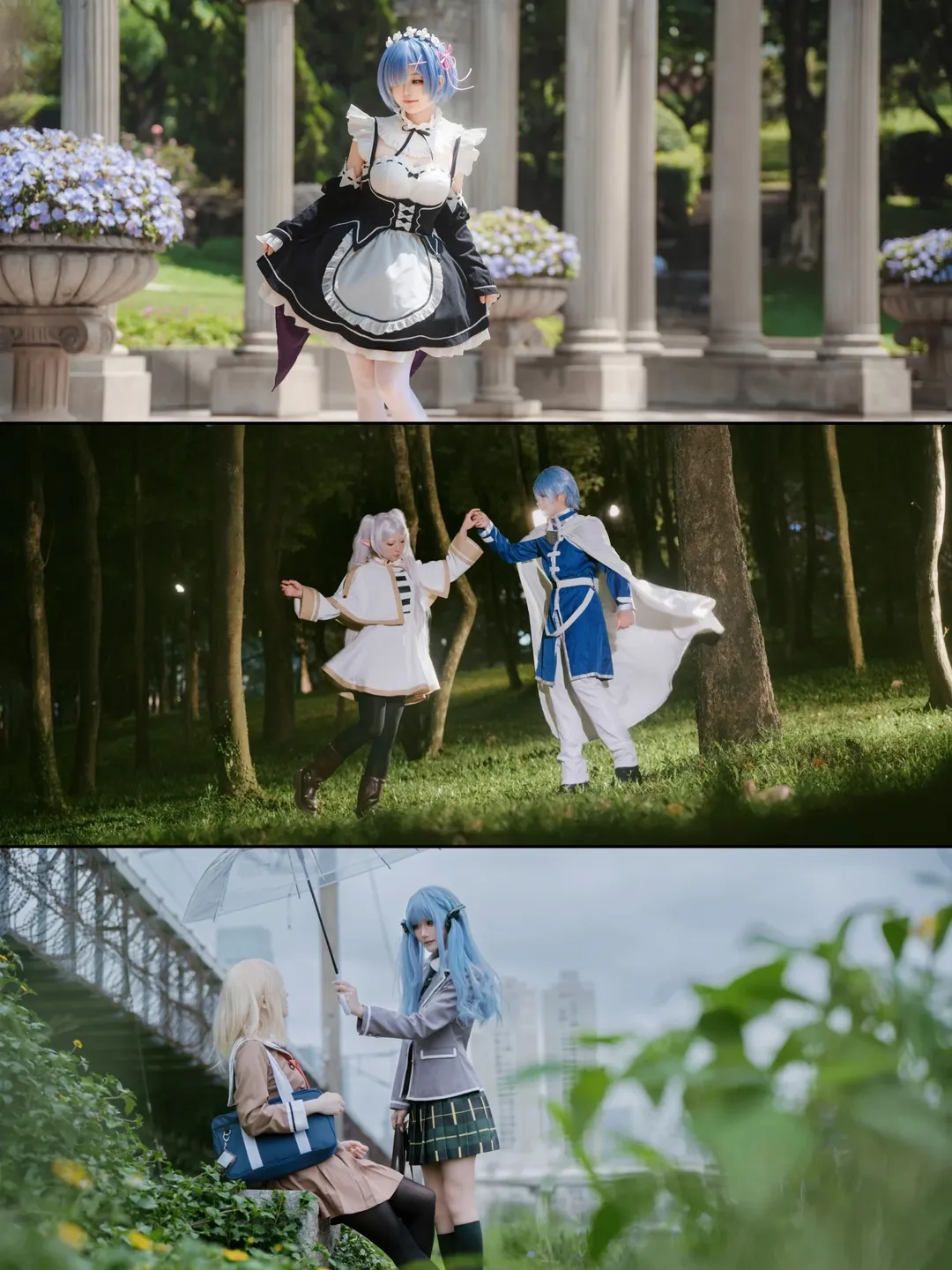
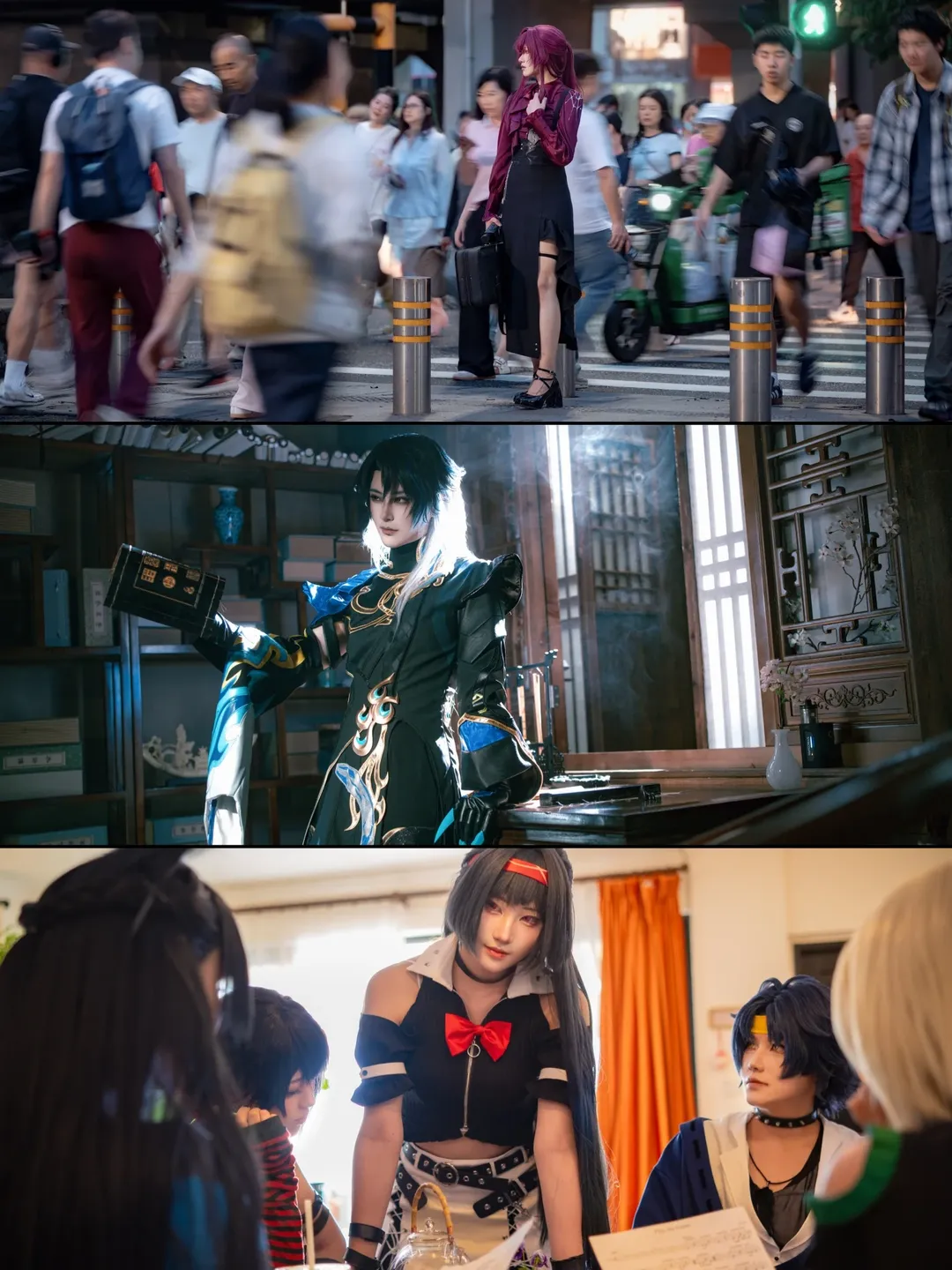
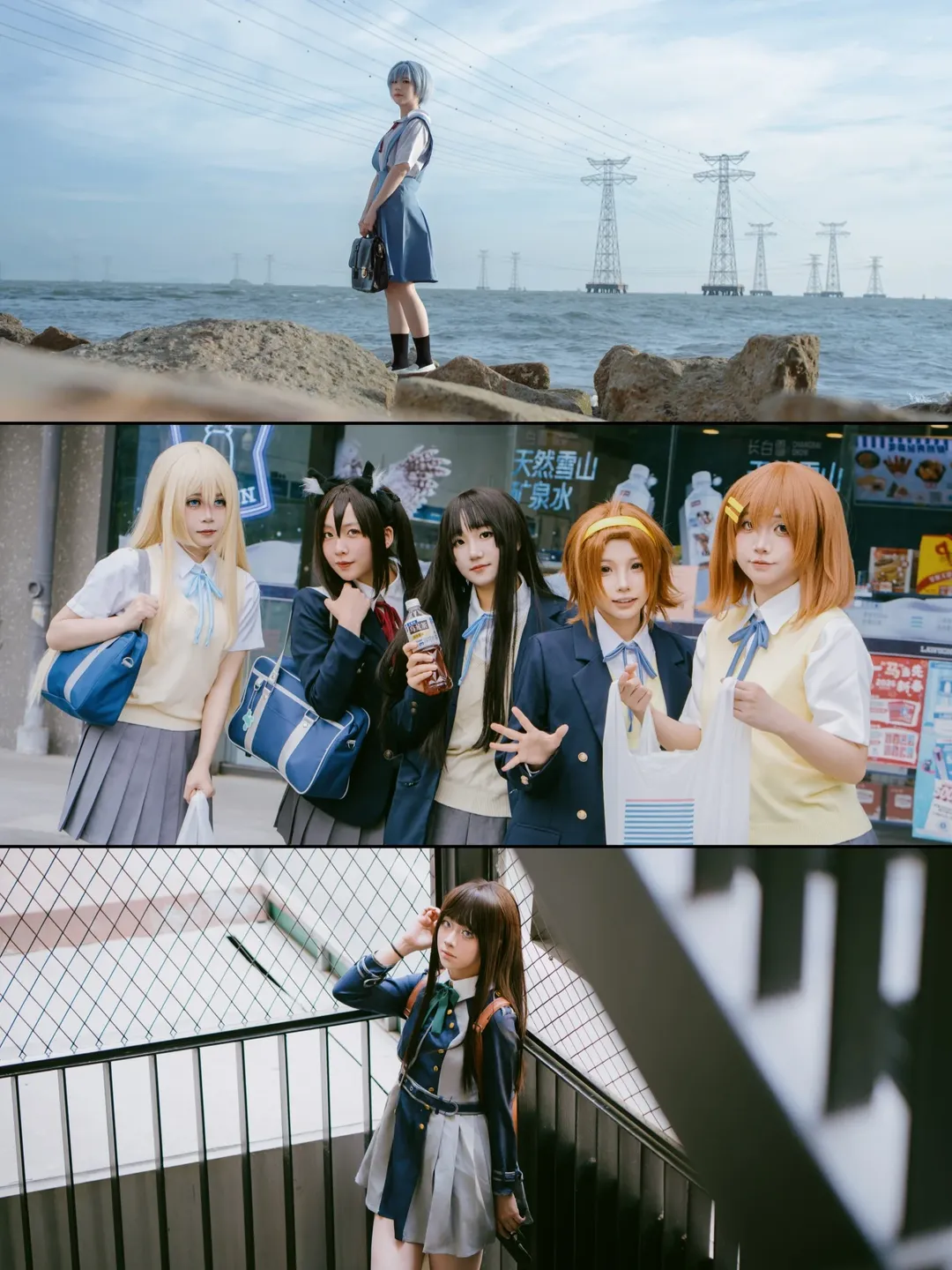
Must a model always gaze directly into the camera during a Cosplay photoshoot? There is truly no single definitive answer. While I frequently produce polished aesthetic portraits, I would never abandon Storytelling photography. Compared to superficial glamour shots, when a character engages organically with the environment and narrative, it manifests an authentic physical presence—a genuine sense of existing in the real world. Letting the model interact with the scene and their partner while the lens retreats into the distance for candid observation, minimizing camera presence as much as possible, demands deep intuitive chemistry.
When we twirled together in the woods, holding hands, we gave no thought to where the lens was positioned. Sunlight dappled through the leaves onto our garments; the fluttering cape and swirling skirts were purely natural reactions born from immersing ourselves in that shared world. The scene sharing an umbrella in the rain was identical—mist and cool air served as quintessential ambient props, where simply exchanging glances without forced smiles conveyed full emotional resonance. Carrying plastic convenience store bags outside a storefront, or casually smoothing hair while leaning against a stair rail—these raw fragments of real life become deeply moving when mapped onto fictional characters.
On the occasions I do direct the model to look at the lens, I guide them to perceive the camera as an in-universe partner or rival, preventing the lens from feeling like an alien intruder within the character's reality. The lens is not an unfeeling machine; it represents another person within the story. When gazing into it with that mindset, the message behind your eyes is no longer static posing, but an active, spoken dialogue. Prior to shooting, I clarify the emotional dynamics with my partner and treat the photographer as a passerby glimpsing our private narrative, which charges each frame with compelling visual tension.
The cinematic immersion delivered by the Sony A7C II was genuinely breathtaking. The lightweight body and rapid autofocus of the Alpha 7C II allowed the photographer to retreat farther into the background to freeze unposed instants. Sony's straight-out-of-camera color rendition was exceptionally organic, cutting out tedious color grading while maximizing light texture and authentic skin grain. Once I stopped tensing up to please the lens, I realized my presence in the images looked far more vivid. Whether styled in an ornate maid dress or a simple school uniform, photogenic presence does not come from staring wide-eyed at a camera—it comes from knowing how to forget it entirely.
Sculpting narrative depth rests upon mutual trust between photographer and cosplayer. Treating the camera as a fellow traveler in the story, turning every single snapshot into an authentic narrative slice, is where the supreme joy of reconstructing 2D daily life in our three-dimensional world truly resides. Never fear looking away from the camera, nor dread having imperfect moments frozen in time; authentic vulnerability is often far more powerful than painstakingly manufactured poses.