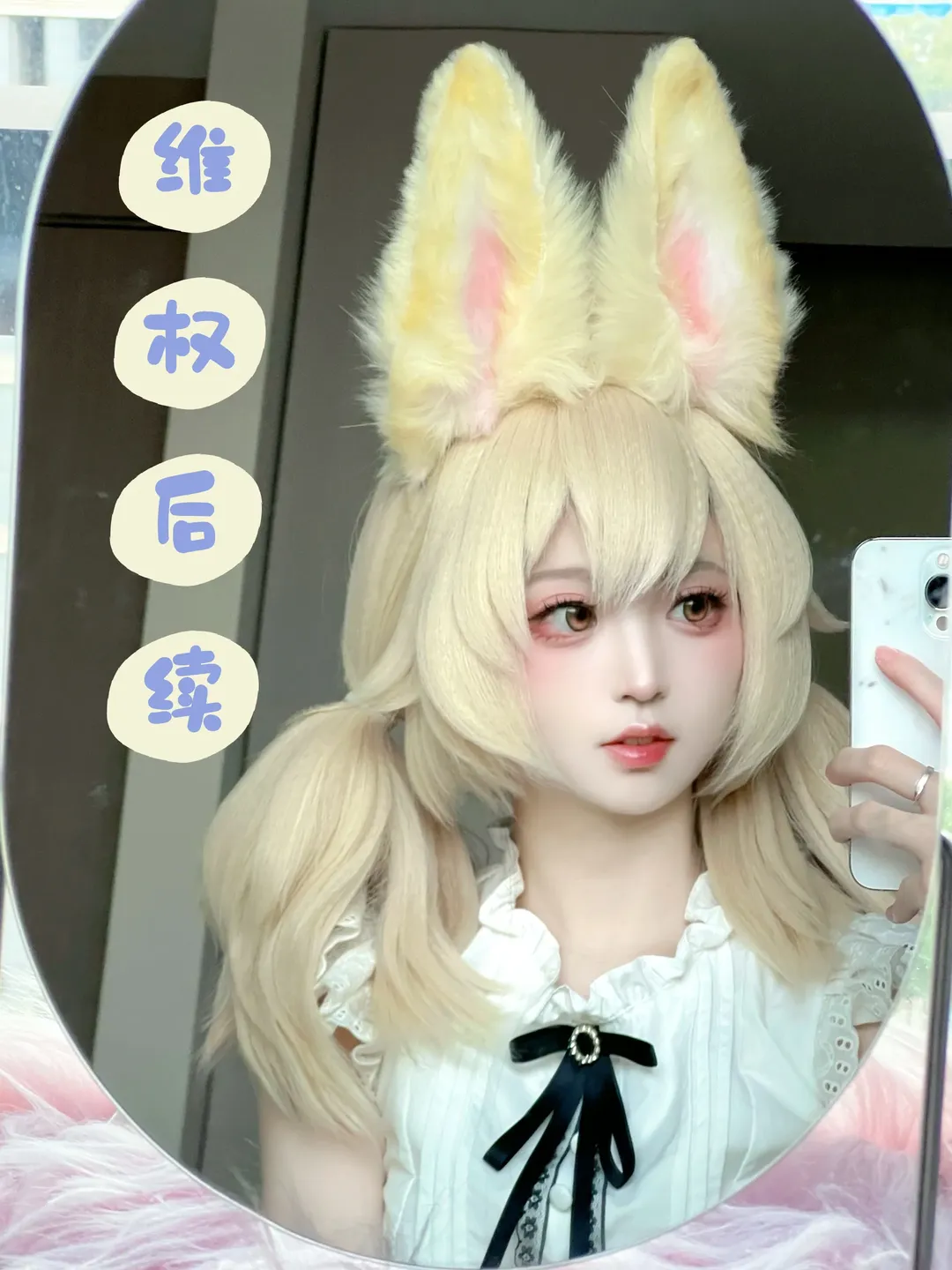
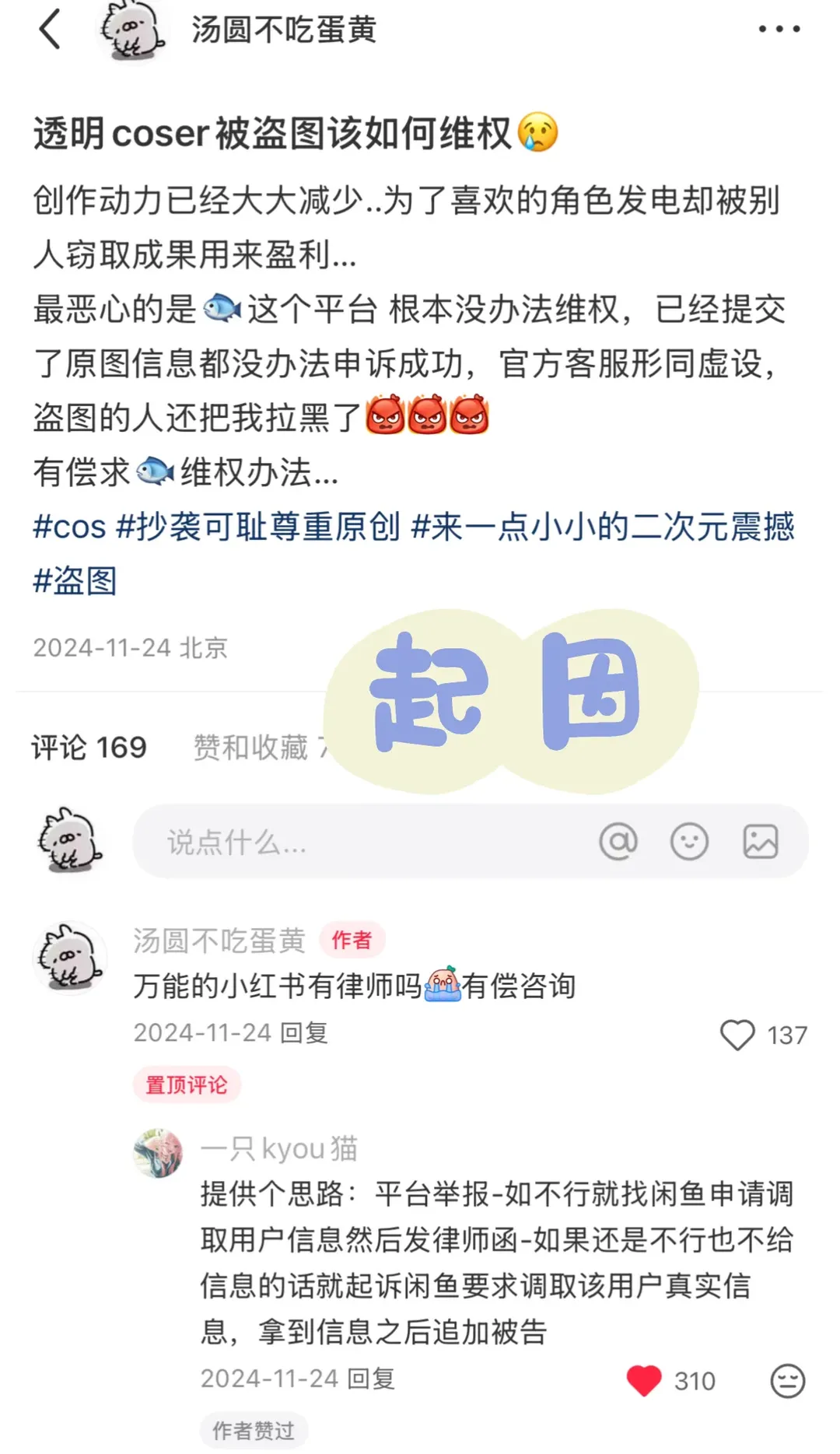
The photos of that Blonde animal ears cosplay outfit were originally just photography works expressing my love for the character. I never expected they would be stolen by unscrupulous merchants to scam deposits from unsuspecting fans. When victims reached out to me, I felt immense guilt and anger, prompting me to post a call for help on social media seeking a solution.
Initially, I tried submitting copyright infringement complaints myself on major e-commerce and second-hand platforms. Disappointingly, platform review processes were extremely rigid. Even after submitting raw image EXIF data, my appeals were repeatedly rejected, and customer service felt useless without human support channels. Worse, once confronted, the thieves blocked me with a smug attitude. My motivation plummeted, feeling helpless while my hard work was stolen. Image theft is shameful.
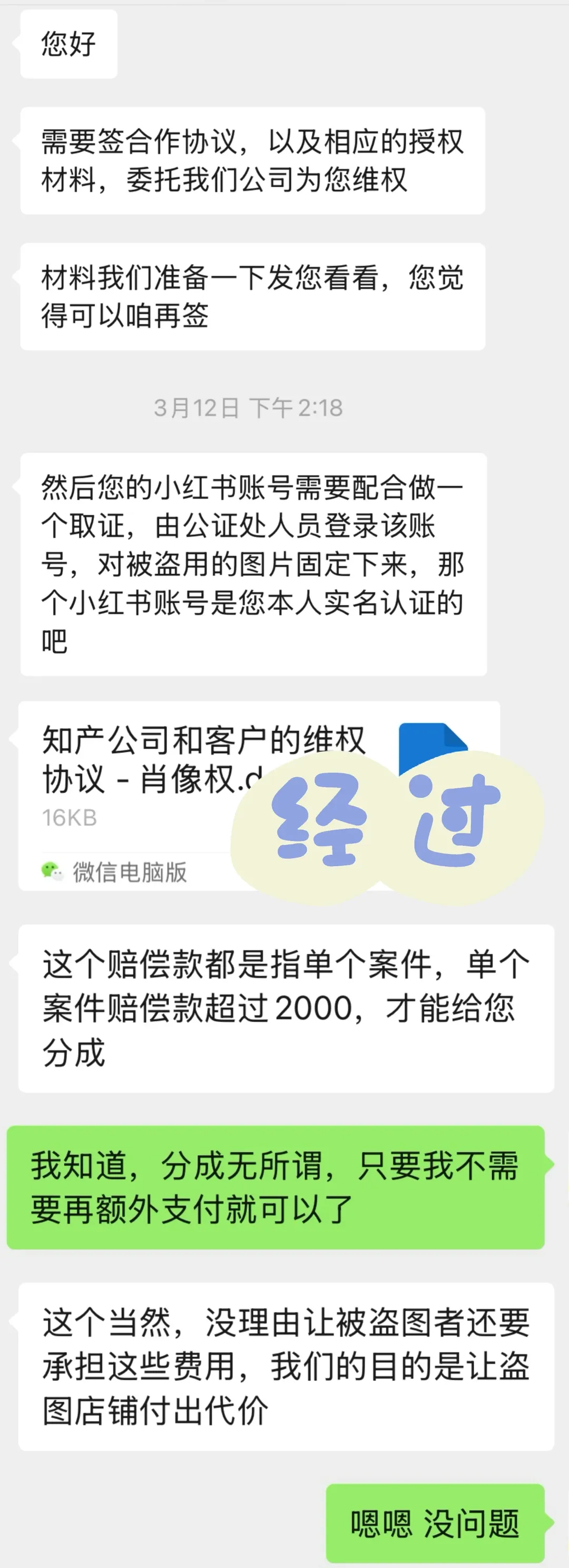
Realizing the time, energy, and money required for personal legal action, I almost gave up. For ordinary cosplayers, court lawsuits, notary fees, legal fees, and travel costs add up to a daunting sum. Just when I felt discouraged, an intellectual property rights protection agency reached out, offering to represent me.
Honestly, I was cautious at first, fearing a contract trap or hidden fees. But after reviewing the agreement carefully to confirm risk and liability boundaries, I agreed to let them take over. The most crucial part was their contingency fee model: all initial filing, evidence collection, and platform complaint costs were covered upfront by them at zero out-of-pocket cost to me. If the case won and recovered damages exceeded 2,000 RMB, the agency would share the surplus; if damages fell below this threshold, the entire payout went to cover their operational costs. My mindset was simple: as long as I didn't pay out of pocket, stopping this theft chaos was worth it—not just for money, but for original creators' dignity.
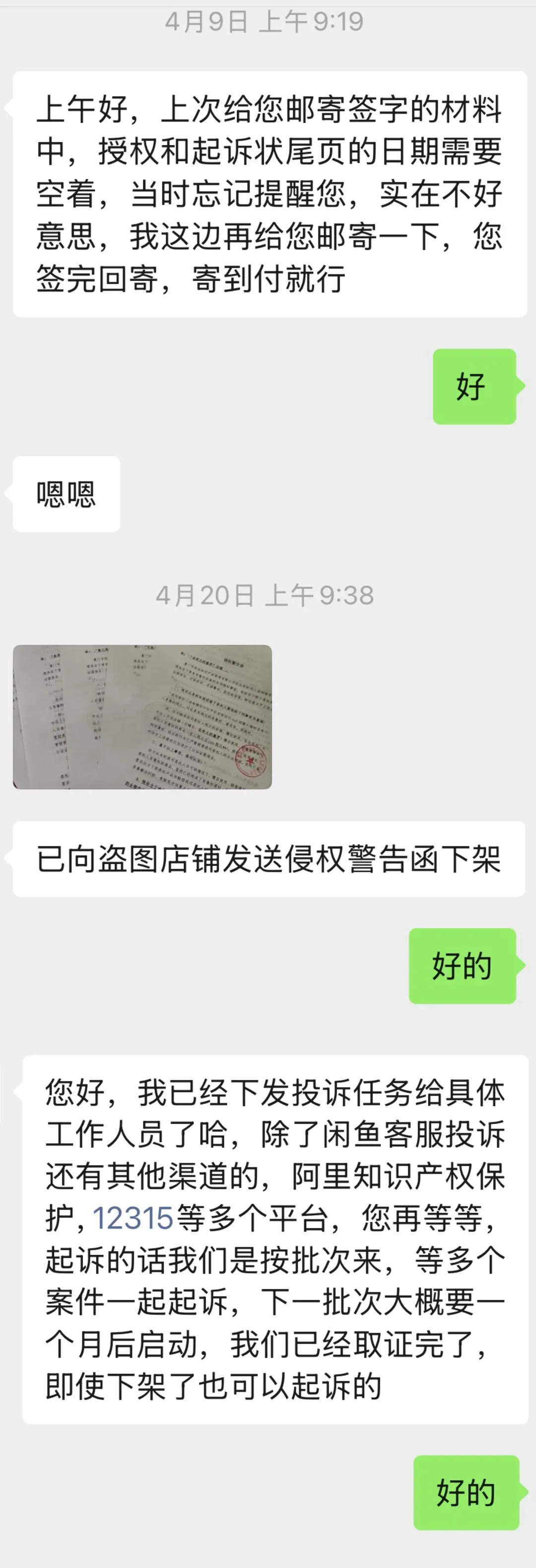
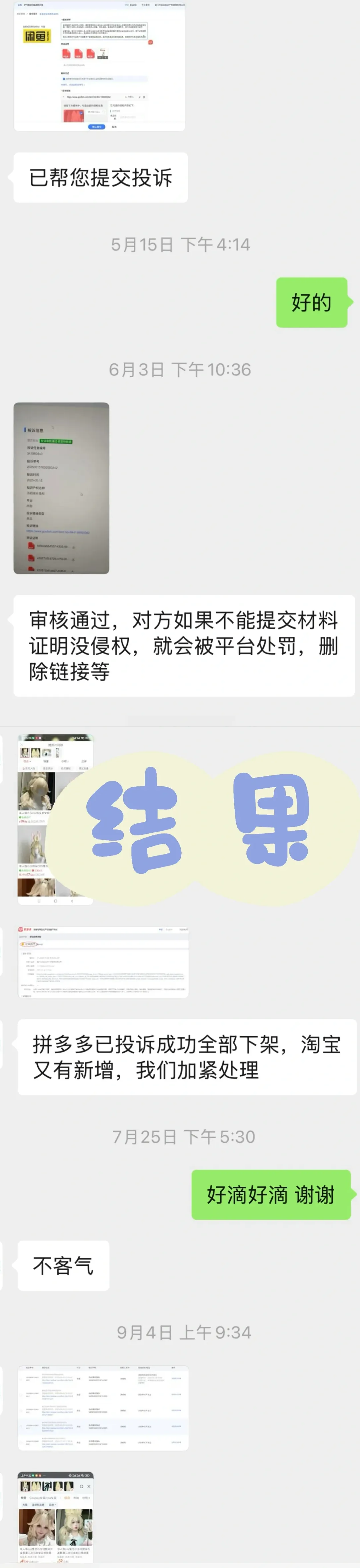
Once formal cooperation began, the agency moved quickly. First, I authorized access to my Xiaohongshu account for evidence collection. Notaries remotely logged into my account to archive cloud evidence of stolen main product images, creating an airtight, legally binding evidence chain. They then sent formal written infringement warning letters demanding immediate product takedowns.
The agency's coverage was impressively broad. Beyond customer support complaints on Xianyu, they submitted links to Alibaba's IP protection platform and filed administrative complaints on the 12315 consumer rights platform. Under multi-channel pressure, several infringing links on Pinduoduo were successfully taken down. Though rights protection felt like whack-a-mole—as new Taobao stores popped up using my photos—the agency continued gathering evidence, planning batched judicial lawsuits. Once evidence is locked, legal liability remains enforceable regardless of link takedowns.
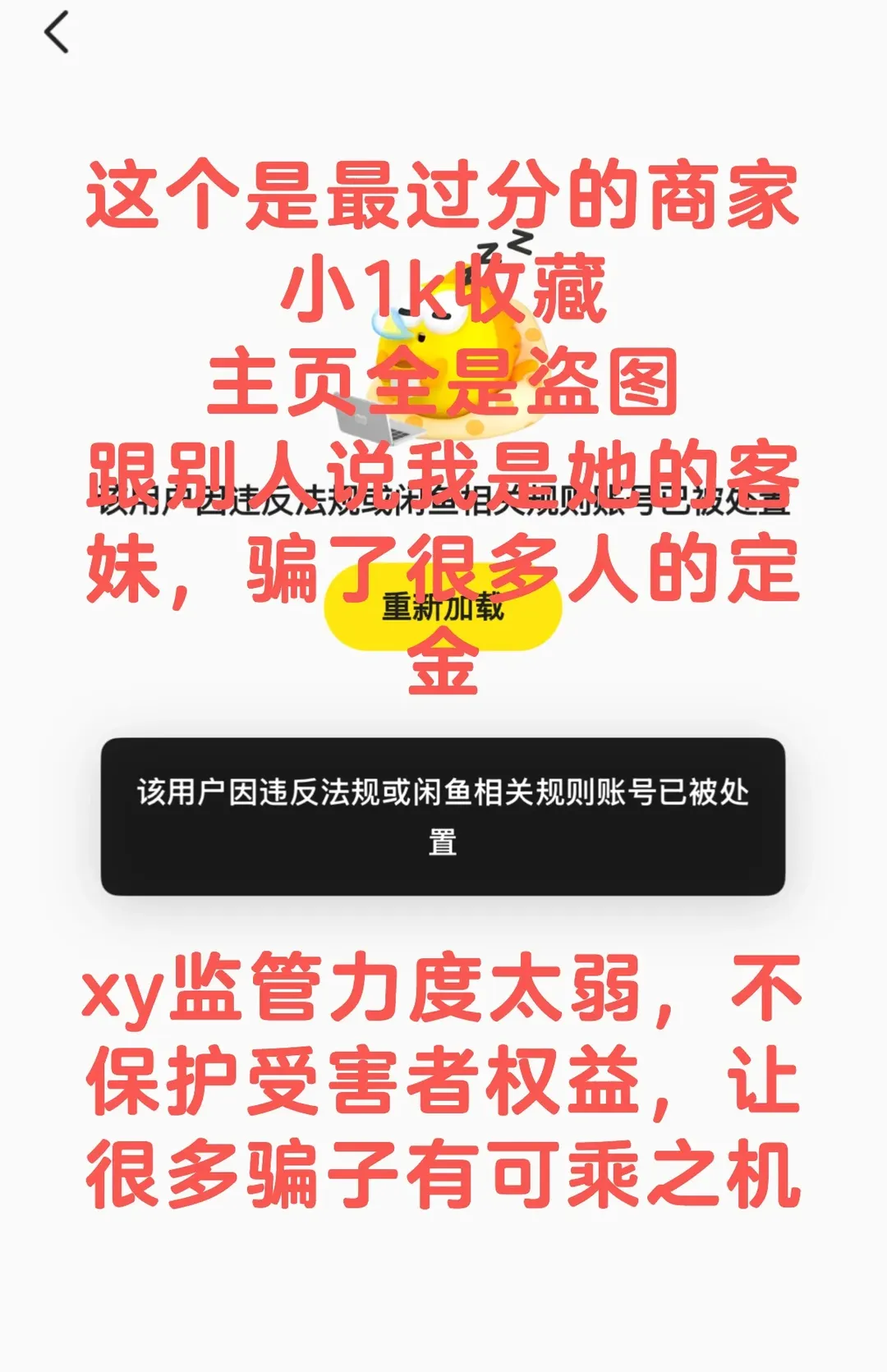
Even more infuriatingly, one merchant went so far as to replace their entire page with stolen cosplay photos, claiming to be the lead photographer or a relative of the Coser to scam trust and deposits. During my enforcement, their Xianyu account was permanently banned for violating community rules. Yet this highlighted severe oversight gaps in second-hand trading platforms regarding Portrait rights protection.
From signing in March and mailing documents in April to platform complaints in May and follow-ups through September, this long battle finally concluded. Although I received no financial compensation due to single-case threshold limits, resolving the image theft felt like a win-win. I saved my personal time while making unscrupulous sellers pay the price.
I want to use my experience to remind fellow creators and photographers: don't fear image theft. Start with platform complaints, and if those fail, consider risk-proxy IP agencies for Cosplay rights protection. Always read agreements carefully to verify zero upfront costs and split ratios. The internet is not beyond the law—every dedicated creator deserves respect.