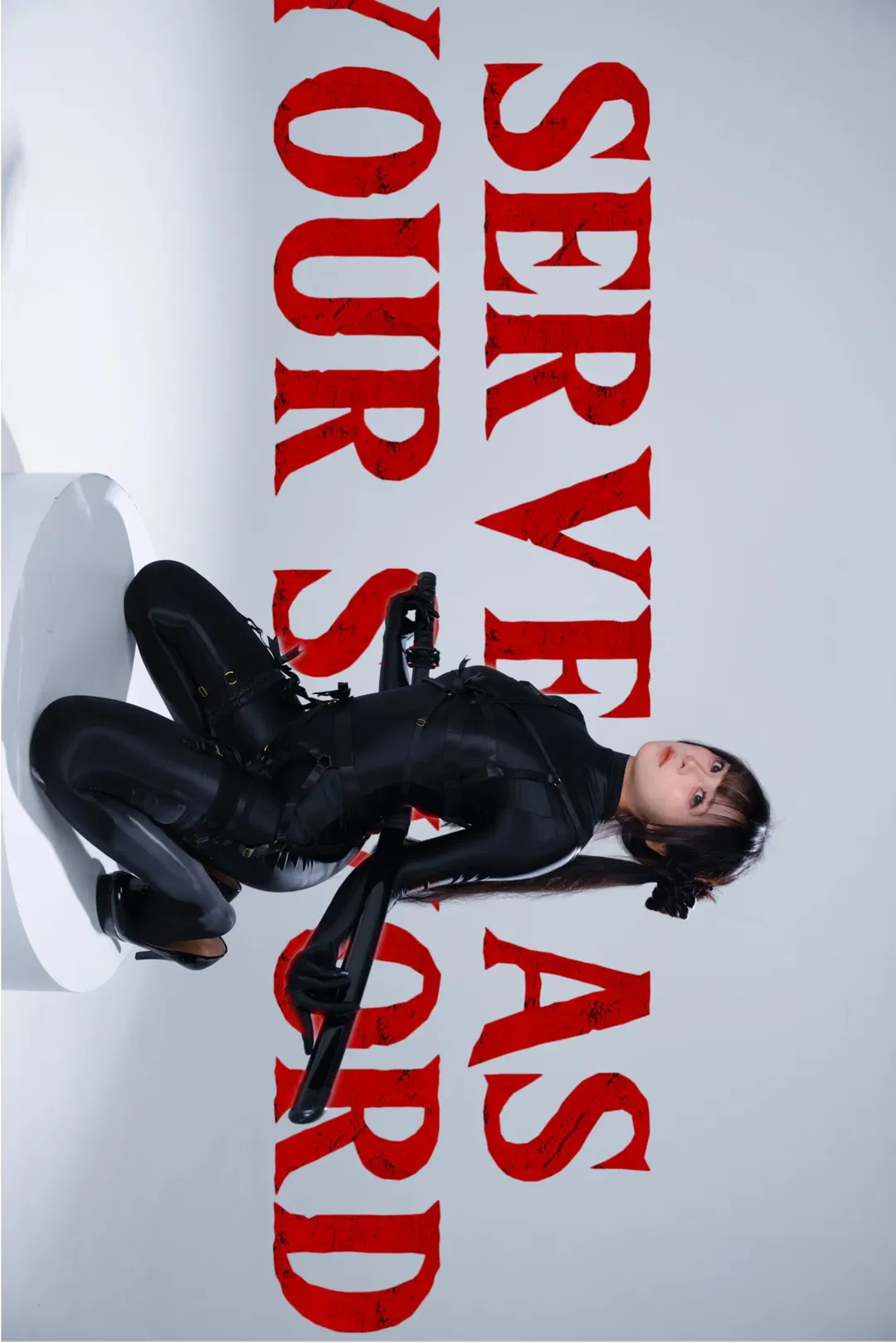
Documenting today's dark-aesthetic photoshoot in a white cyclorama studio feels deeply rewarding, and I mainly want to break down how movement coaching and physical execution synced up.
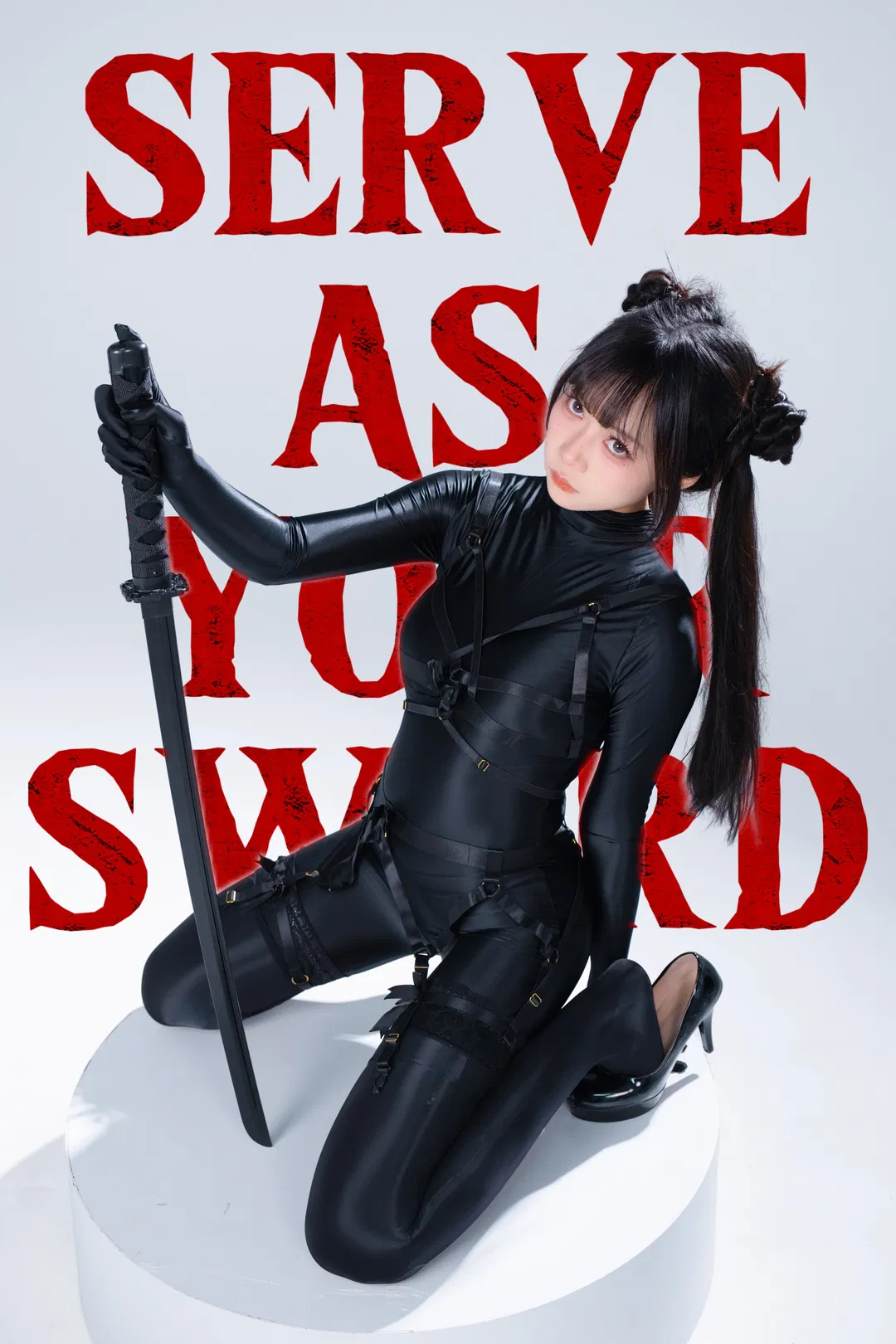
The wardrobe centered on a black strappy bodysuit paired with a long-handled katana prop. Minimalist styling like this lacks intricate costume ornaments, meaning raw bodily tension alone must anchor the entire composition. Slipping into this ensemble instantly tightens your posture due to the firm, compressive fit of the fabric.
Regarding posing guidance: the greatest merit of a white studio is its pristine, neutral lighting without distracting background clutter, focusing the viewer's gaze entirely on bodily silhouettes and chiaroscuro. Therefore, the photographer's cues had to clearly establish the kinetic tension point behind every posture. For instance, handling the katana was never about merely gripping it, but engaging the wrist and forearm muscles to control the blade's precise tilt.
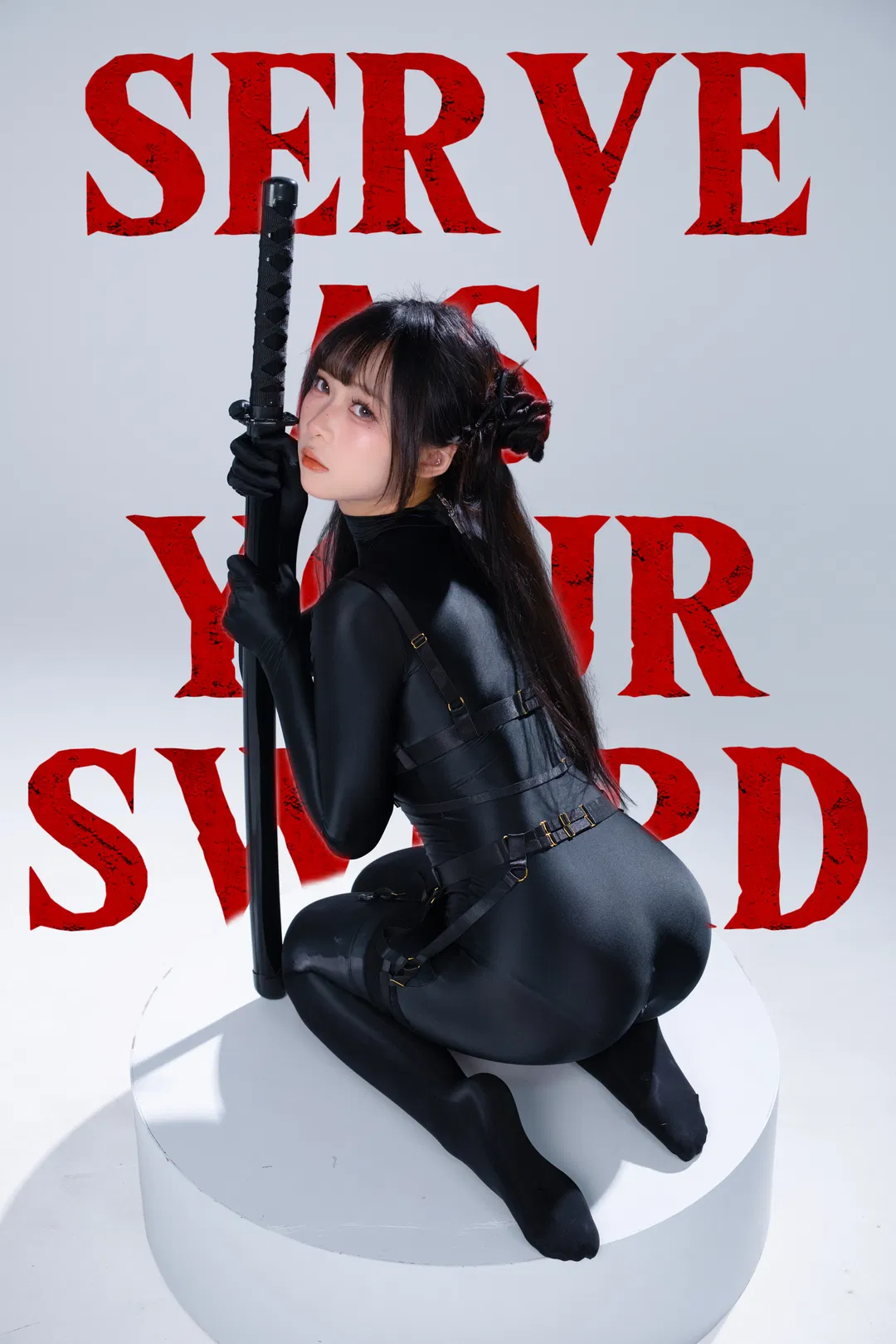
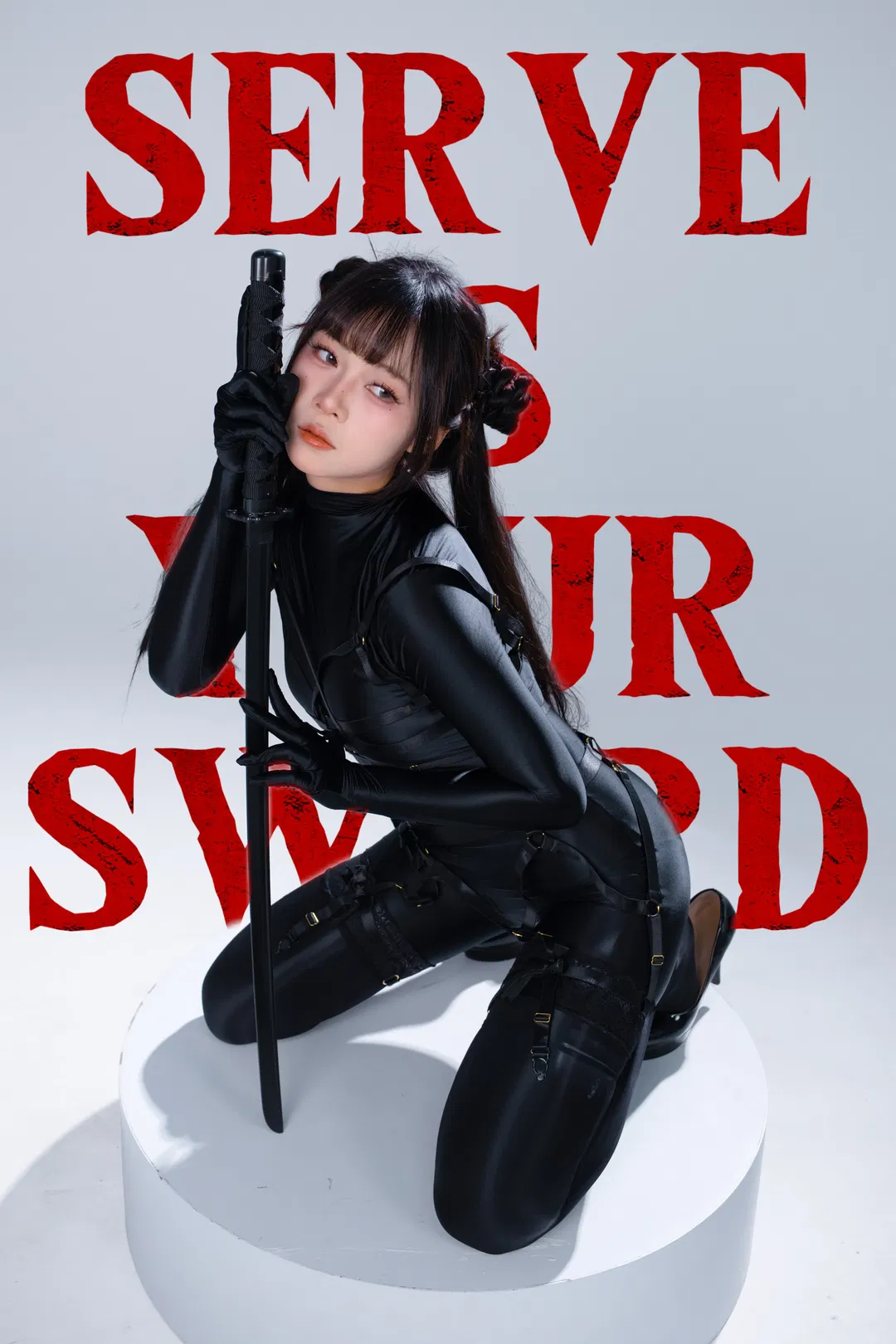
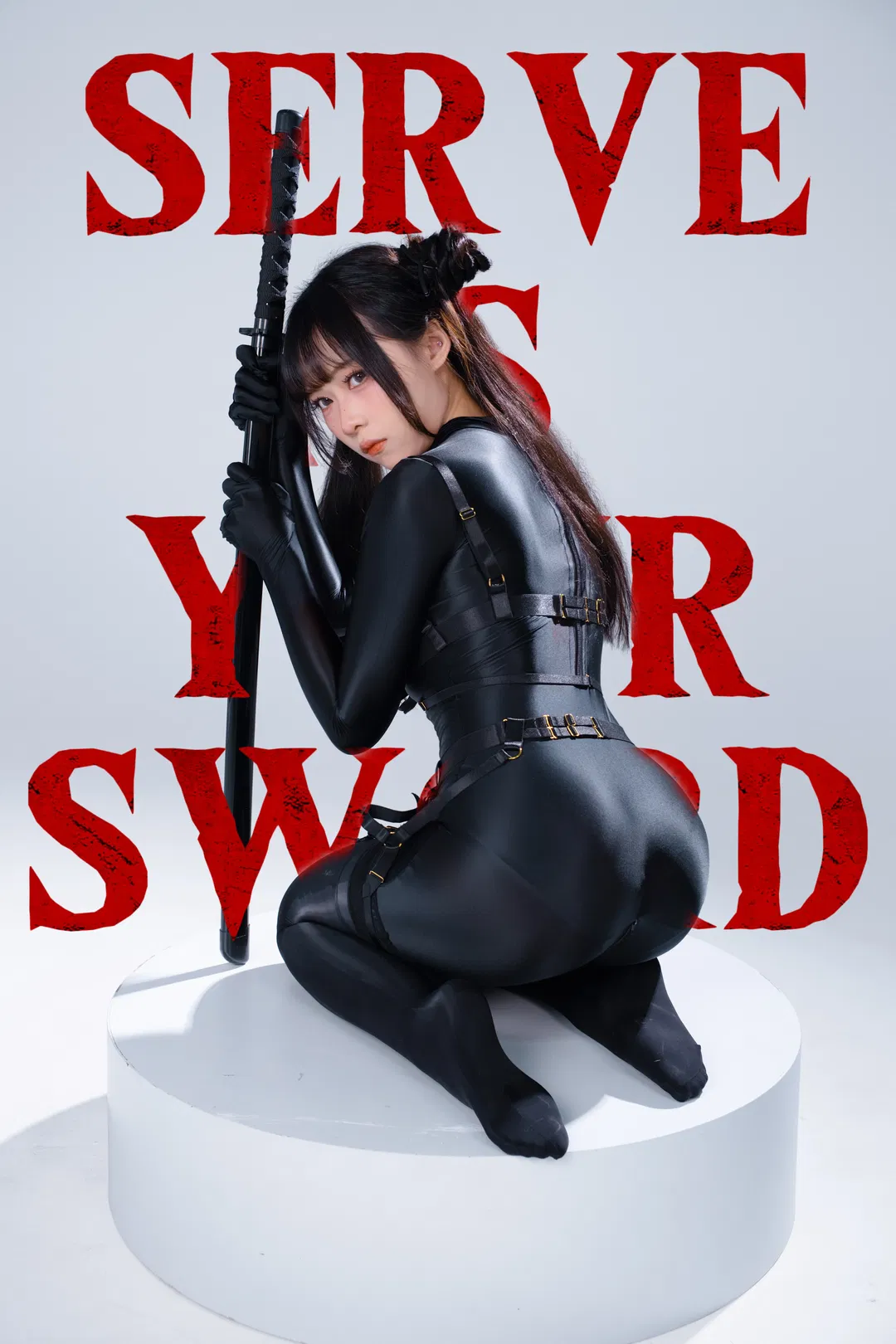
During kneeling stances, your weight must never collapse fully onto the knees, which flattens and stiffens the lines of the thighs and calves. I pulled core tension into my quads and abdominal muscles while keeping the spine elongated and shoulders rolled back. This ensured that whether captured from the front, profile, or back, the spinal curvature remained sleek—hunched posture is the ultimate flaw when wearing skin-tight bodysuits.
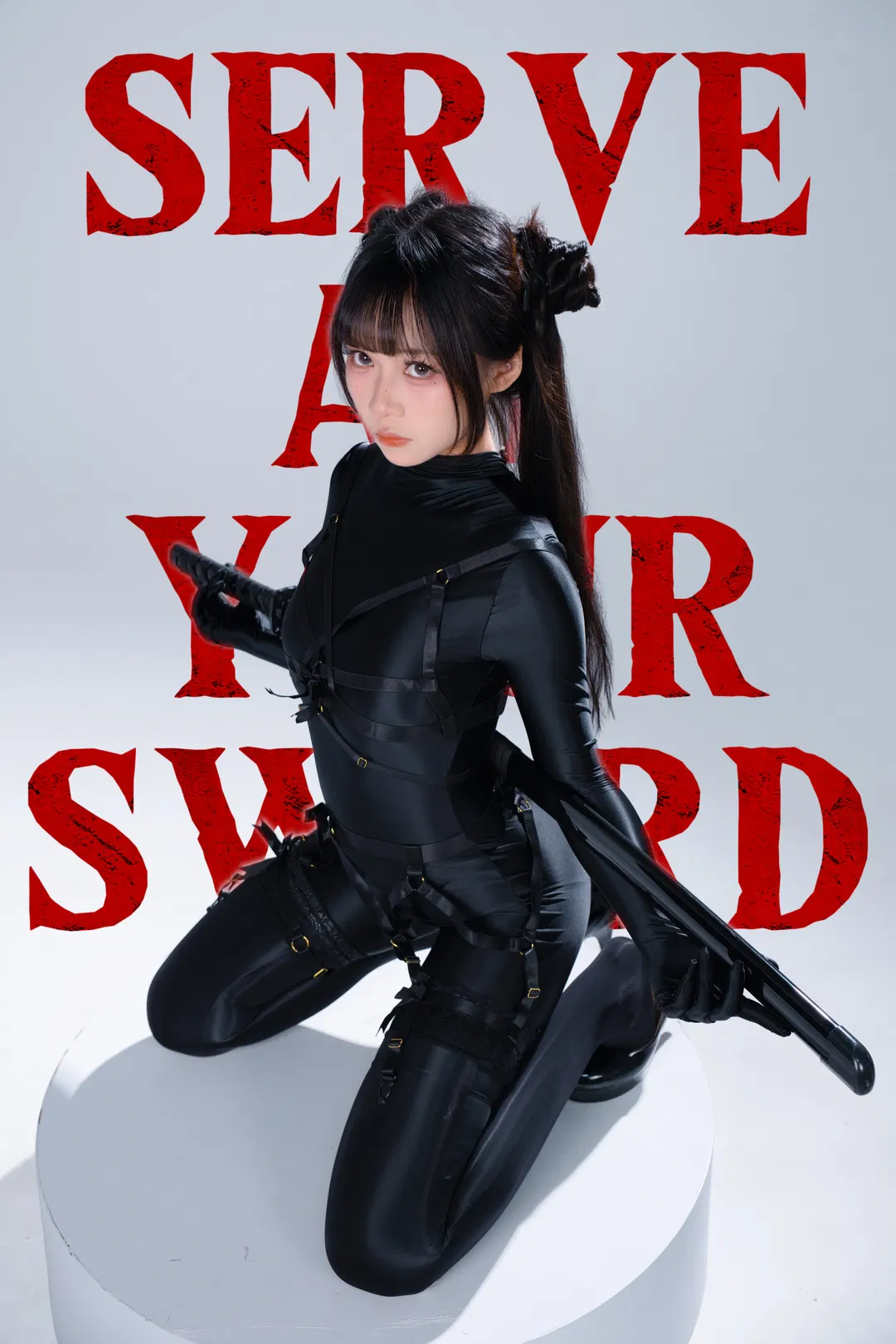
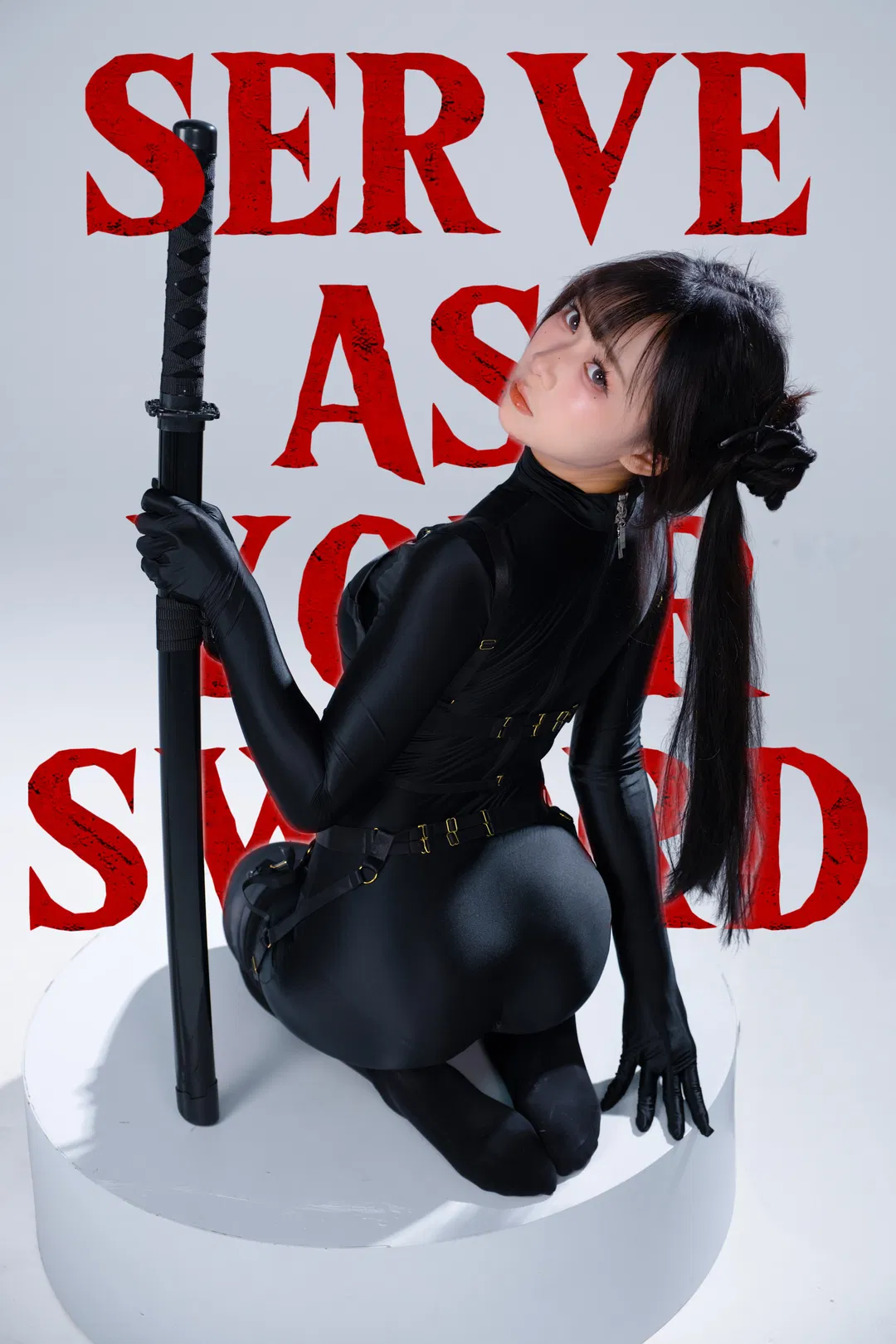
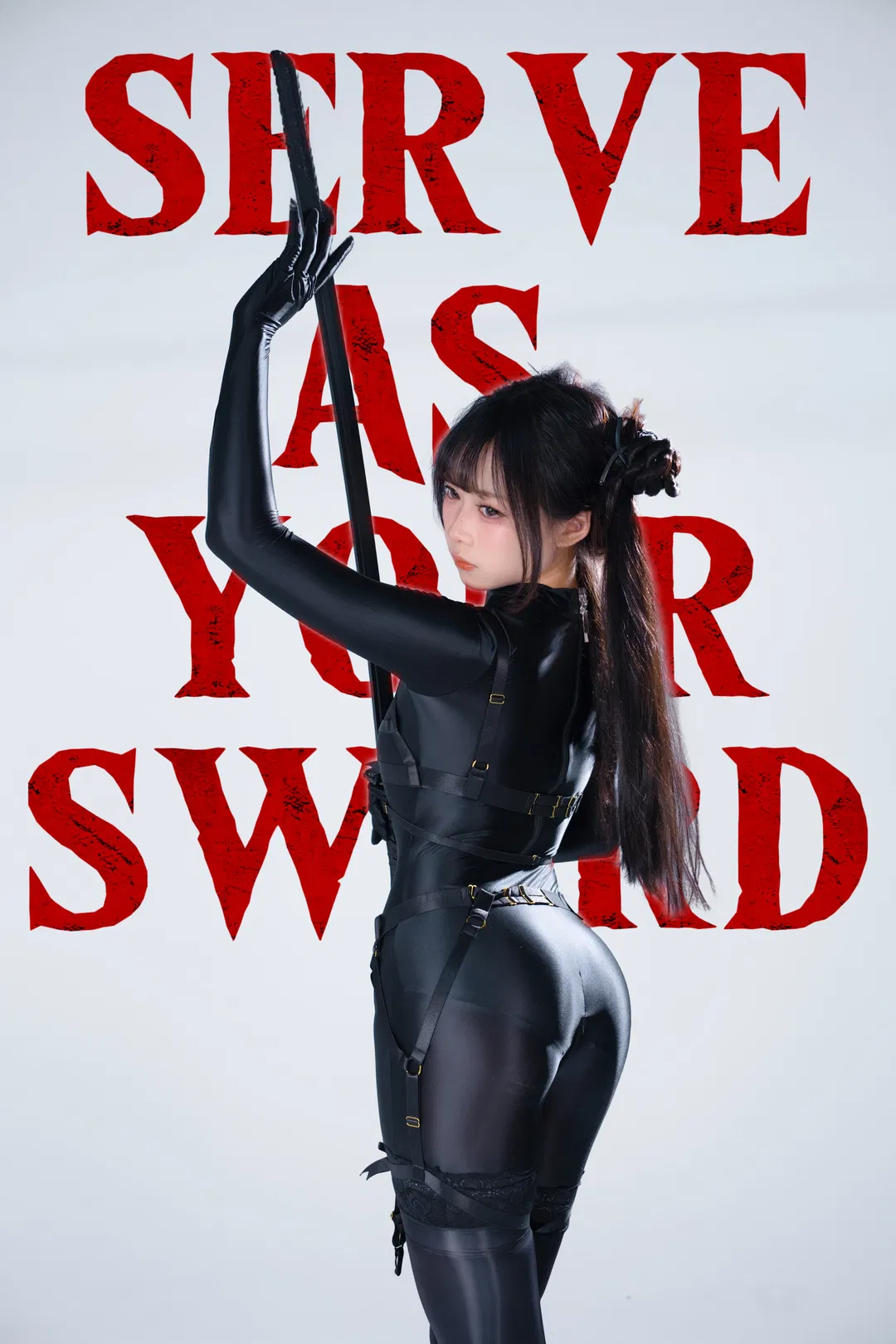
Speaking of the back, the visual impact of the harness straps strictly depended on the amplitude of motion. Remaining rigidly stationary left the straps looking flat and lifeless; twisting the torso, glancing back over the shoulder, or extending arms backward was essential to draw the straps taut over muscular contours.
Discipline over facial expression and eyeline was equally vital. Because this look is cool and austere, smiling was off the table. The photographer had me channel a detached yet predatory edge. For the upward glance looking over the shoulder, the gaze was directed from below, with a slightly tucked chin and half-lidded eyes, visually elongating the neck line.
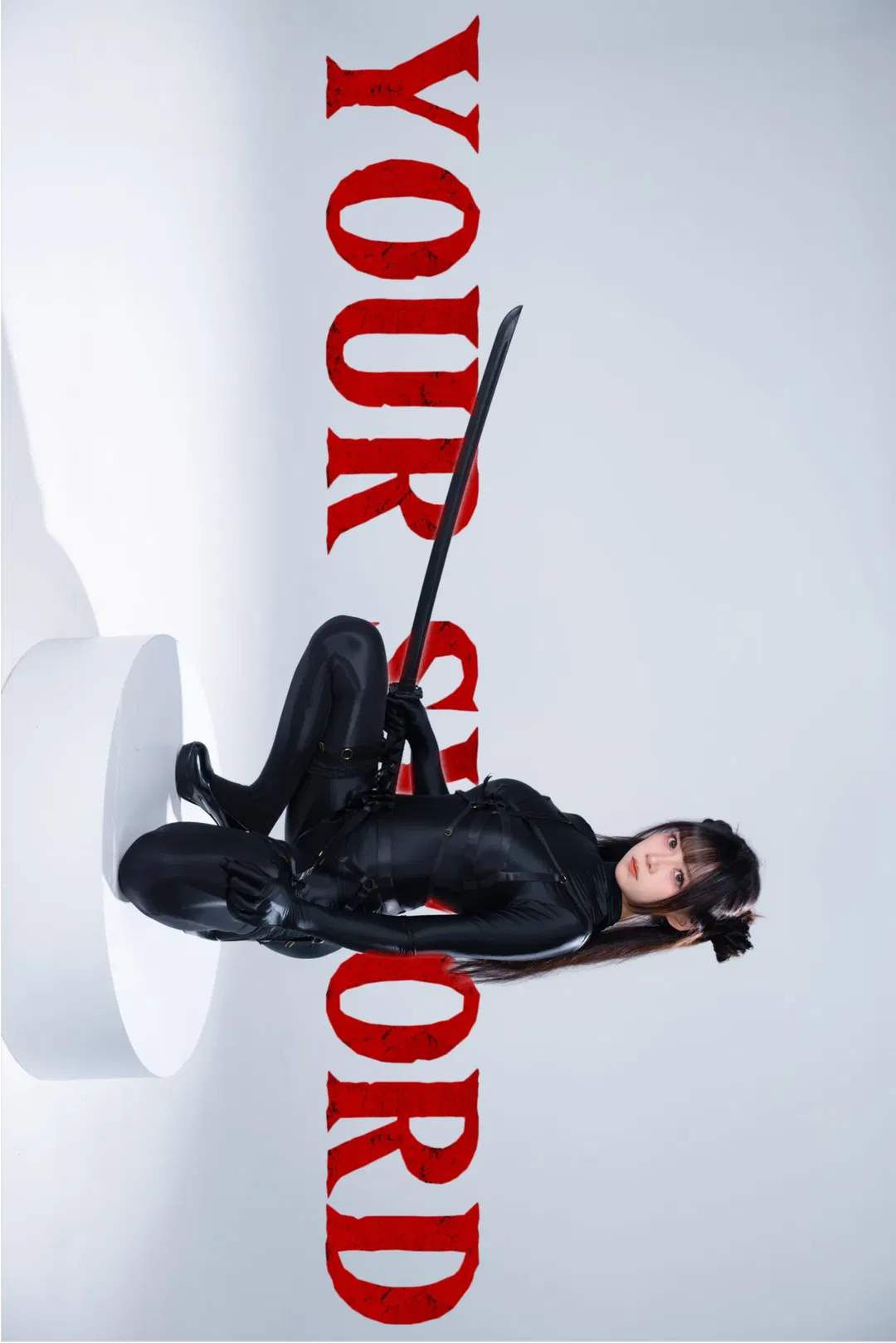
Coordinating with the katana was another major technical hurdle. The blade is quite long, and holding it flat across the chest makes it look clunky. I intentionally aligned the katana to create geometric intersections with my body—such as angling it diagonally behind my shoulder or resting it vertically against the floor. In reclining poses, letting the blade run parallel or diagonally across the body instantly unlocked profound spatial depth.
This collection should be especially helpful for gesture drawing and sketch artists, as I consciously prioritized clear kinetic action lines. From initial wind-up to pivot points and line extensions, every joint angle was articulated with distinct clarity rather than ambiguous transitions, making contours intuitive to capture on paper. Whether gripping the blade or clasping hands behind my back, the angular opposition between shoulders and hips anchored the dynamic energy.
Balancing high heels and strappy bands during kneeling poses was physically taxing on the ankles, prompting me to constantly calibrate the distance between grounded knees and pointed toes. Between takes, I shifted weight across the white posing block to keep muscles from seizing up.
The photographer gave generous room for trial and error throughout the session, breaking down each kneeling pose from scratch to layer props and tweak angles step by step. Image quality ultimately hinged on how uncompromising both of us were regarding micro-adjustments. Refusing to settle on form, combined with decisive shutter timing, brought our creative vision to life.