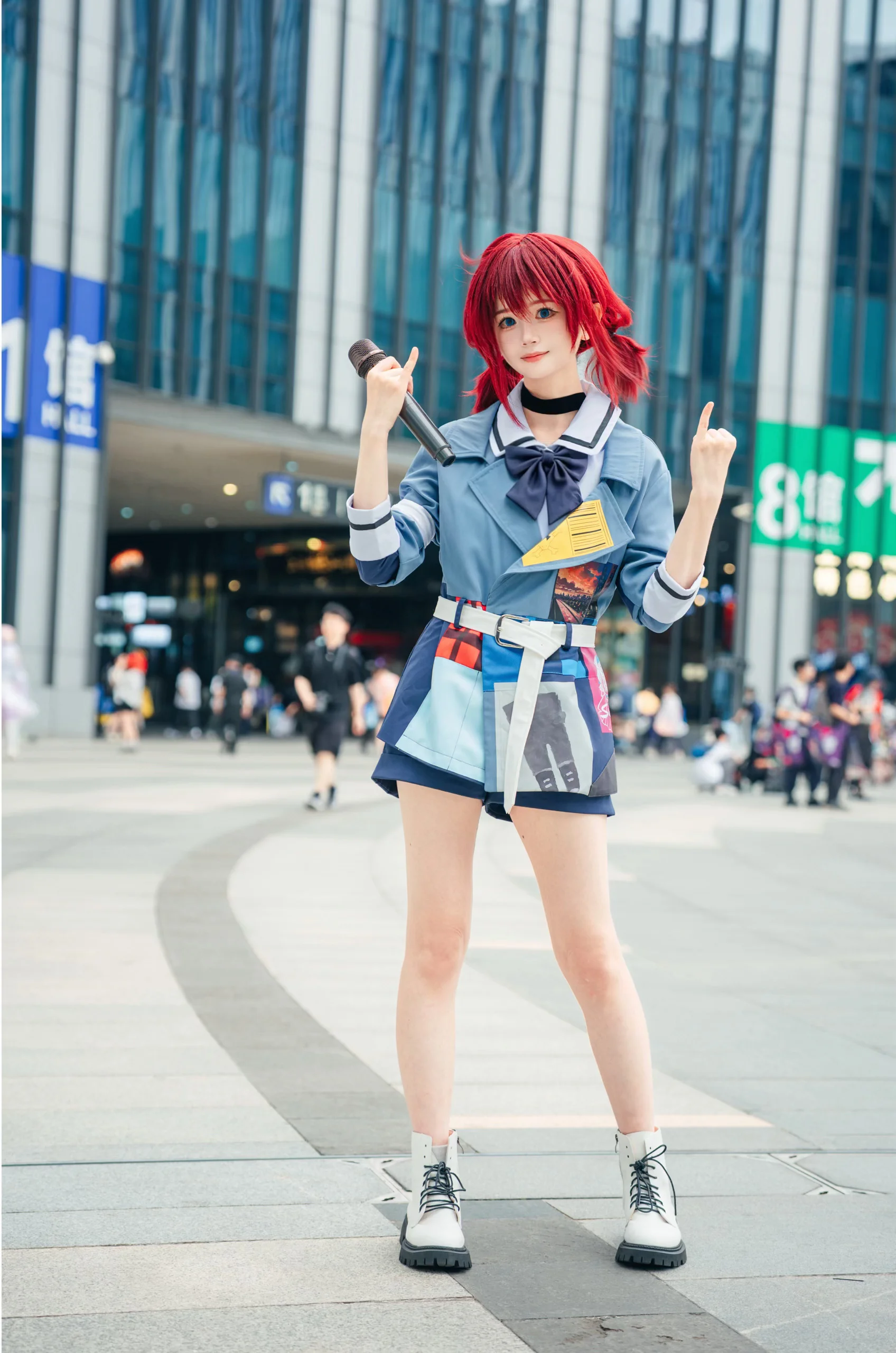
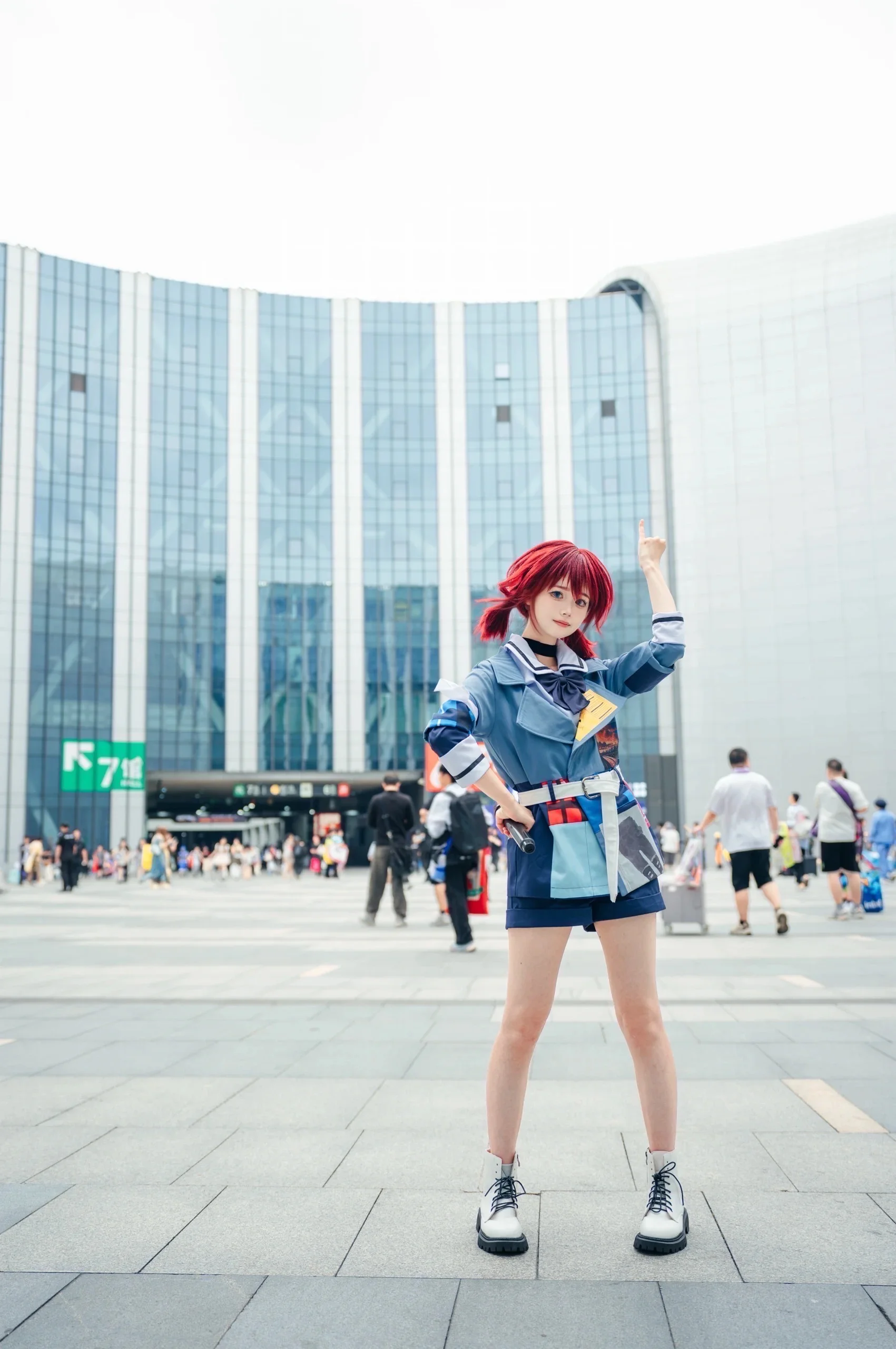
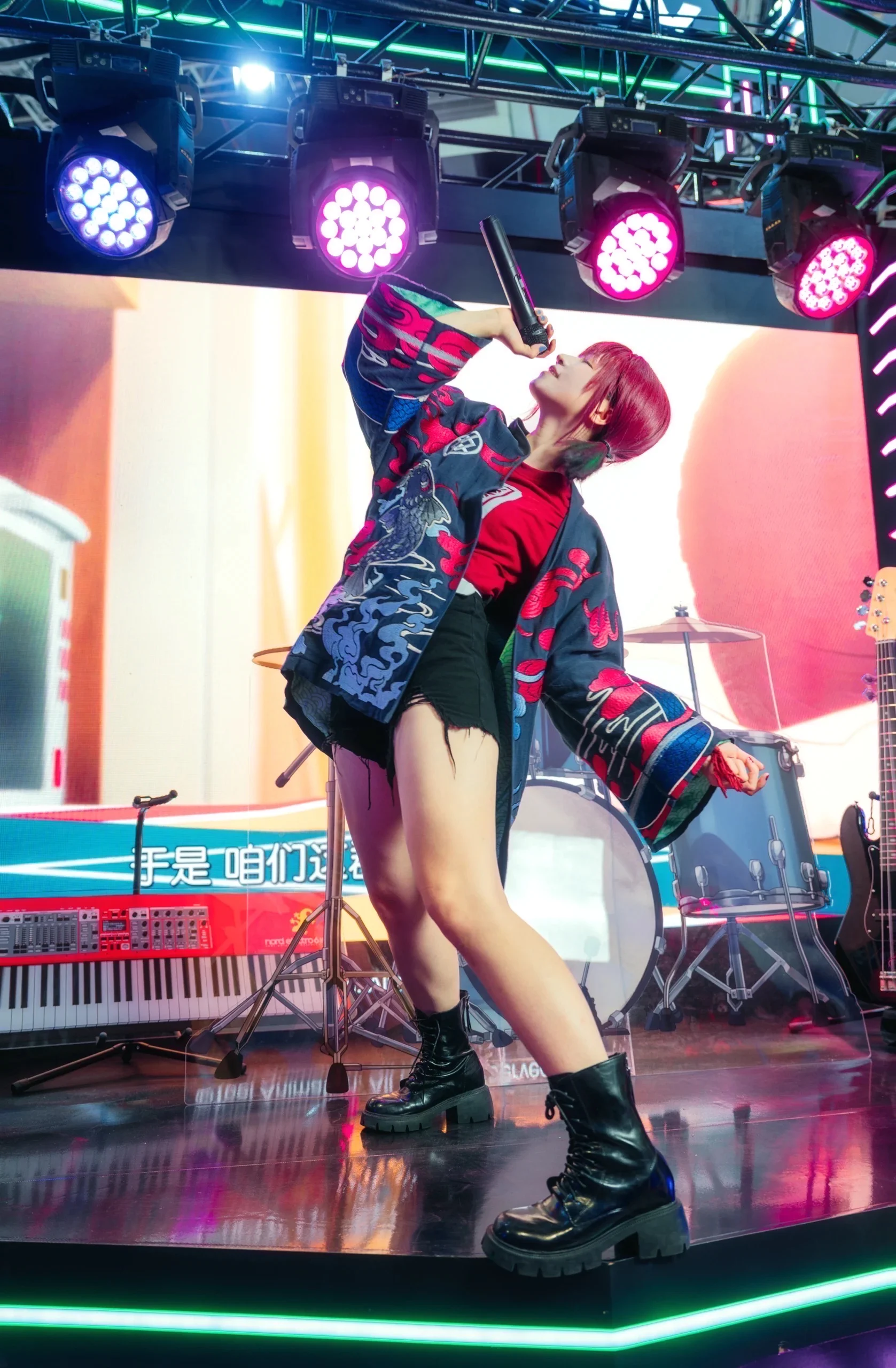
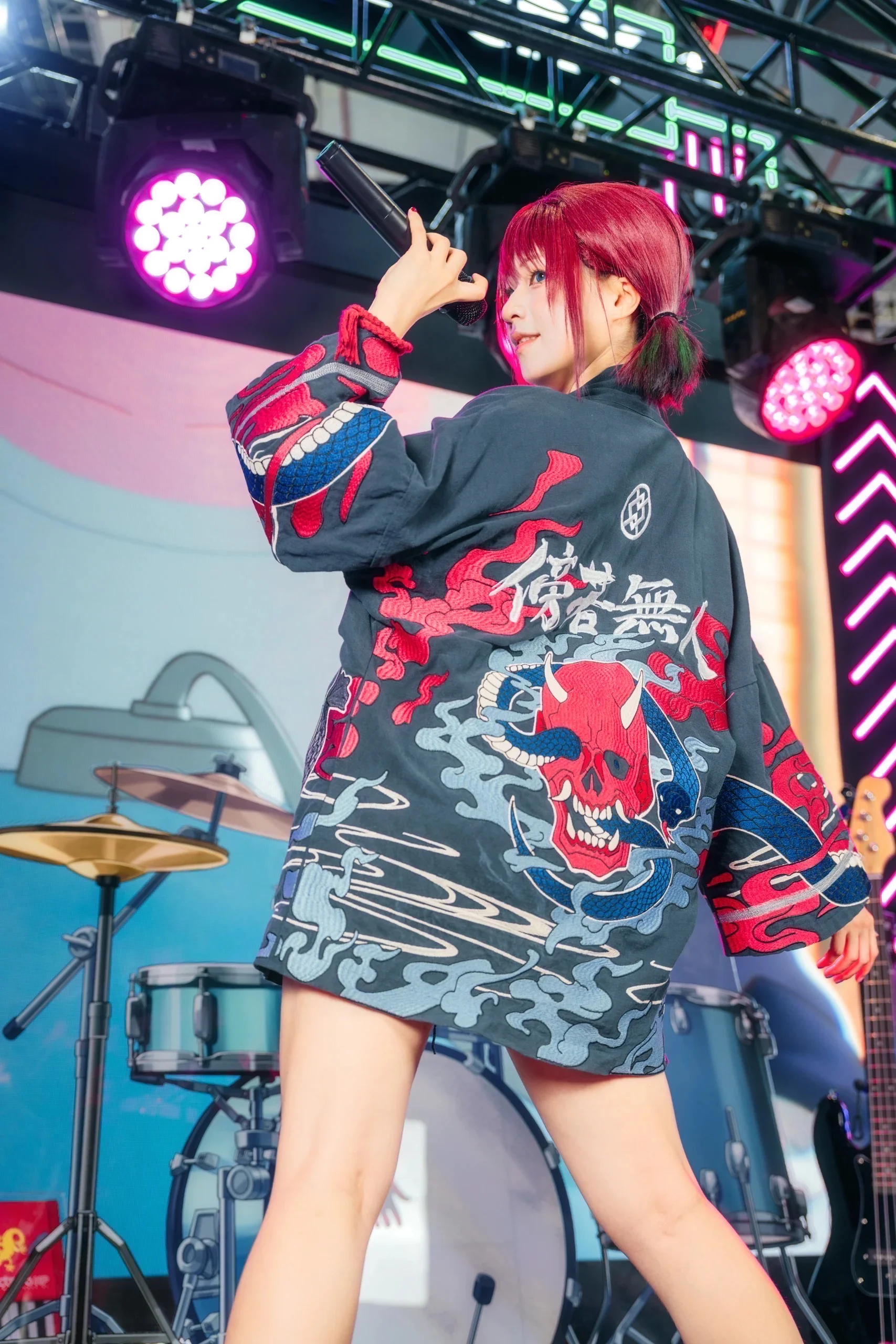
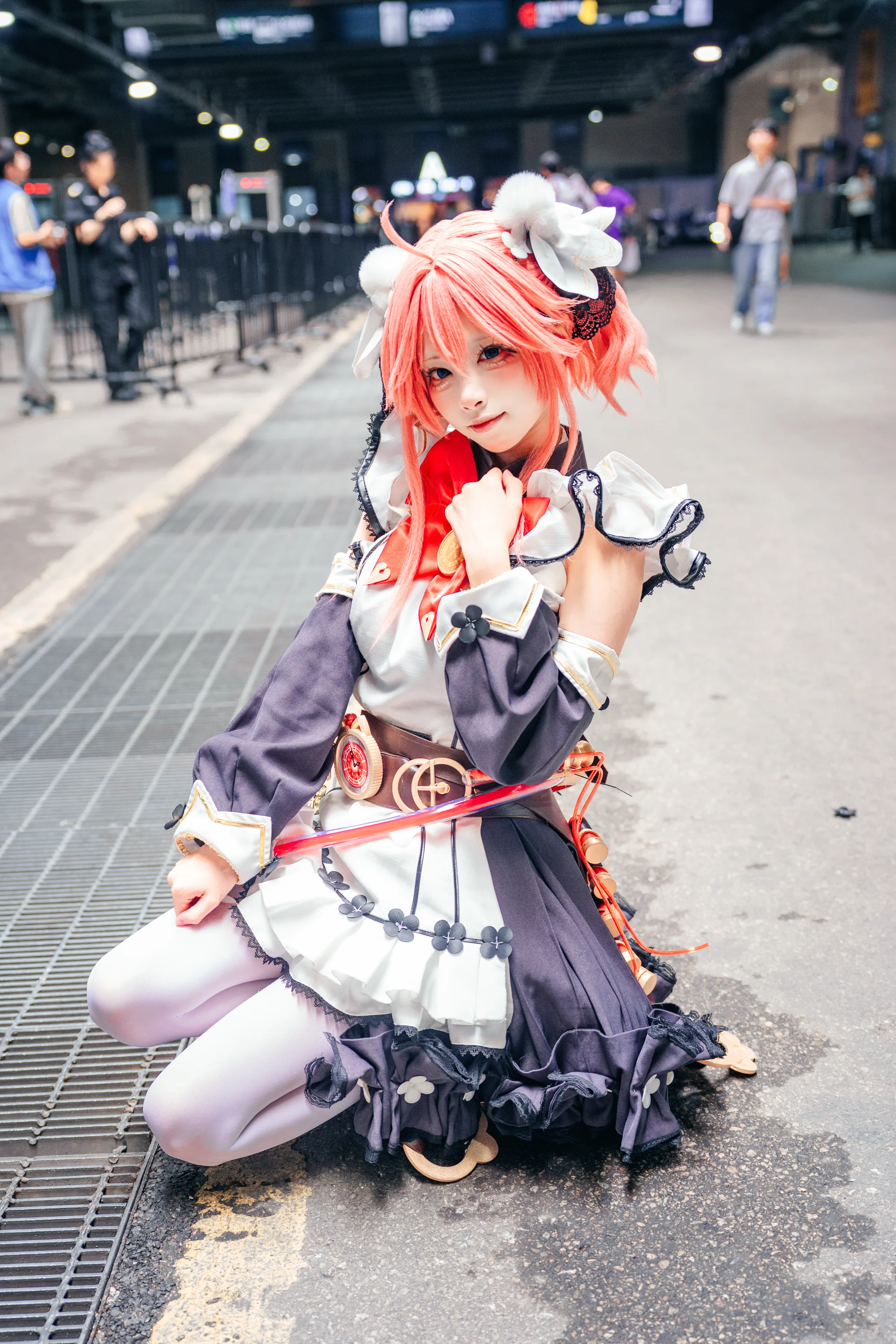
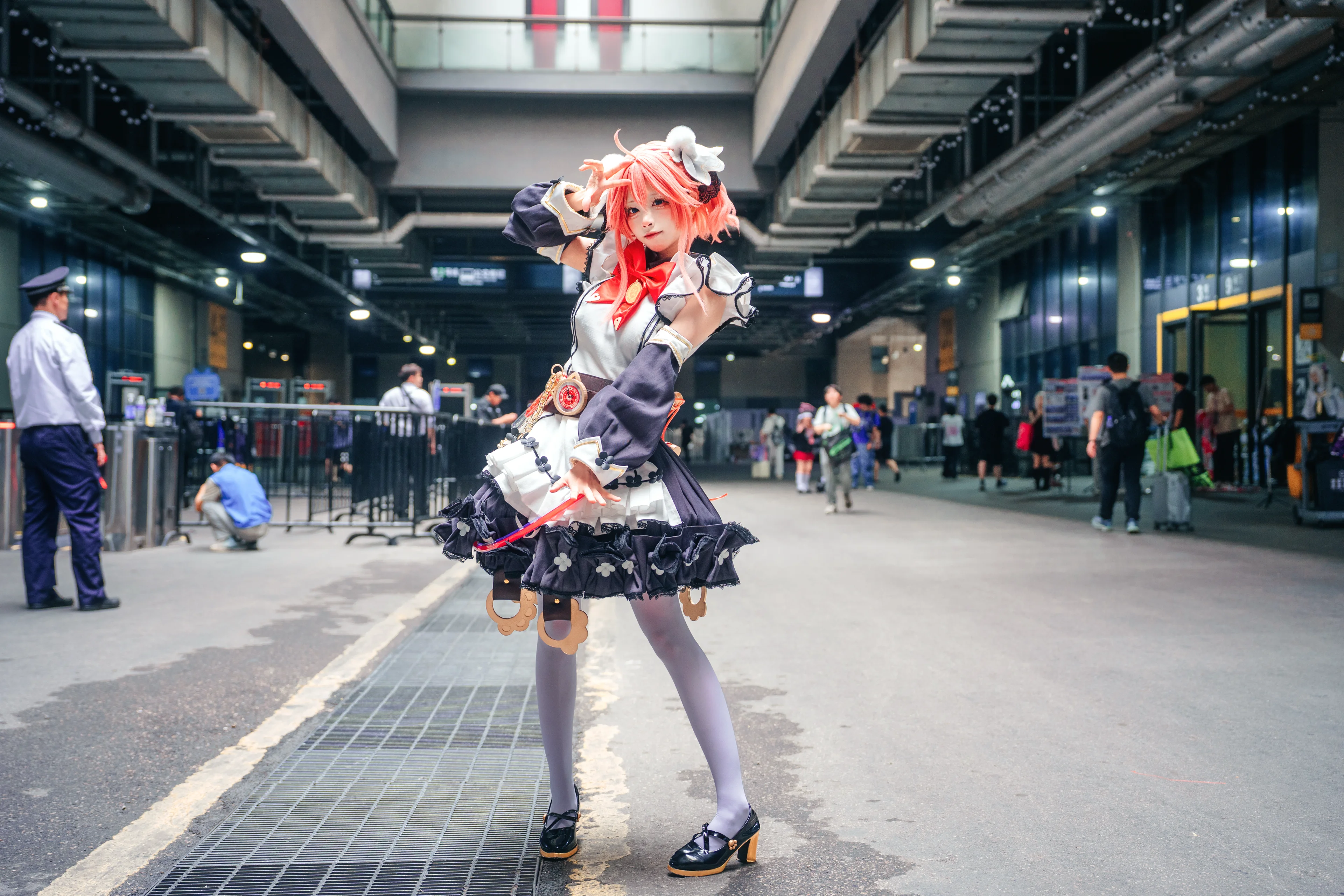
This trip to BilibiliWorld 2026 was the most hardcore experience I've had in recent years. With a typhoon bringing wind and rain, it was dripping wet outside the venue, and strong gusts blew many cosplayers' wigs all over the place. Under such weather conditions, the difficulty of taking a great photo spiked dramatically. Considering the environment and weight load, I chose a minimalist setup of one camera and one lens this time—specifically, the Sony A7M5 paired with 24-70mm GM II photography setup mentioned in the post.
First, let's talk about equipment. At a convention where you need to walk high-intensity for a whole day, carrying an extra lens feels like torture. In the past, I used to bring several prime lenses just to pursue maximum bokeh, but changing lenses frequently amidst crowded crowds made it way too easy to miss fleeting moments of interaction. This time, the standard zoom lens—the 24-70mm GM II—was a huge help. Hanging it on my body all day significantly reduced the physical strain.
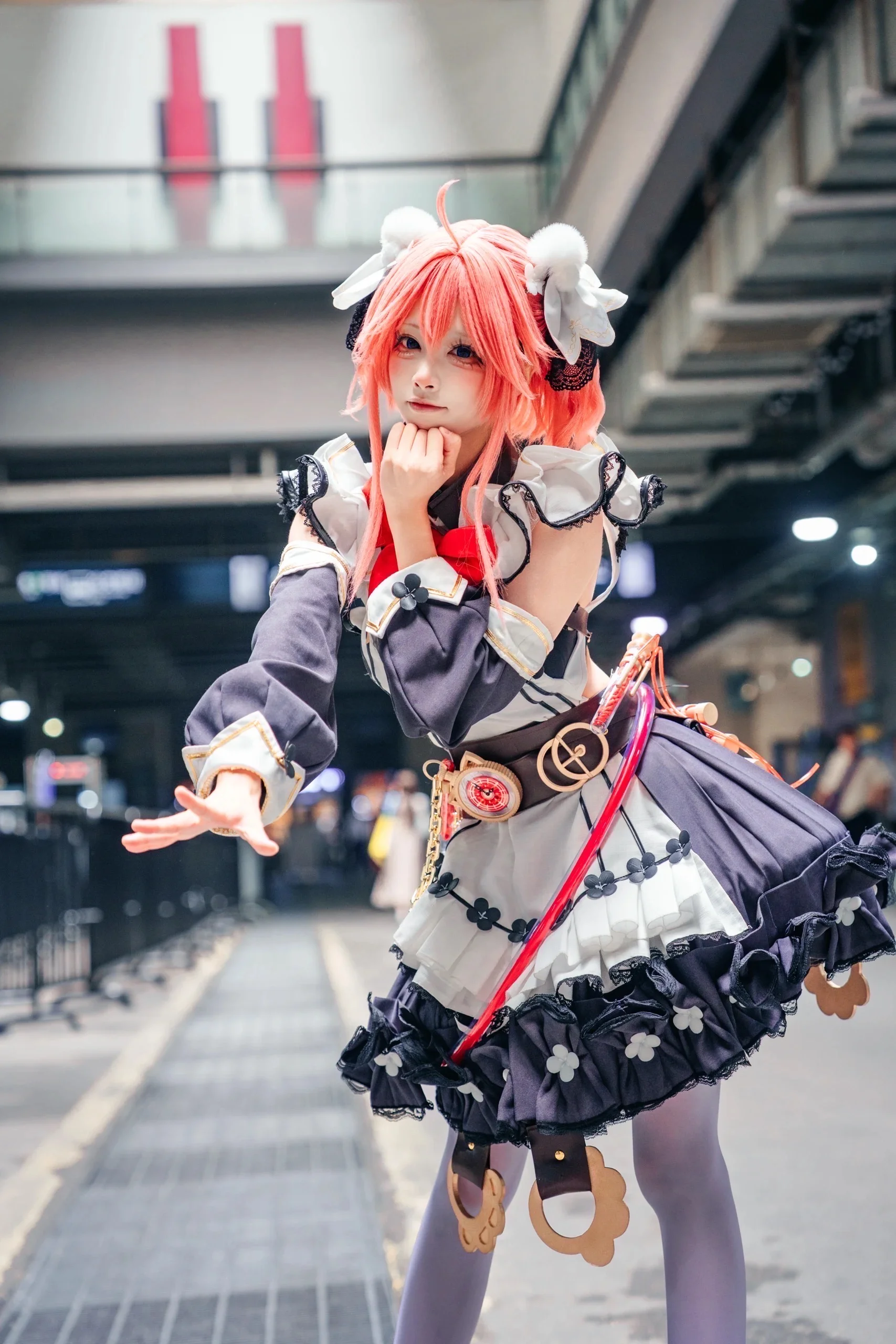
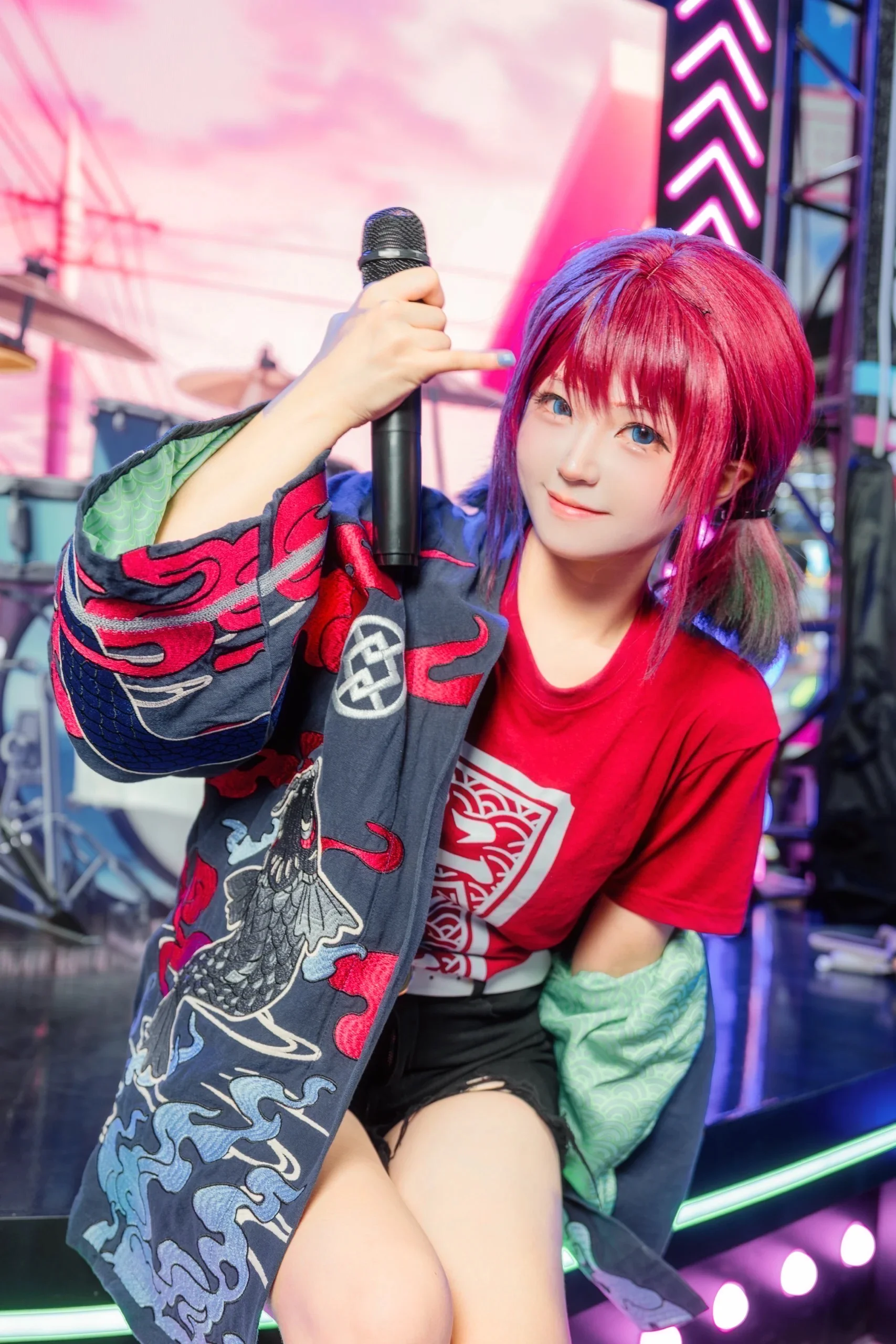
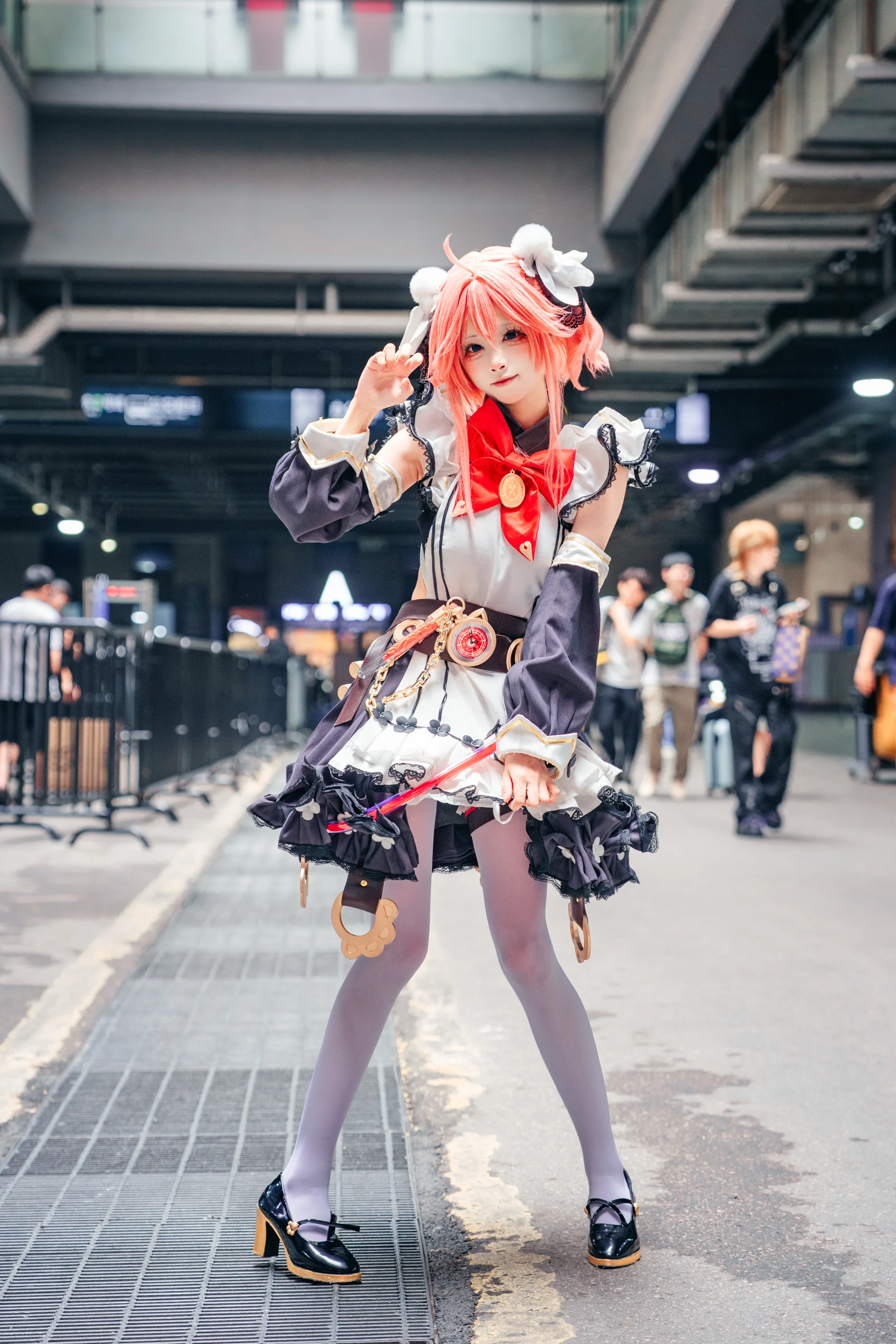
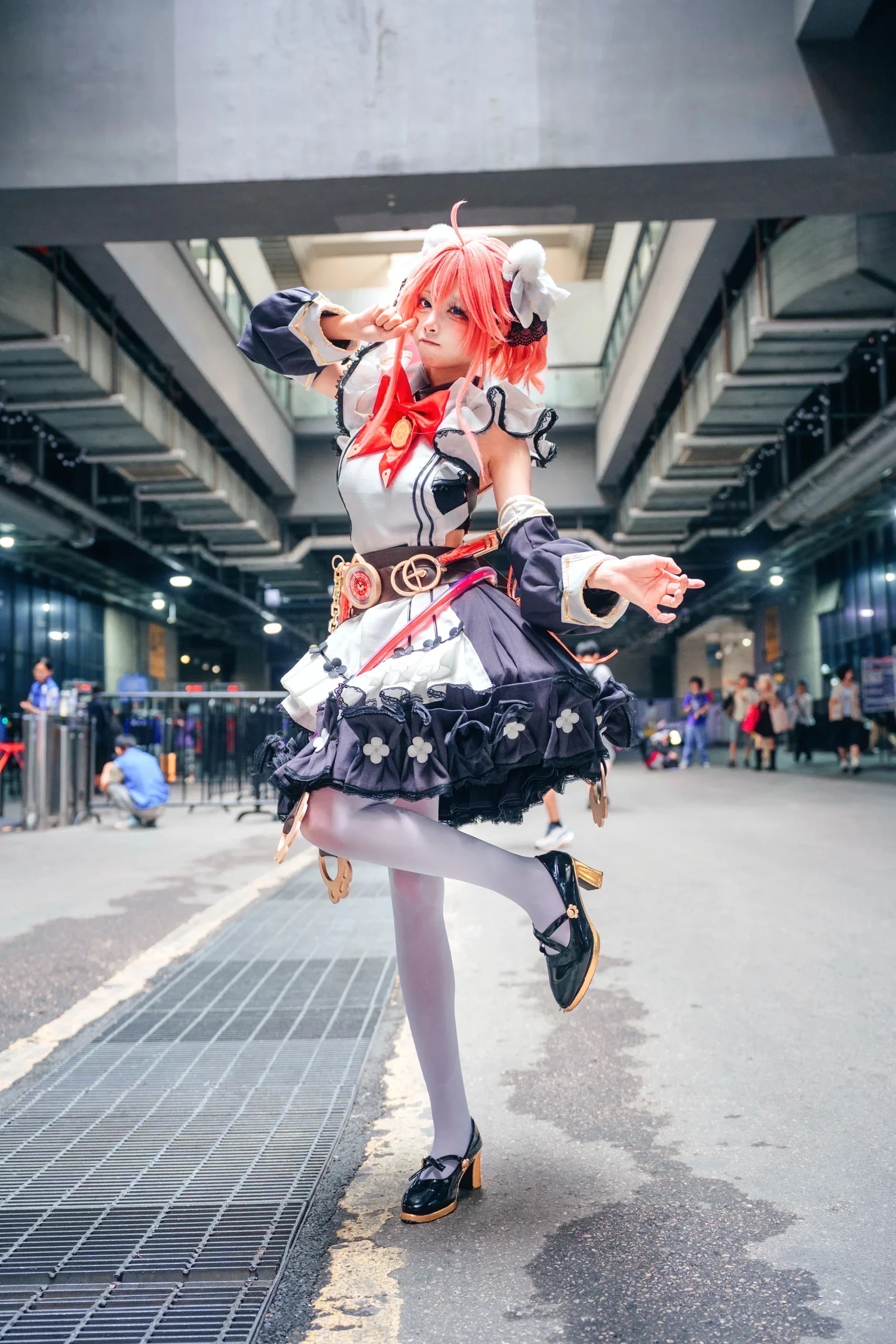
Focusing on the shooting experience, the large aperture of the lens is extremely practical in crowded convention settings. Whether in the open plaza outside or narrow aisles inside, the powerful bokeh from the lens quickly filtered out cluttered backgrounds, softening all the tourists on the edges and highlighting the cosplayer in the center of the frame. Just like the pose in Figure 1 with extended limb movements, the large aperture locked visual focus straight onto the subject.
Convention scenes are notoriously famous for complex lighting; colorful booth lights inside and overhead lights in aisles with extreme light-dark contrast can easily make image textures look mediocre. The high dynamic range used this time was truly satisfying during post-processing reviews. Even in backlit scenes or under direct spotlights, details in highlights and shadows could be clearly recovered. Skin texture and fabric weaves were preserved nicely, and color accuracy saved a lot of hassle during editing.
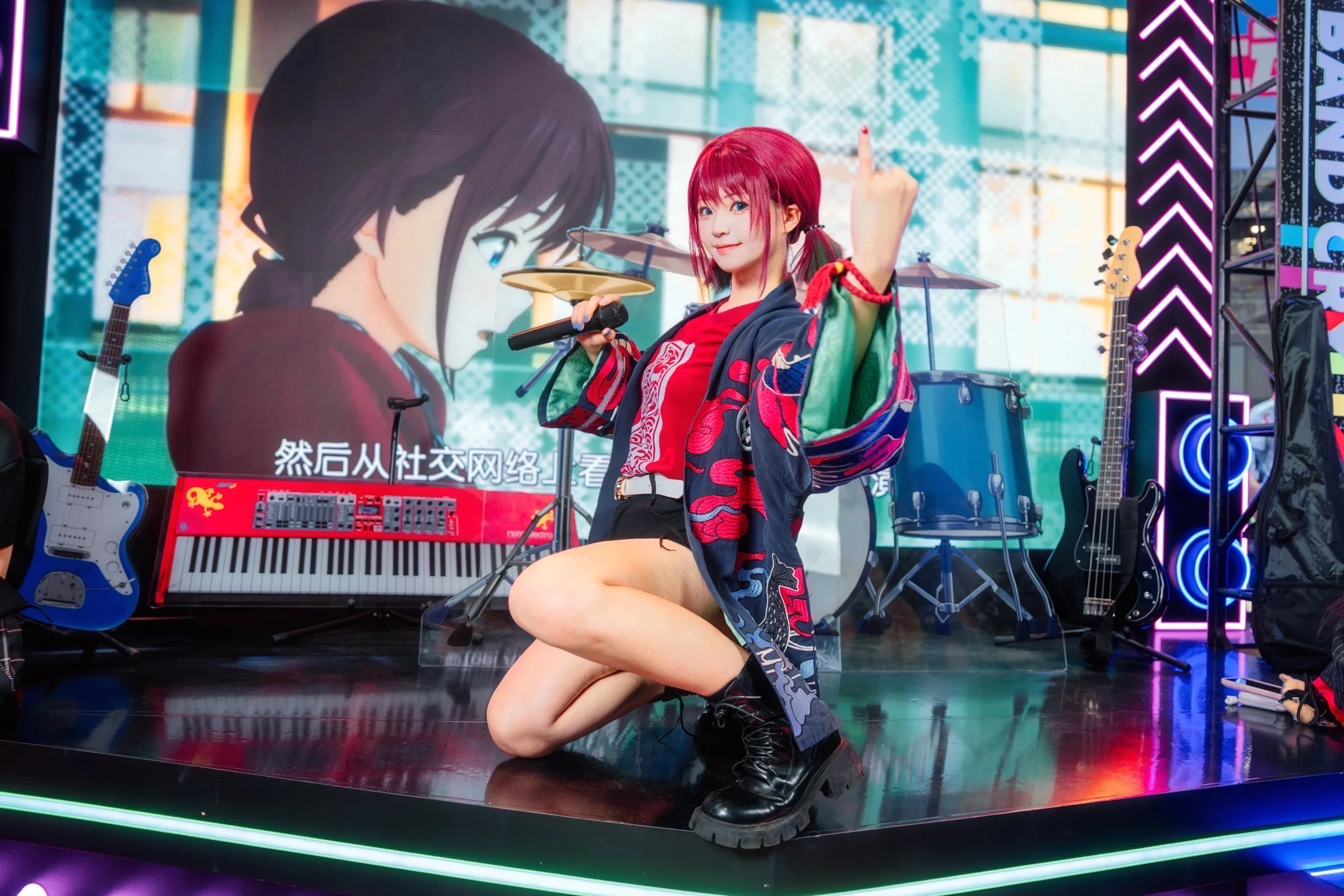
I particularly want to praise its autofocus system. This time, I photographed many cosplayers with larger movements, such as swinging a microphone and pointing at the sky in Figures 5 and 6, or the forward-extending arm posture in Figure 1. Under complex backgrounds and rapid movement, the camera's Eye AF locked onto the subject's face and eyes tightly. Whether the cosplayer turned around, raised an arm, or ran, every frame captured in burst shooting was crisp. For Convention photography, stable and fast autofocus is the ultimate guarantee for hit rate.
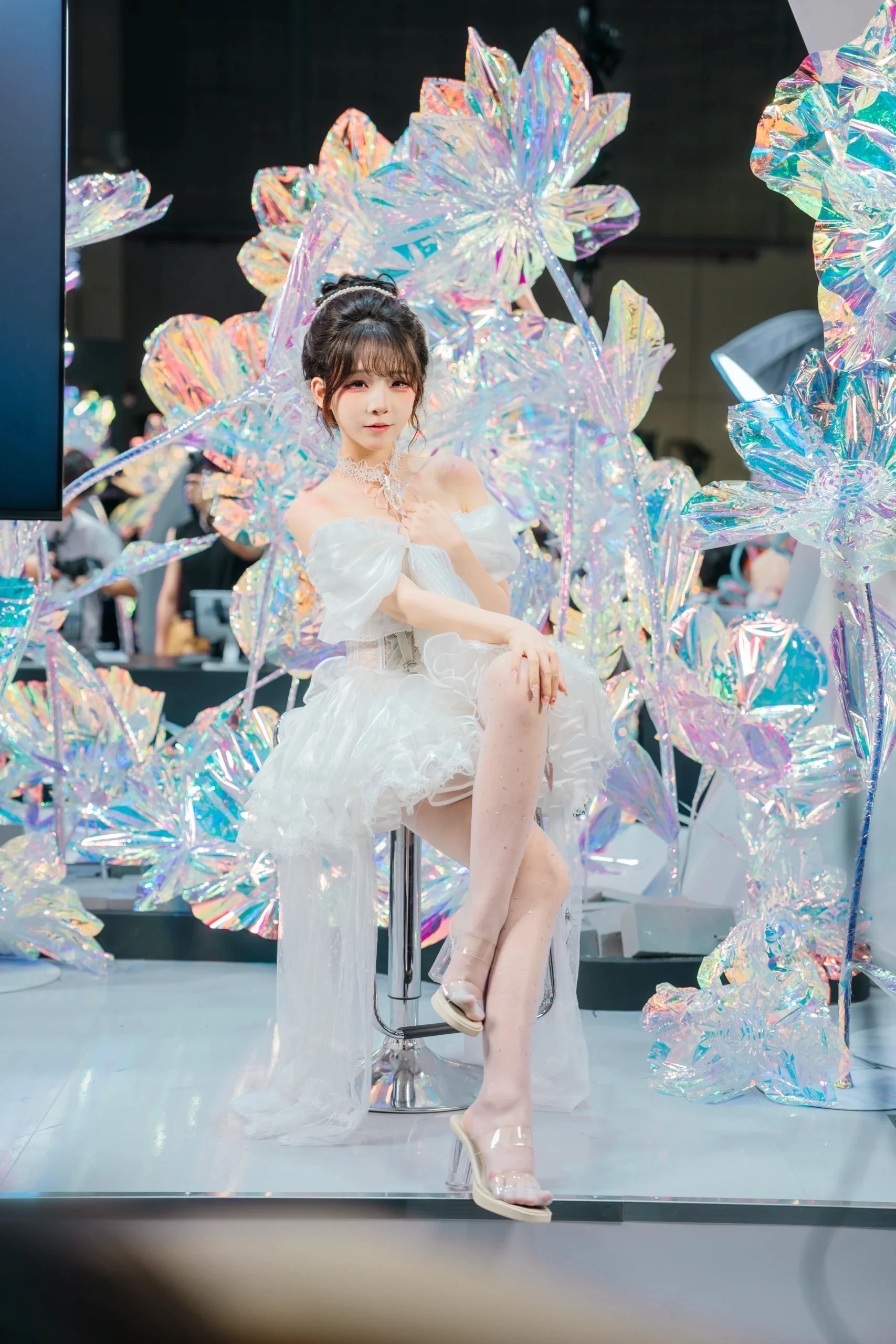
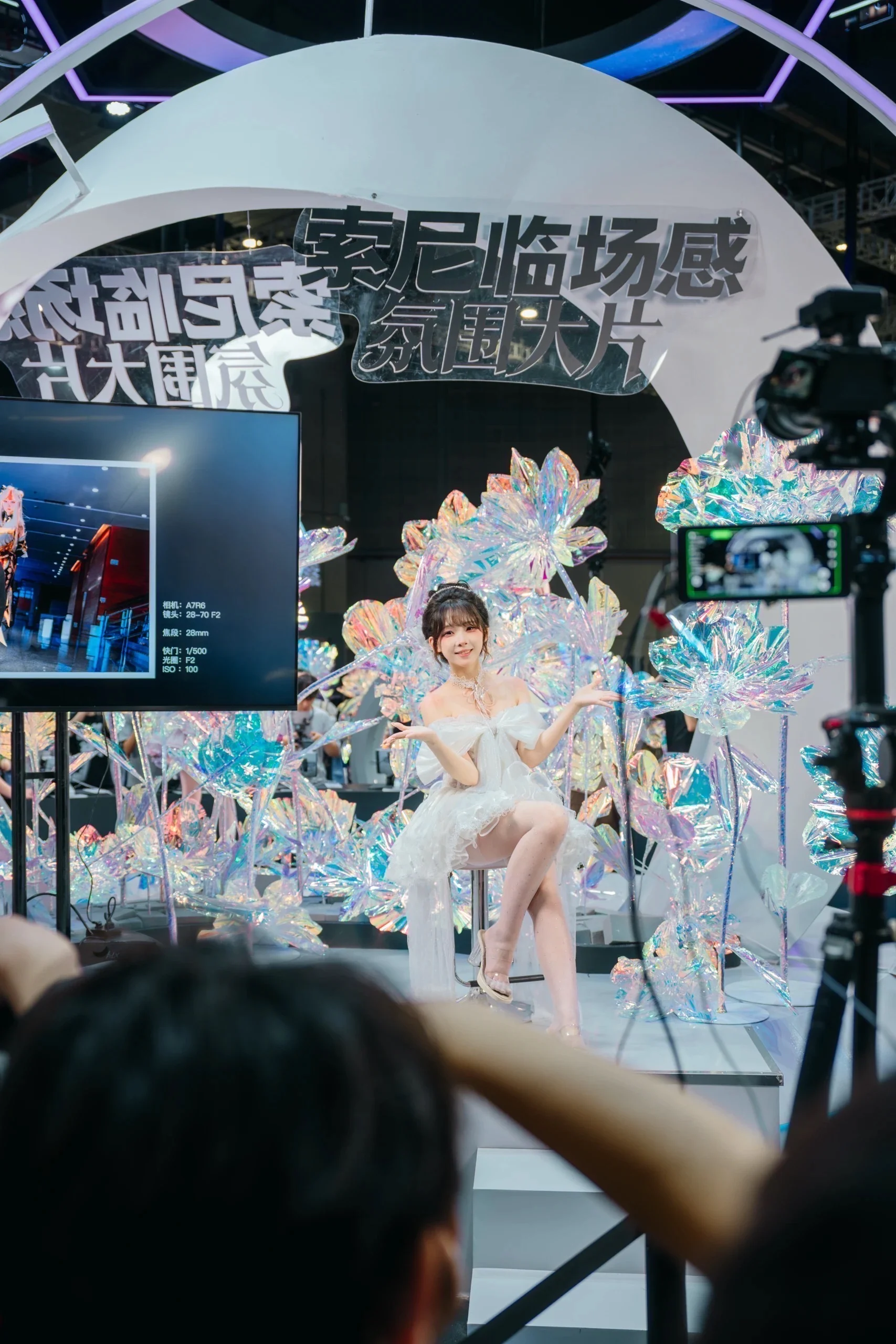
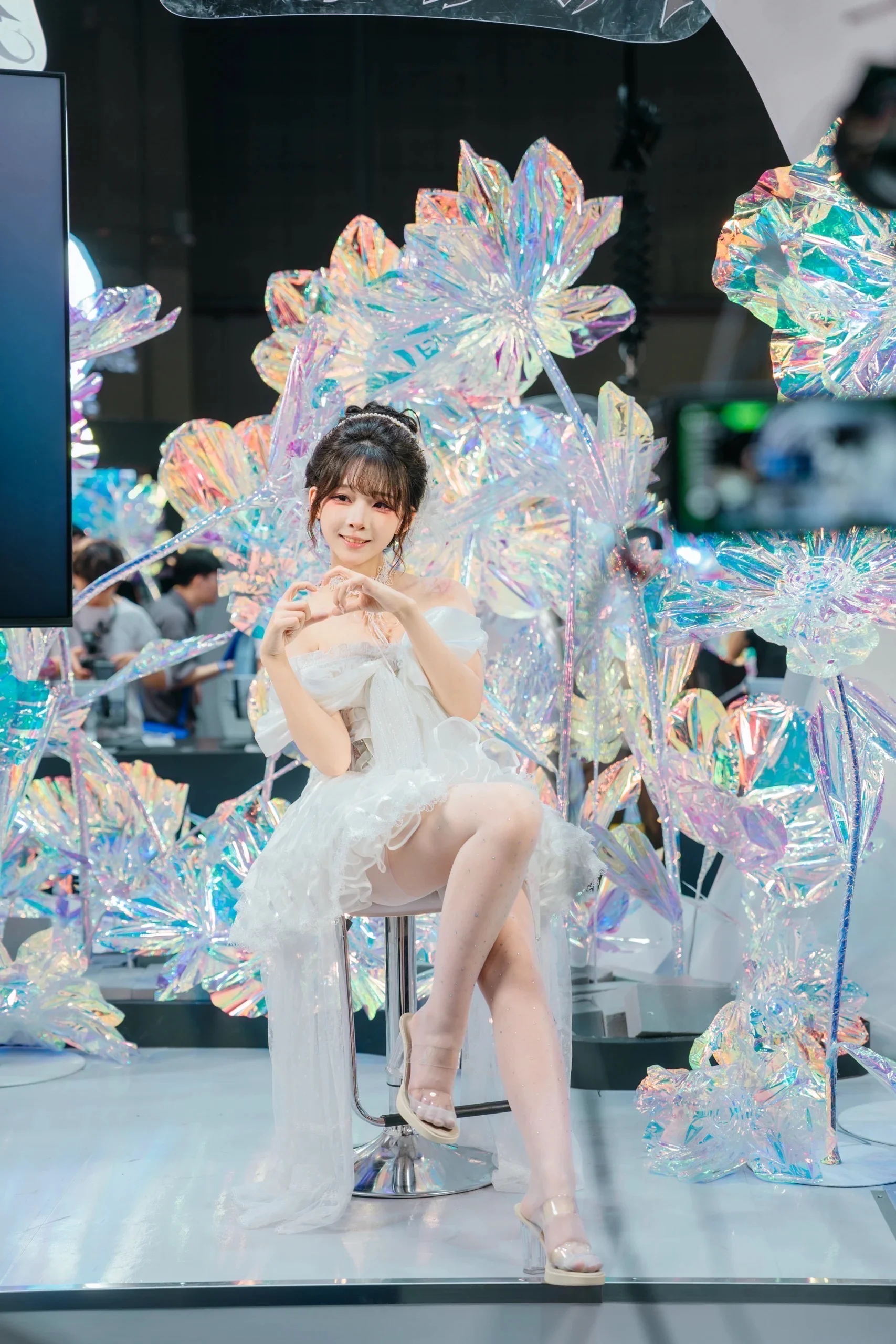
Although we ran into a typhoon day, the shooting rhythm went smoothly thanks to a proper setup. When shooting Figures 2 and 4 in front of the white laser flower backdrop, complex radial highlights didn't cause much trouble for metering, as the camera's dynamic range adapted well to such high-contrast glittering scenes. No longer needing to constantly adjust exposure compensation like in the past allowed me to focus more on guiding the model's state.
Indeed, Convention photography is far more than just clicking the shutter. You have to find a clean background amidst surging crowds, anticipate the subject's next movement, and overcome negative emotions brought by bad weather. But looking at this final set of photos, the exhaustion from walking around in the wind and rain completely evaporated. The one-camera, one-lens combination allowed me to focus more on communicating and interacting with the cosplayers in front of me, capturing their relaxed and natural states. With a slight color grade in post, that sense of presence—like Anime cosplay characters breaking through the 2D dimension wall—came out naturally. This is probably the charm of live documentary photography, where every snapshot carries a real environmental atmosphere. After looking through these photos, the entire day's rushing felt completely worth it.