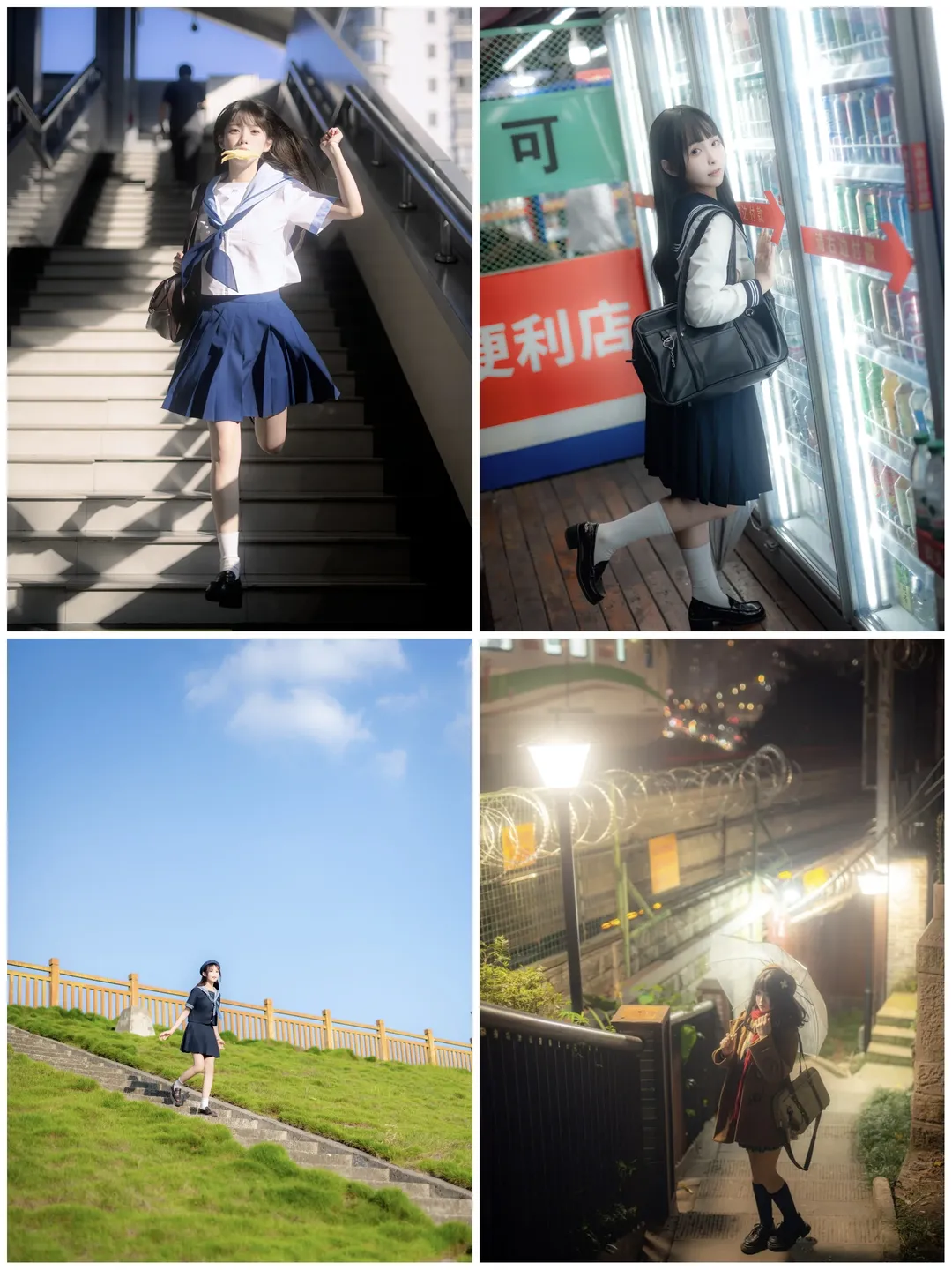
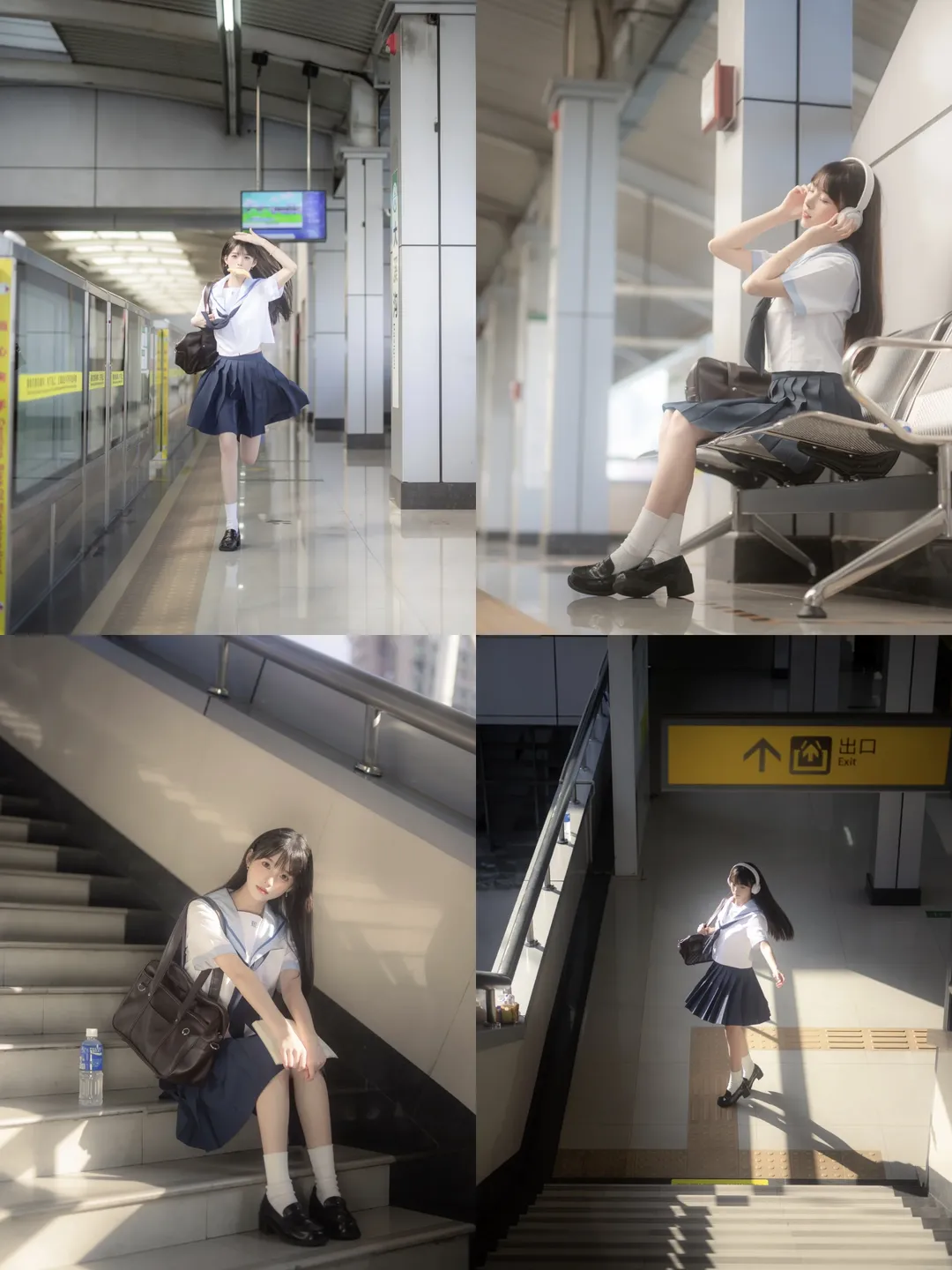
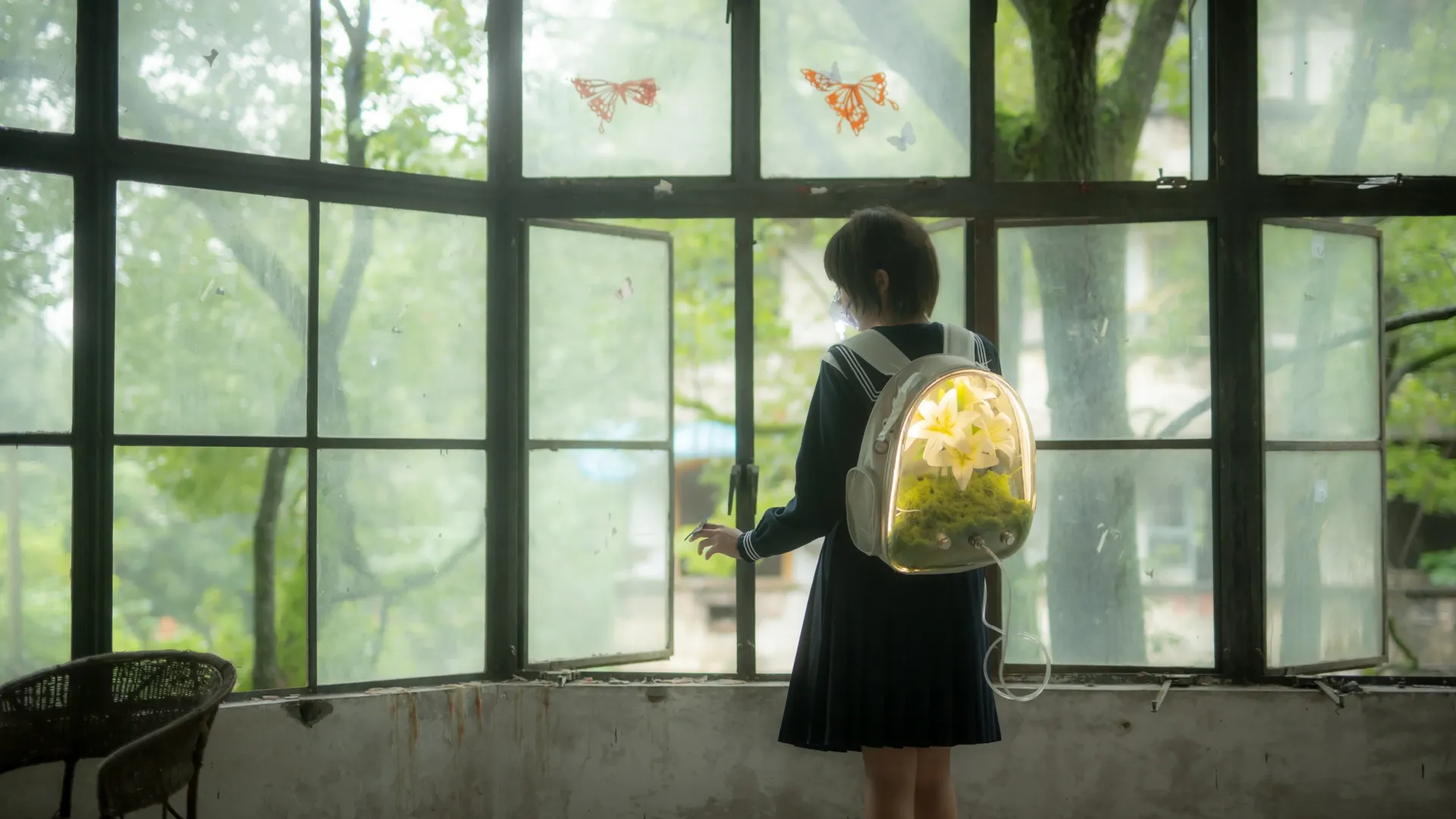
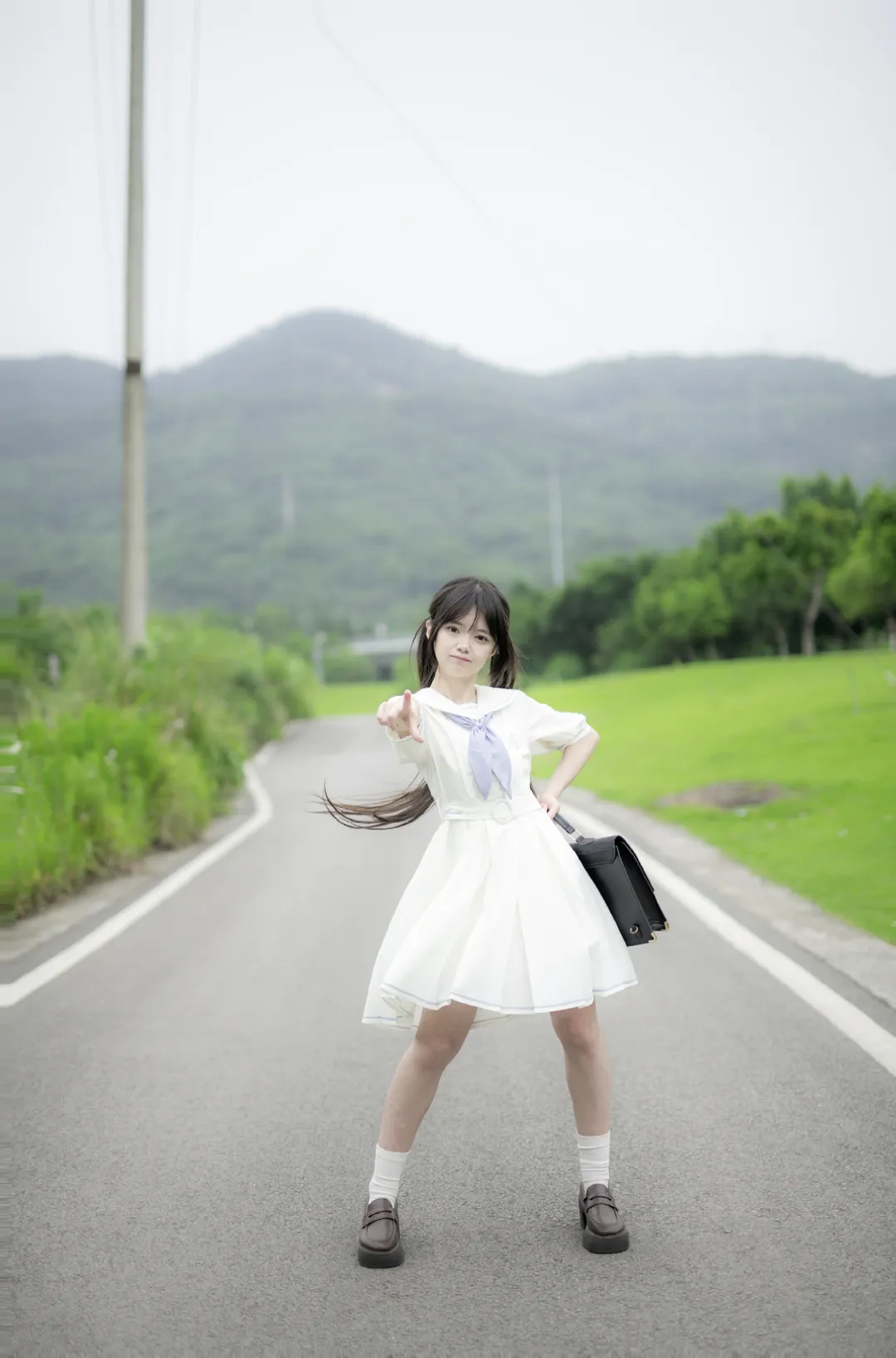
Here is a recap of my field-tested outdoor locations for Japanese style photography across Chongqing over the past year or so. Having spent more than a year shooting on and off and basically visiting all the well-known spots, I’ve summarized my tested locations and key precautions for Portrait photography location sharing.
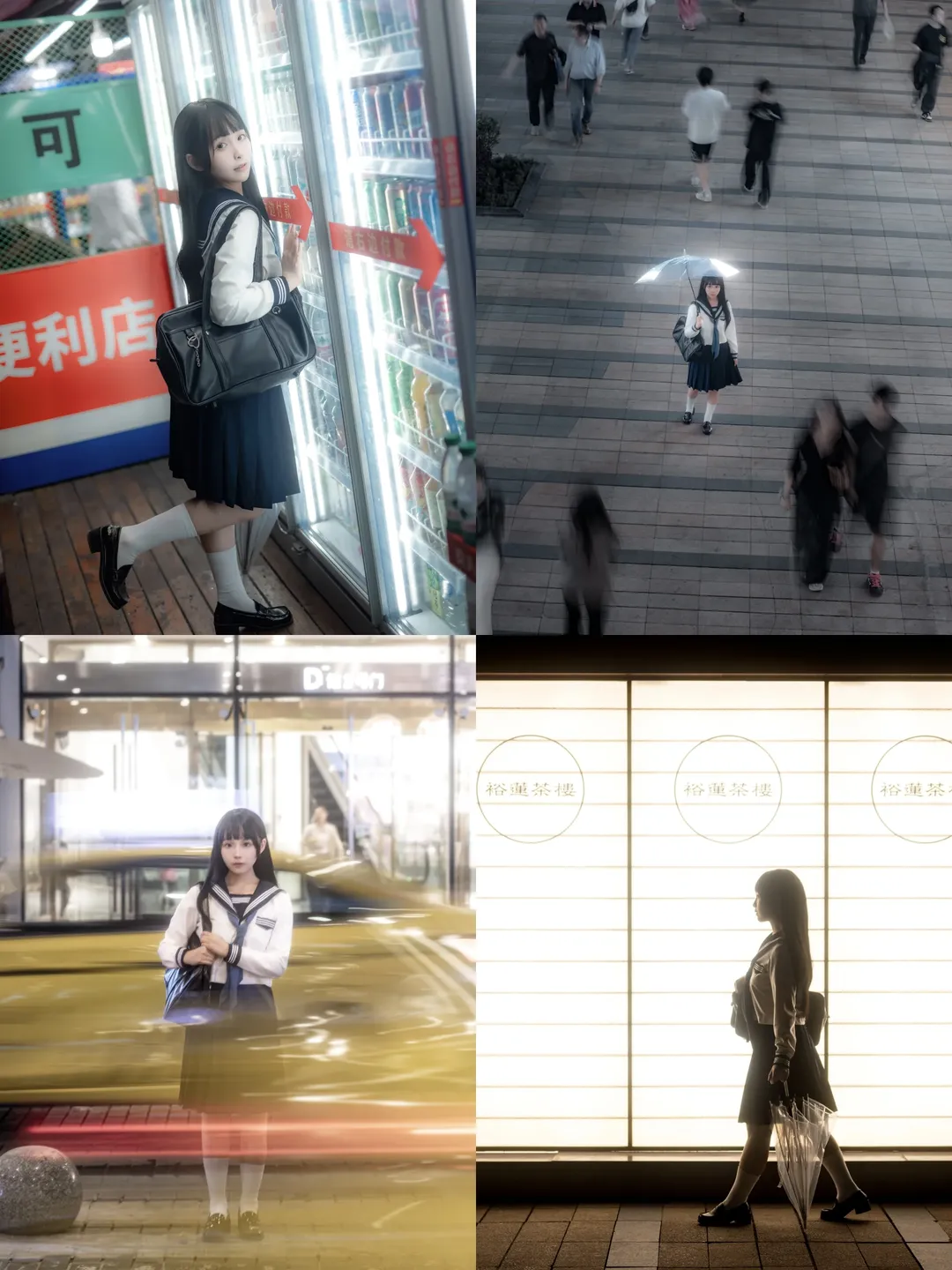
The first stop is Daxigou. The buildings and sidewalks outside the station look fantastic, and the station staff inside rarely intervene with shoots, making it an ideal spot for JK uniform photography.
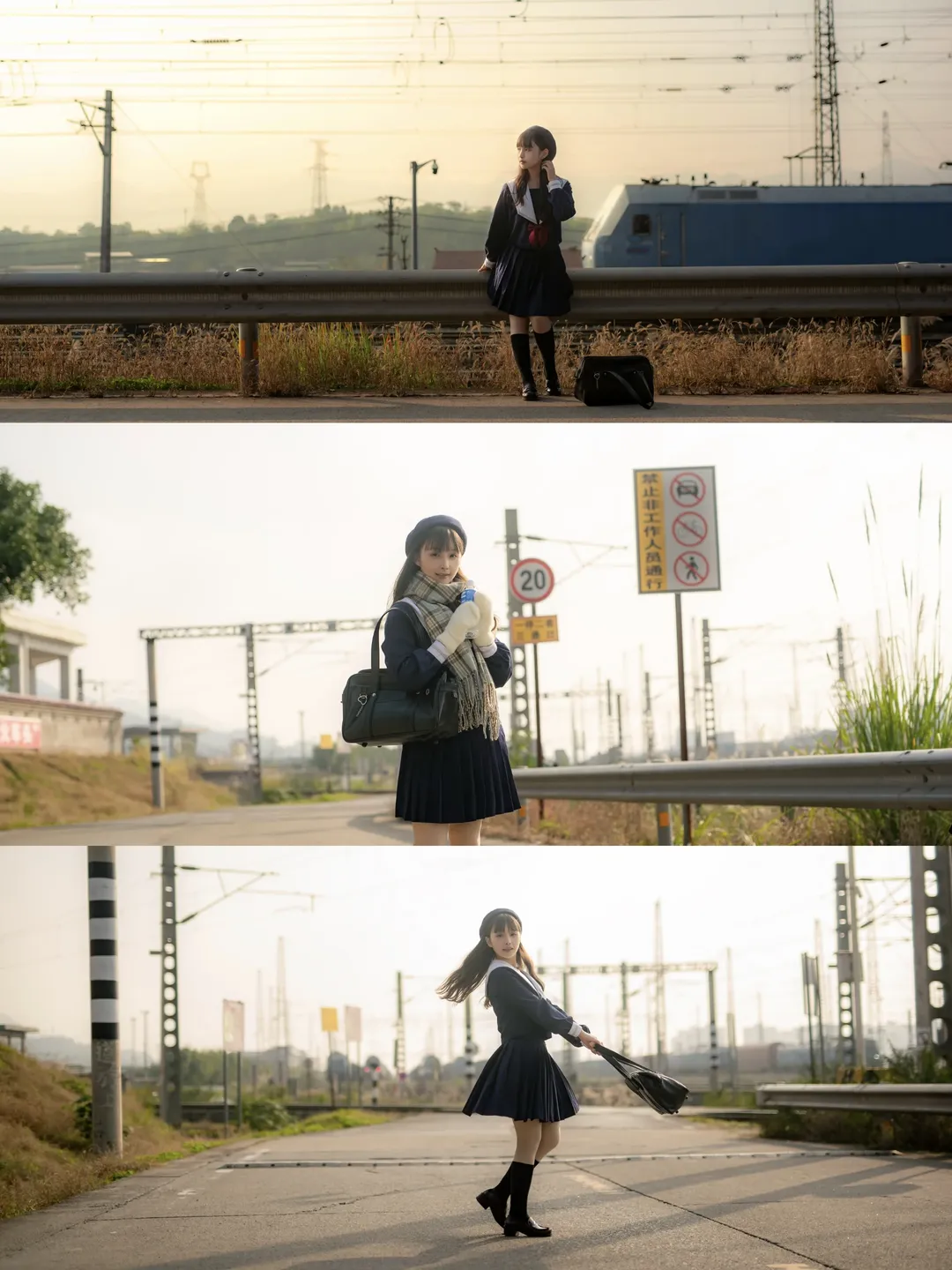
Next is the Chongqing West Depot, often dubbed "Little Kamakura." It's far from downtown with no direct public transit, so you'll have to take a taxi, and heavy road traffic means safety must be prioritized during the shoot.
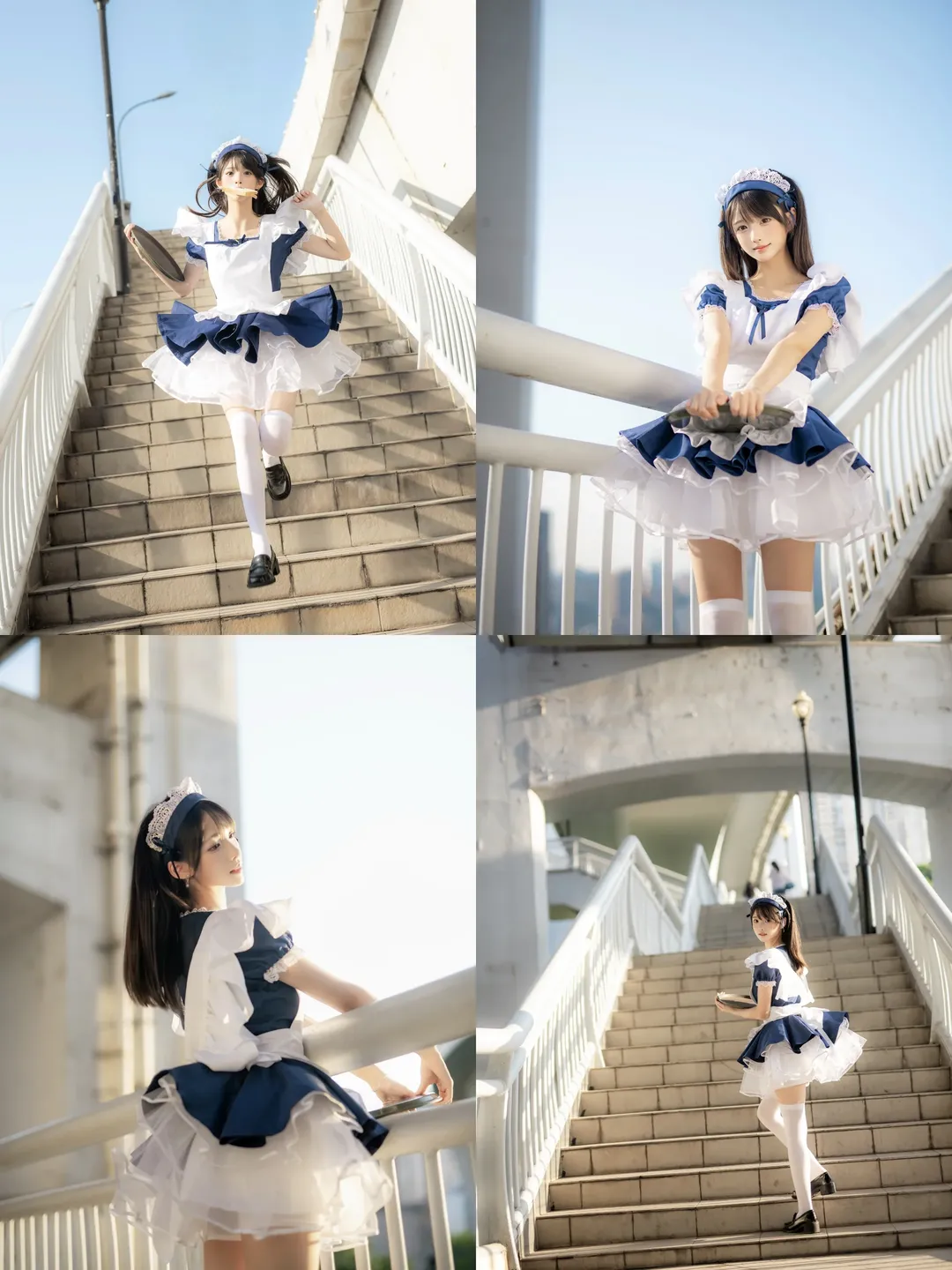
The covered footbridge outside Tongyuanju Metro Station offers wonderful light and shadow; afternoon sunlight pours right in, and foot traffic is light before the evening rush. That maid-themed set was shot right here—wearing White tights cosplay and lifting the skirt hem against side-backlighting makes the silhouette lines look vastly better.
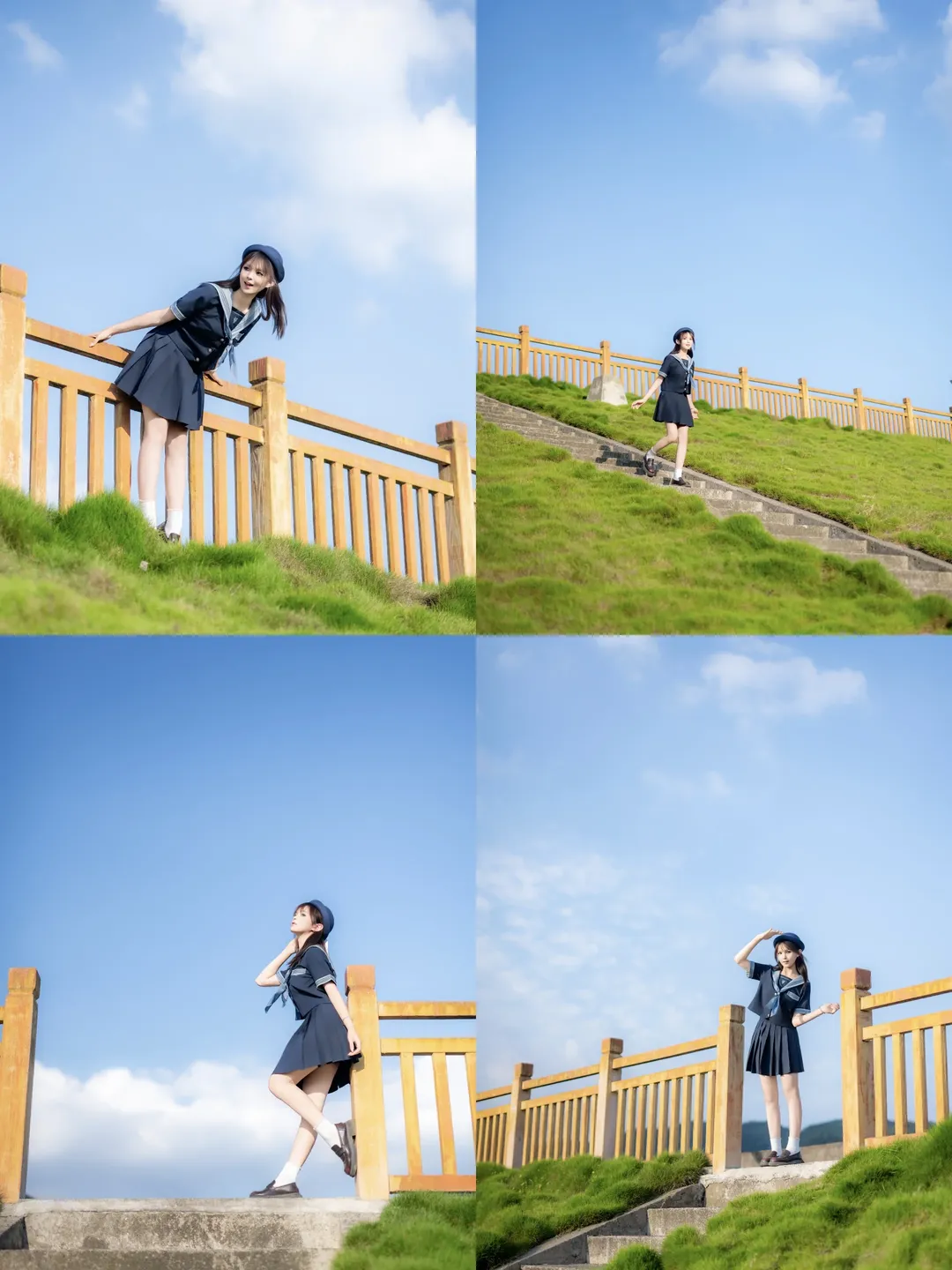
Tongshan Bridge is a reservoir I stumbled upon serendipitously. Transportation is inconvenient and catching a taxi is almost impossible; with harsh direct front light during the day, it's best to shoot right before sunset when the light softens.
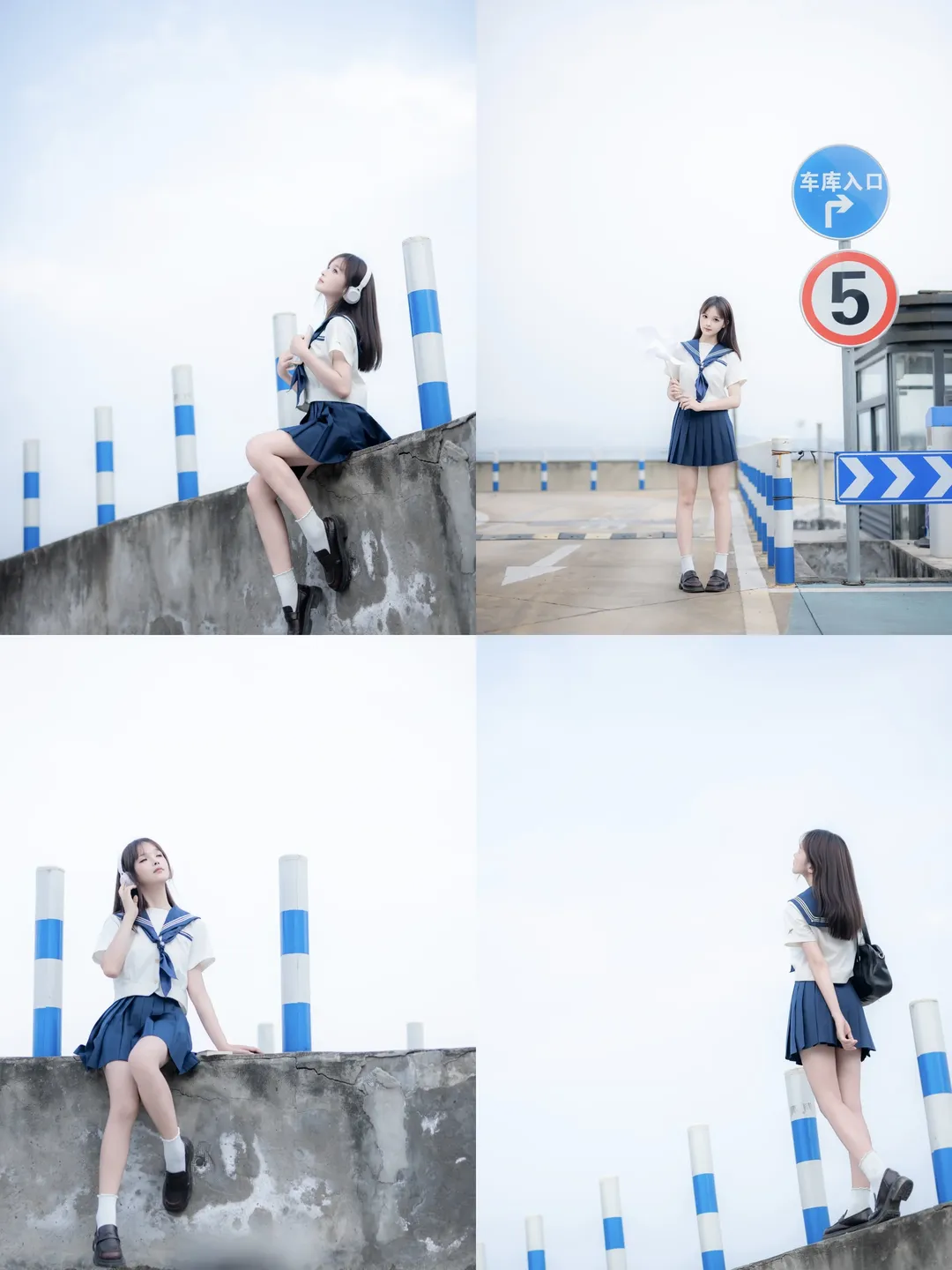
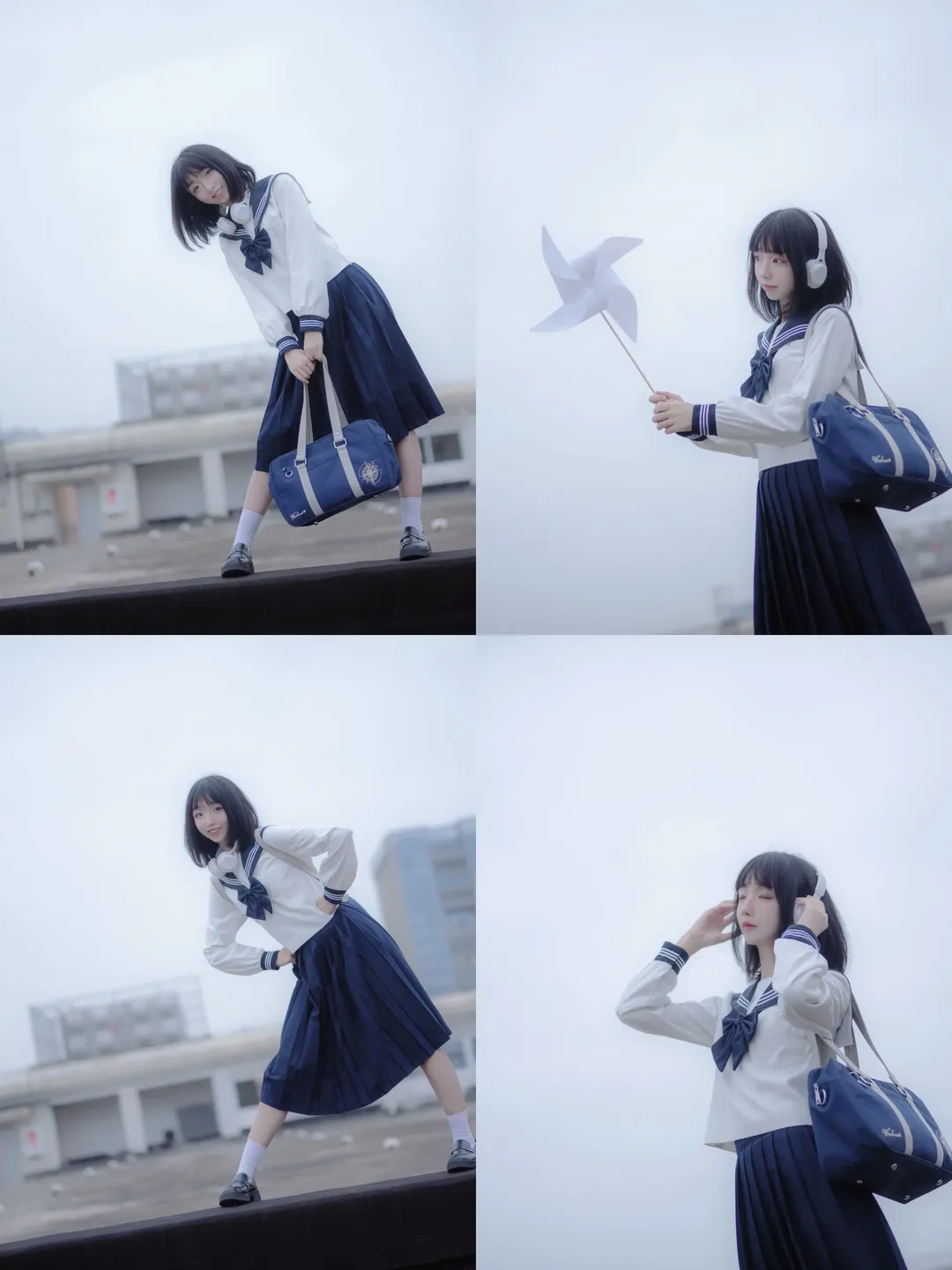
The top floor of the Yidu Ancient Town parking lot has few cars; looking up from a low angle captures a clean, unobstructed sky with a strong Japanese aesthetic.
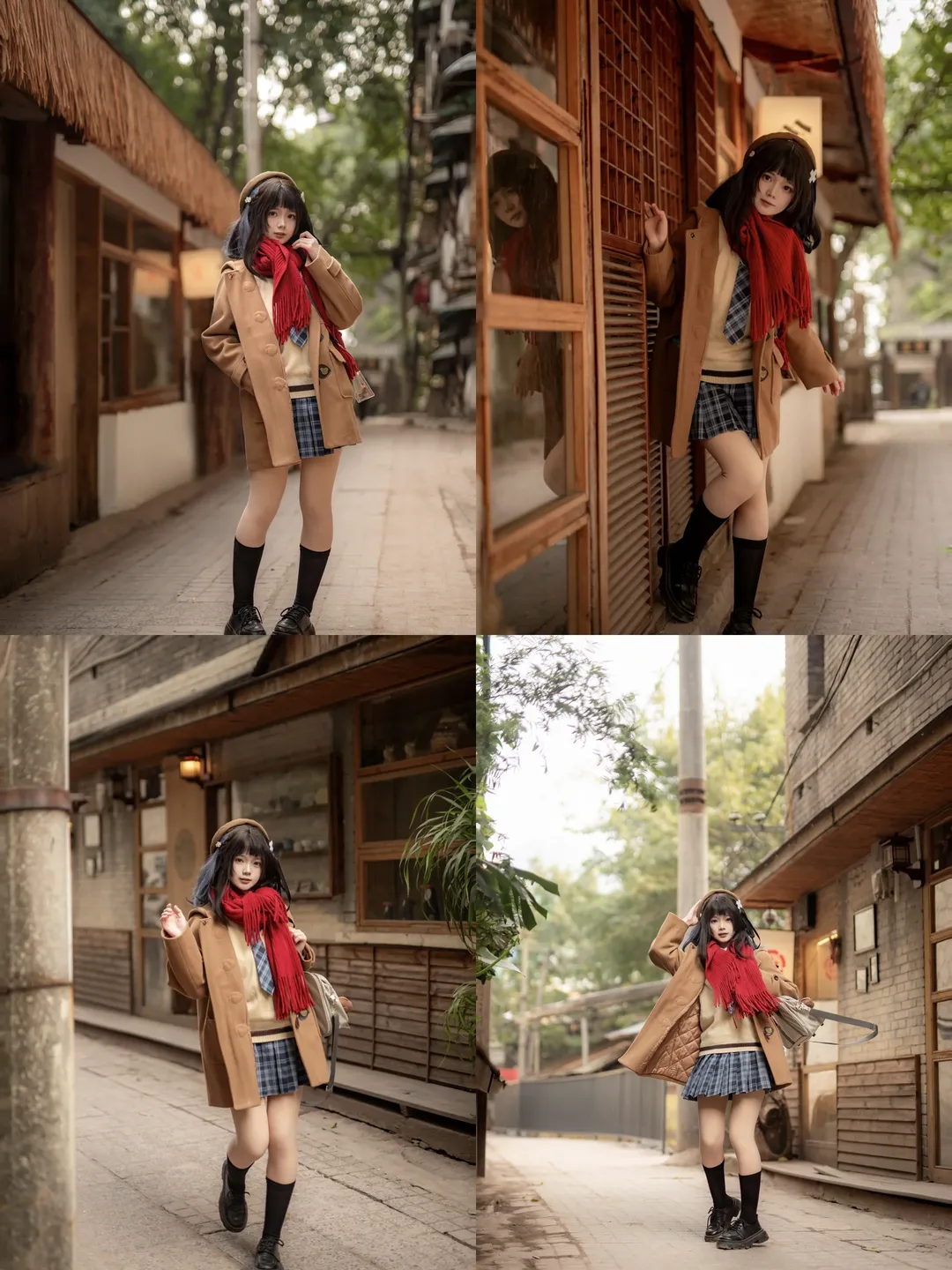
Feibai Private Kitchen is an old street with a few Japanese-style storefronts, but the facades block ambient light, so almost no sunlight reaches inside.
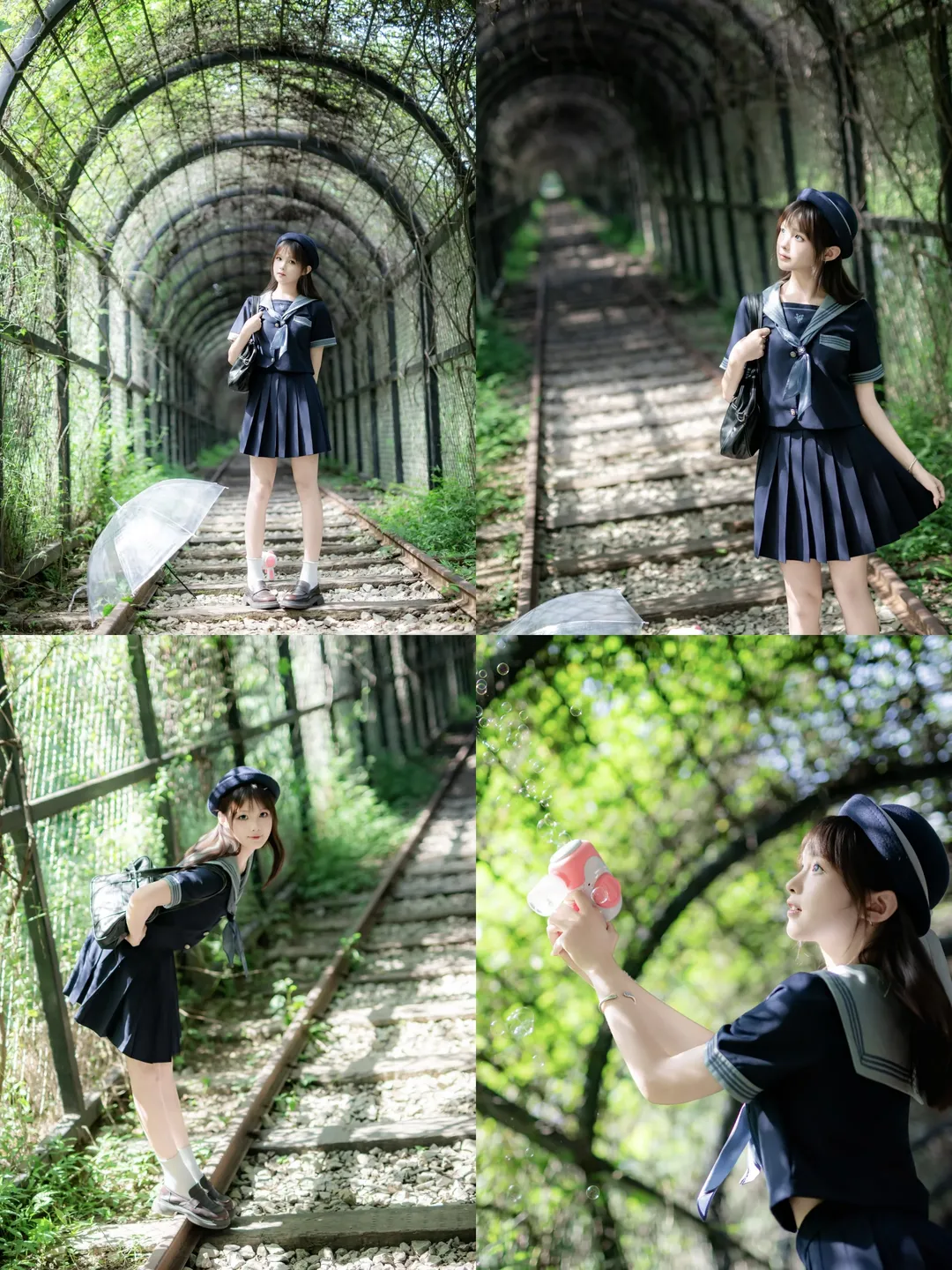
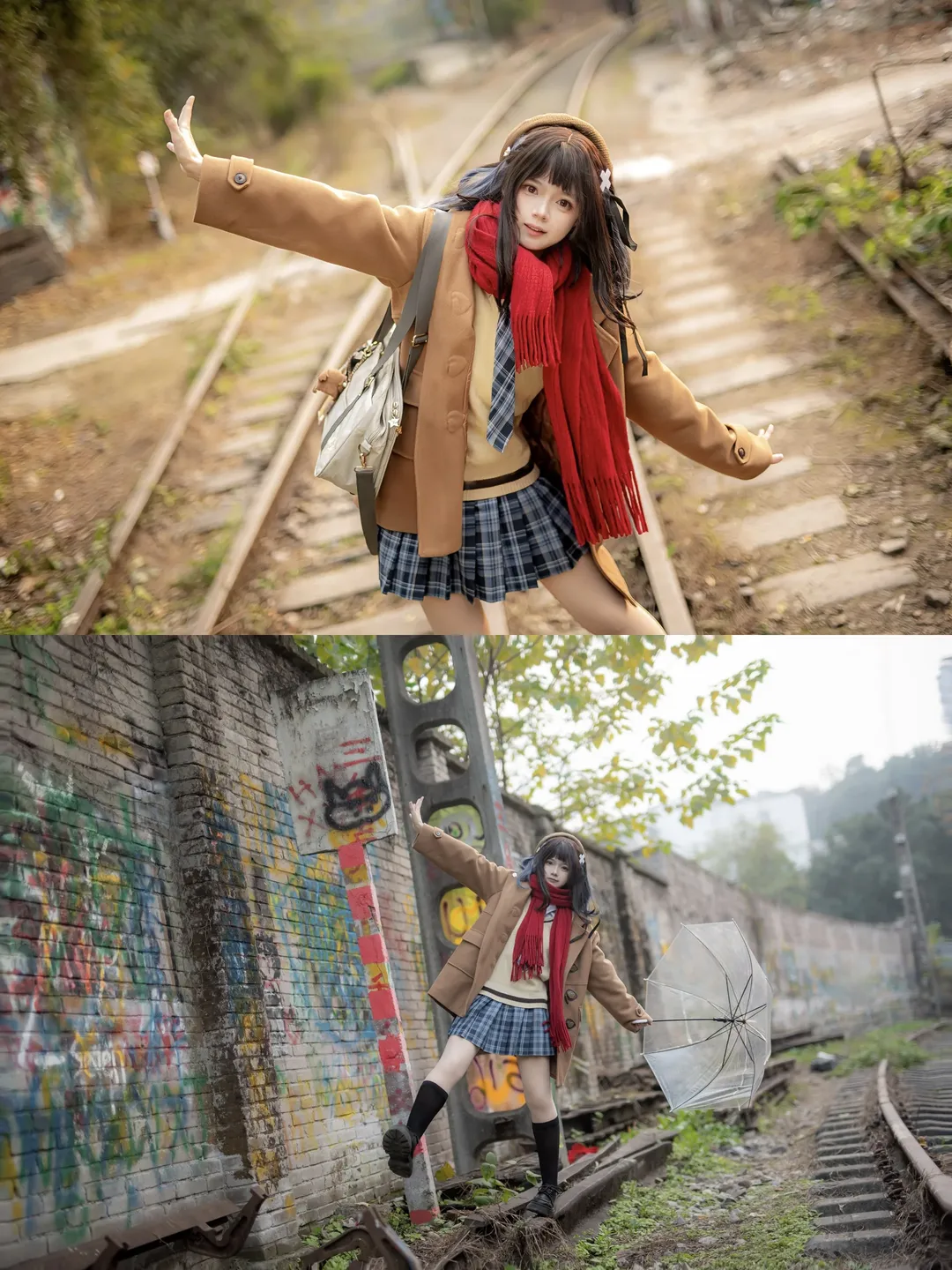
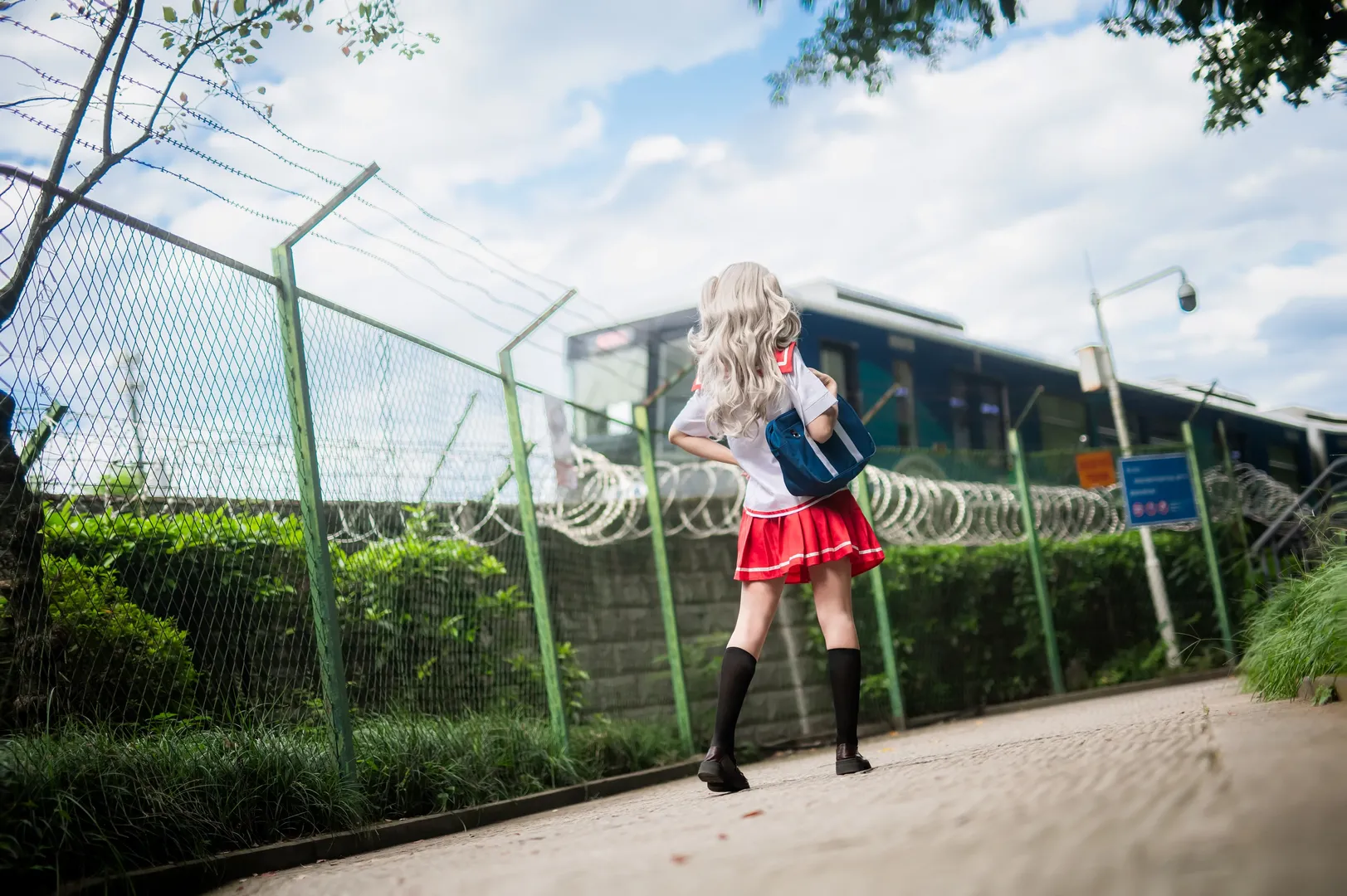
The SISU mini-railway is a classic spot; fortunately, the long tunnel means you won't have to worry about crowds, and light streaming in from the tunnel opening creates stunning, photogenic shots.
Railway No. 4 Village has plenty of graffiti, though sanitation is rather mediocre.
The Jinshan E-COOL creative park feels distinctly Japanese; rooftop access is open, and security guards don't mind night shoots.
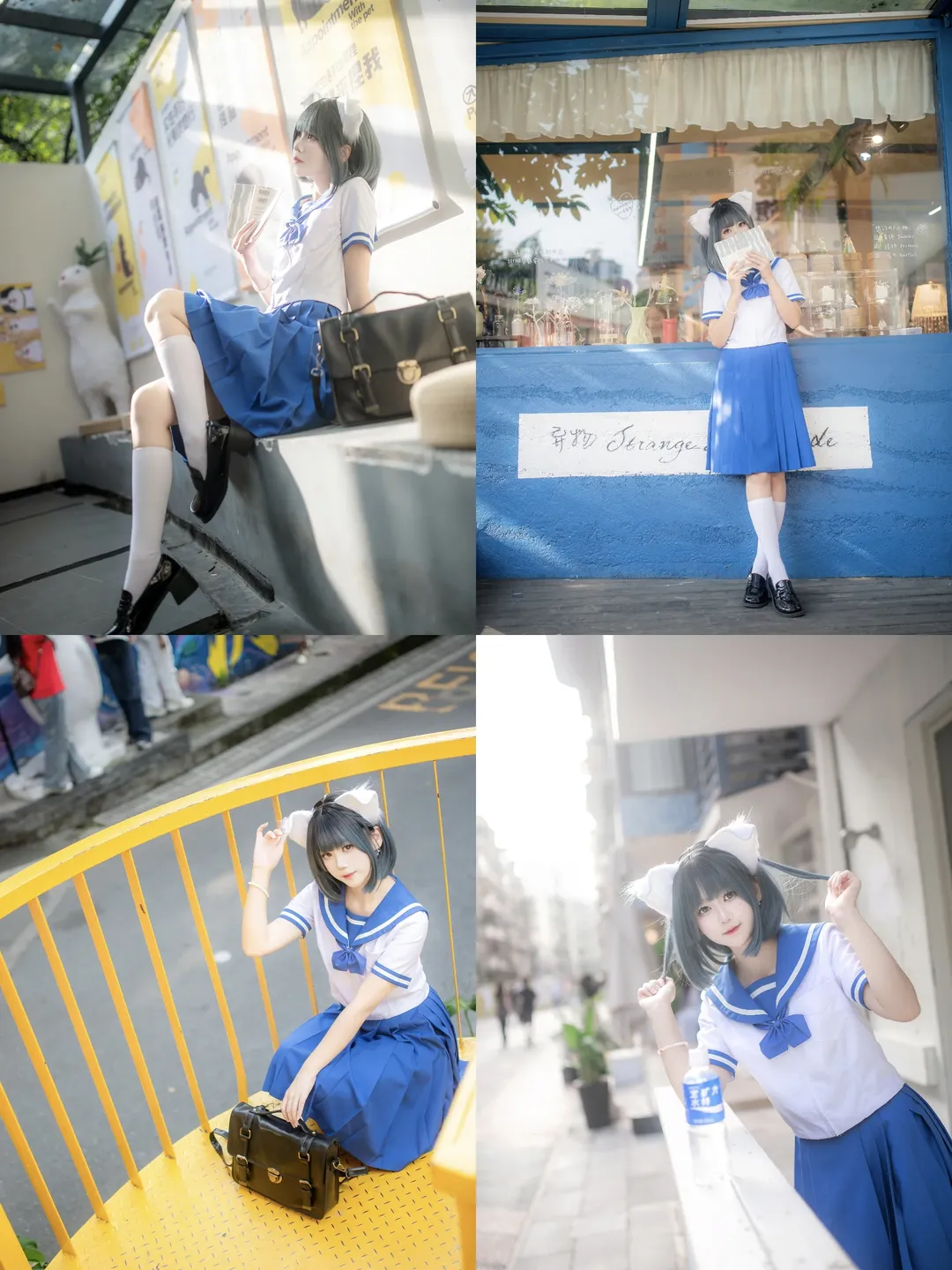
Beicang Cultural & Creative Park is rich in vibrant color, ideal for walk-and-snap candid street photography, which mostly tests your compositional eye.
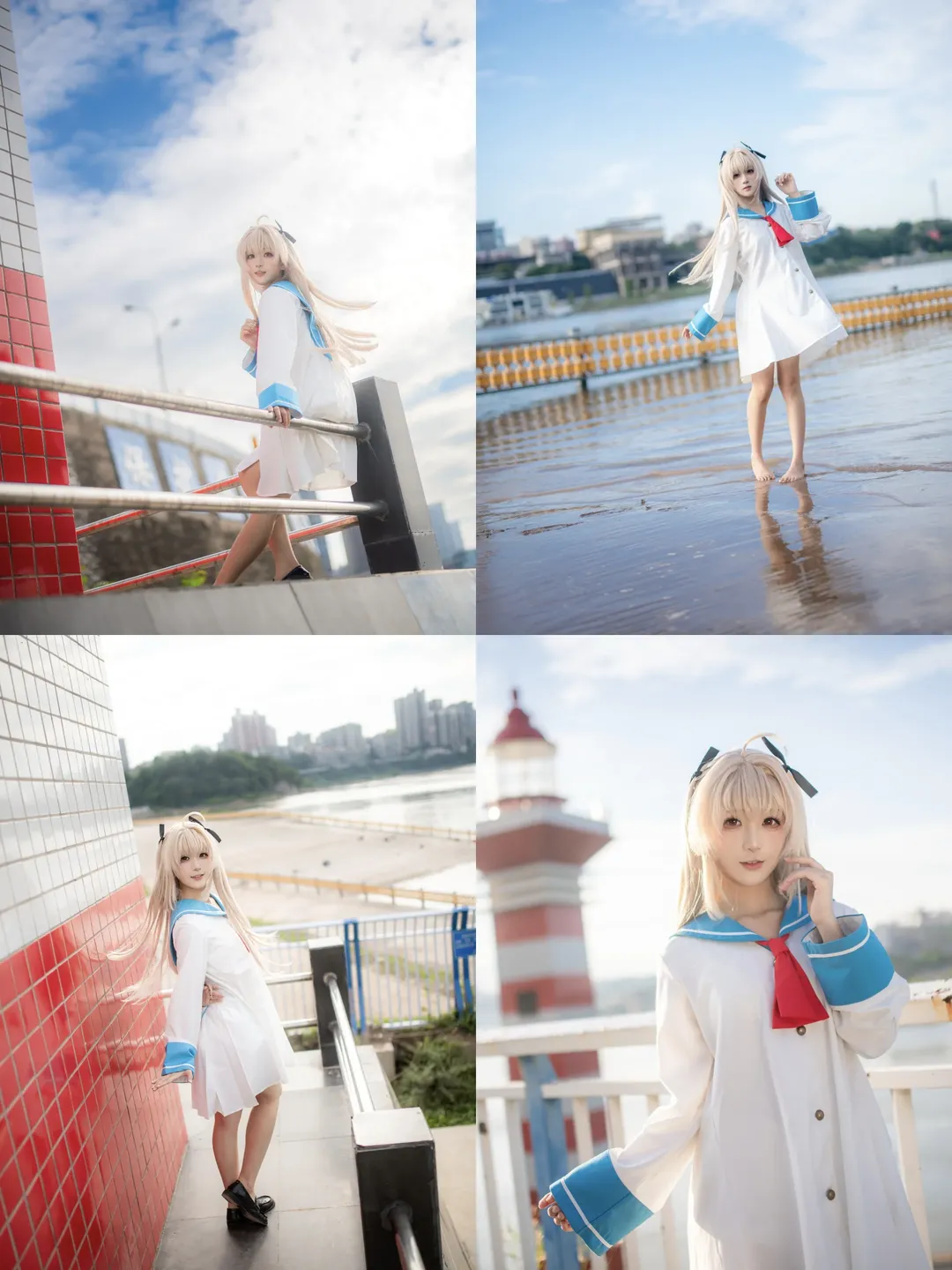
The lighthouse at Lijiatuo Ferry is extremely photogenic; walking through the waterside path lets you get close to the water, though it's quite muddy—capturing sunsets there looks gorgeous.
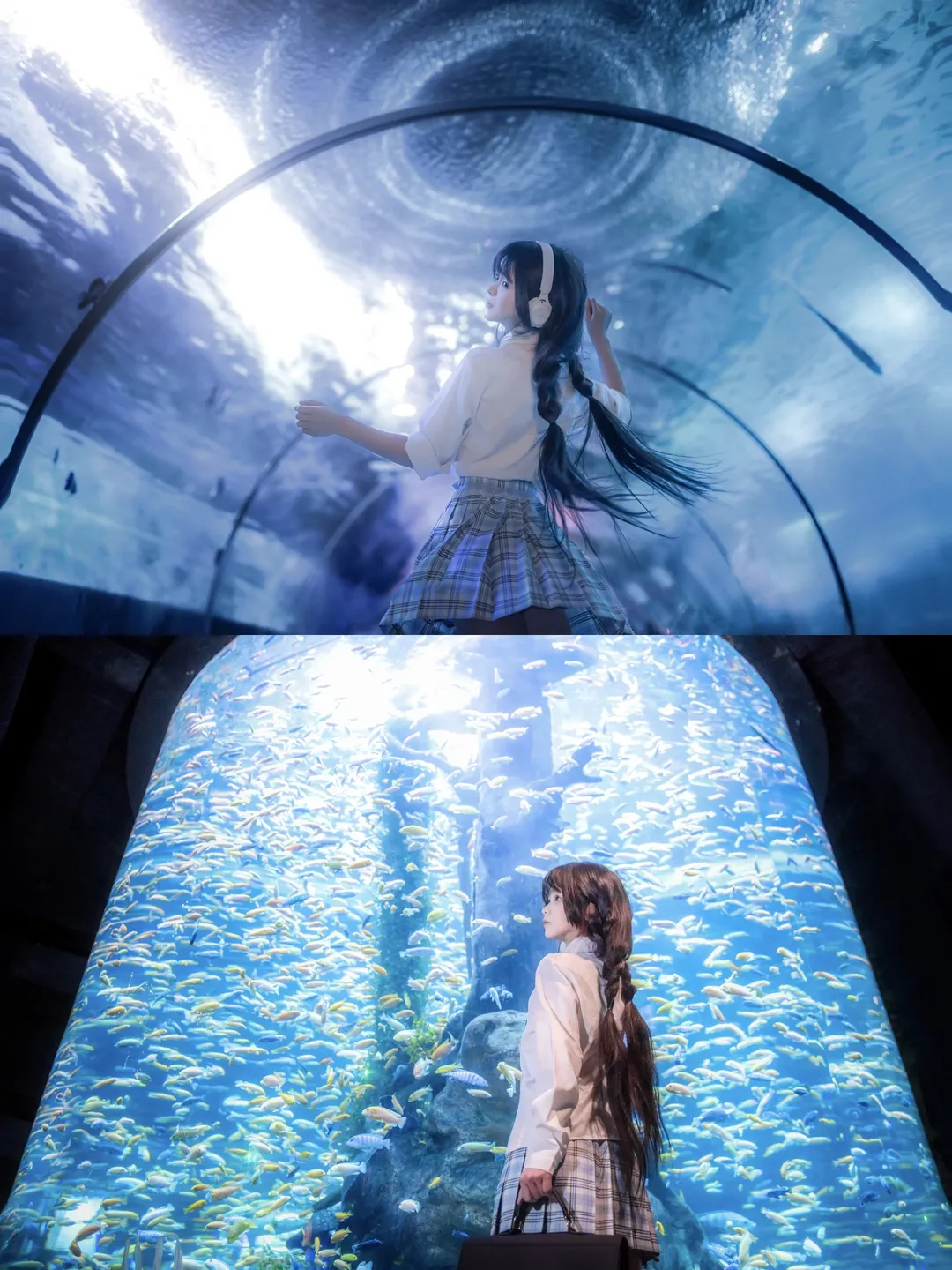
The Ocean Park is usually overcrowded, so shooting just before closing is recommended, and flash photography is strictly prohibited.
Paradise Walk (Shidai Tianjie) is another great spot for spontaneous walk-and-shoot street scenes.
Dahua Trail actually has heavy direct front lighting, making it tough to shoot, and ongoing renovations nearby can be an issue.
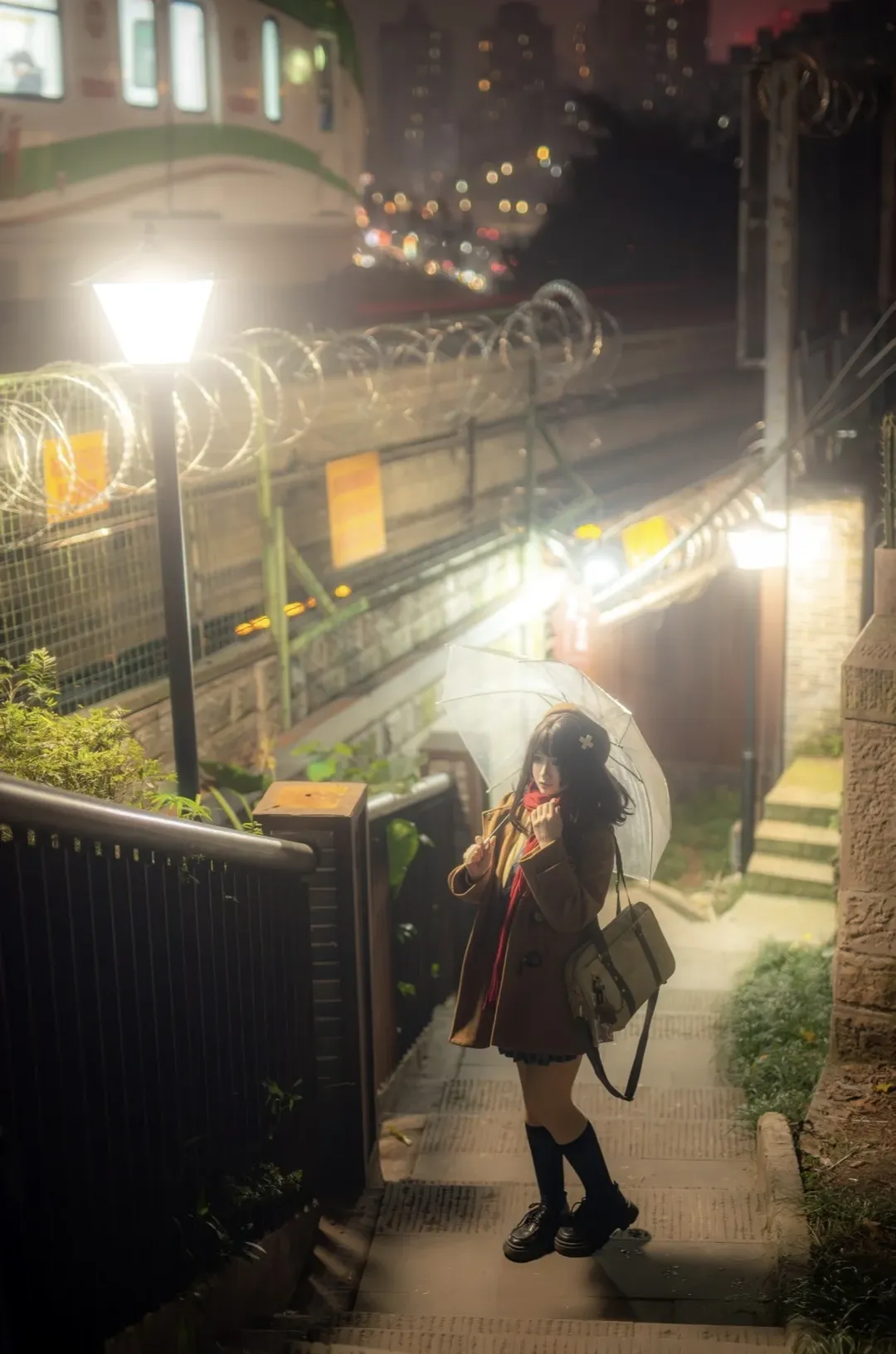
Flying Tigers Hotpot is a classic spot for capturing the iconic single shot of Line 2 passing through the residential building, offering distinct charms at both dawn and dusk.
Tianfu No. 1 Kindergarten suffered minor damage from a previous film crew's shoot, but its aesthetic foundation remains intact.
Laijiaqiao resembles a rustic country lane, but watch out for oncoming vehicular traffic.
Overall, these spots each have their unique strengths—some rely on textured platforms, while others offer clean backdrops and natural illumination. In actual shooting, pay attention to the timing and environmental conditions: the station light at Daxigou, the warm afternoon glow at Tongyuanju, or the backlight at the SISU railway. Experimenting with wide-angle or telephoto lenses to tweak perspective and carefully positioning the subject will allow you to capture Japanese style photography with a vibrant, breathable feel. A helpful reference for anyone planning a Chongqing photoshoot booking. Finally, a reminder that safety always comes first on outdoor shoots—wishing everyone picture-perfect results!