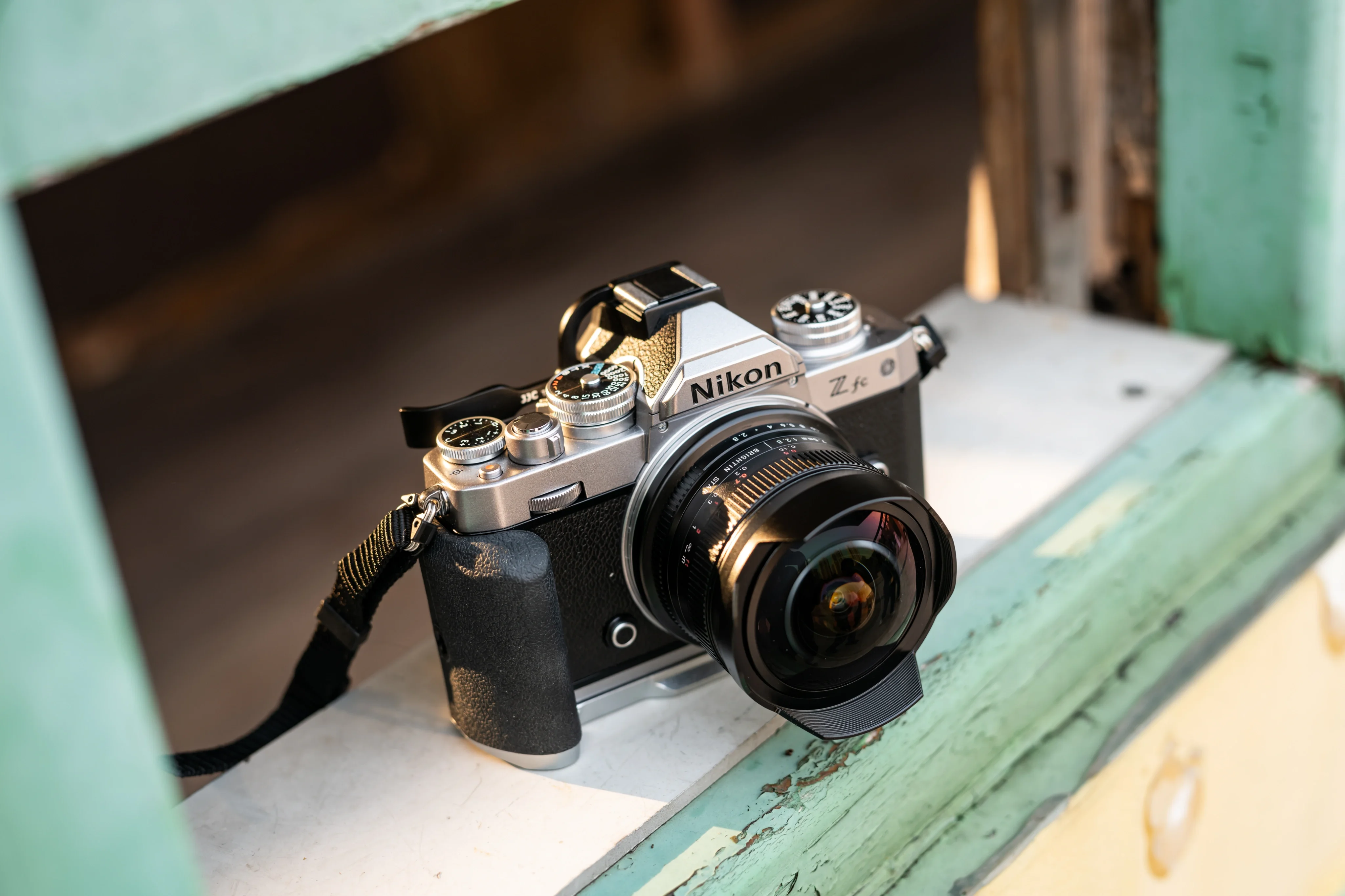
Recently, I took the AstrHori 7.5mm F2.8 III out to shoot a set of ultra-wide-angle portraits and want to share my practical insights from this period. Previously, I always had reservations about shooting portraits with ultra-wide-angle lenses, mainly worrying that the gap between center and edge image quality would be too massive, and that the bulky size would result in poor portability. However, this AstrHori 7.5mm lens mounted on my Nikon Z fc is simply a perfect match; the overall weight is highly user-friendly, leaving absolutely no burden when going out for street photography. Given the prerequisite of ensuring accurate focus, the sharpness of the actual final photos is quite competitive—especially the center image quality, which is very solid and completely satisfies the needs of anime-style photography.
Regarding ultra-wide-angle portrait shooting techniques, I have summarized several highly practical experiences. First and foremost, the character must be centered as much as possible during composition. The edge distortion of ultra-wide-angle lenses is extremely exaggerated; if the character is at the edge of the frame, the stretching and deformation of the face or body will be severe, making post-processing correction costs extremely high or even ruining the photo directly. In several photos I shot this time, the position of the subject was pressed into the center area of the frame as much as possible. This not only preserves the grandeur of the environment but also guarantees the normal proportions of the character.
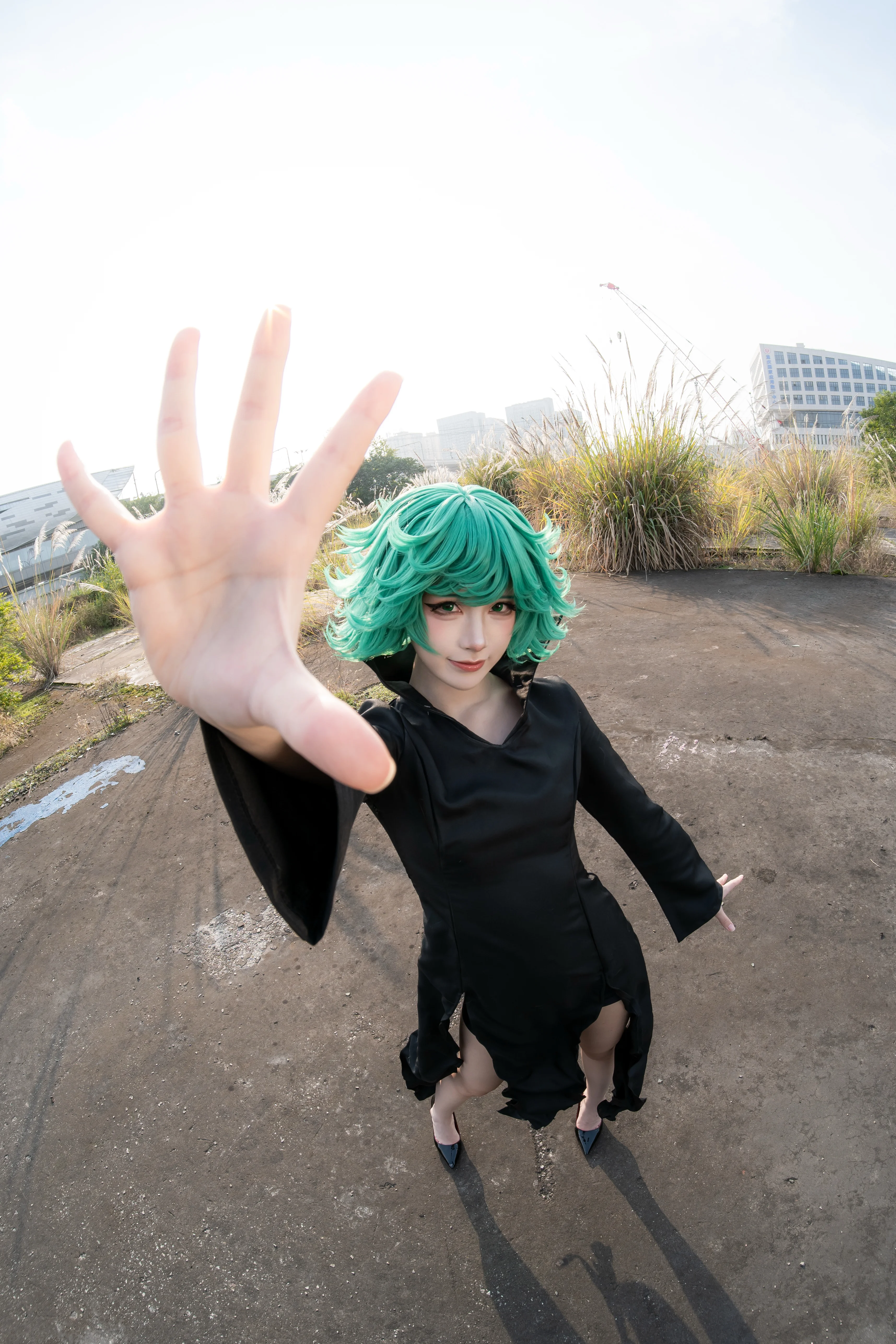
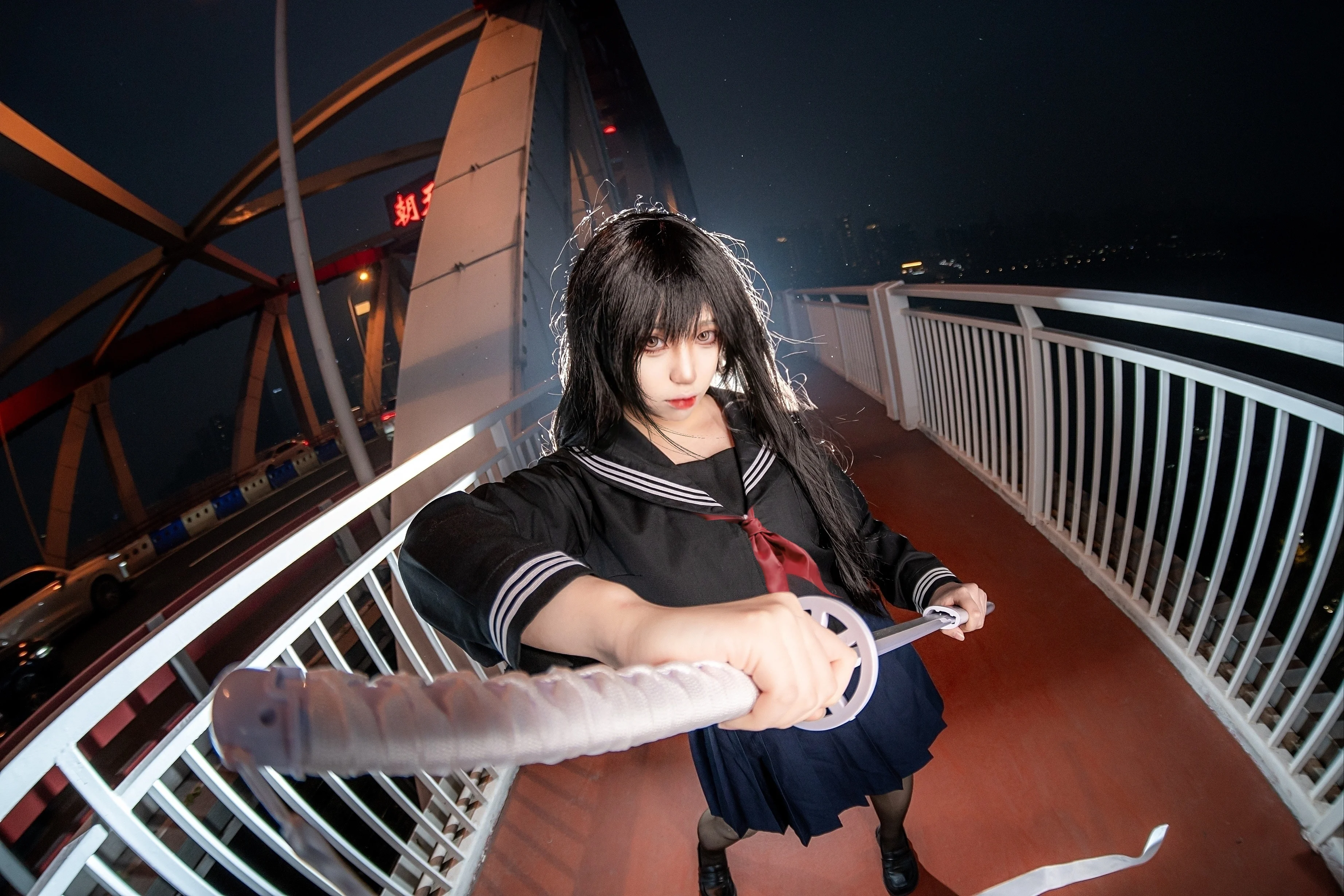
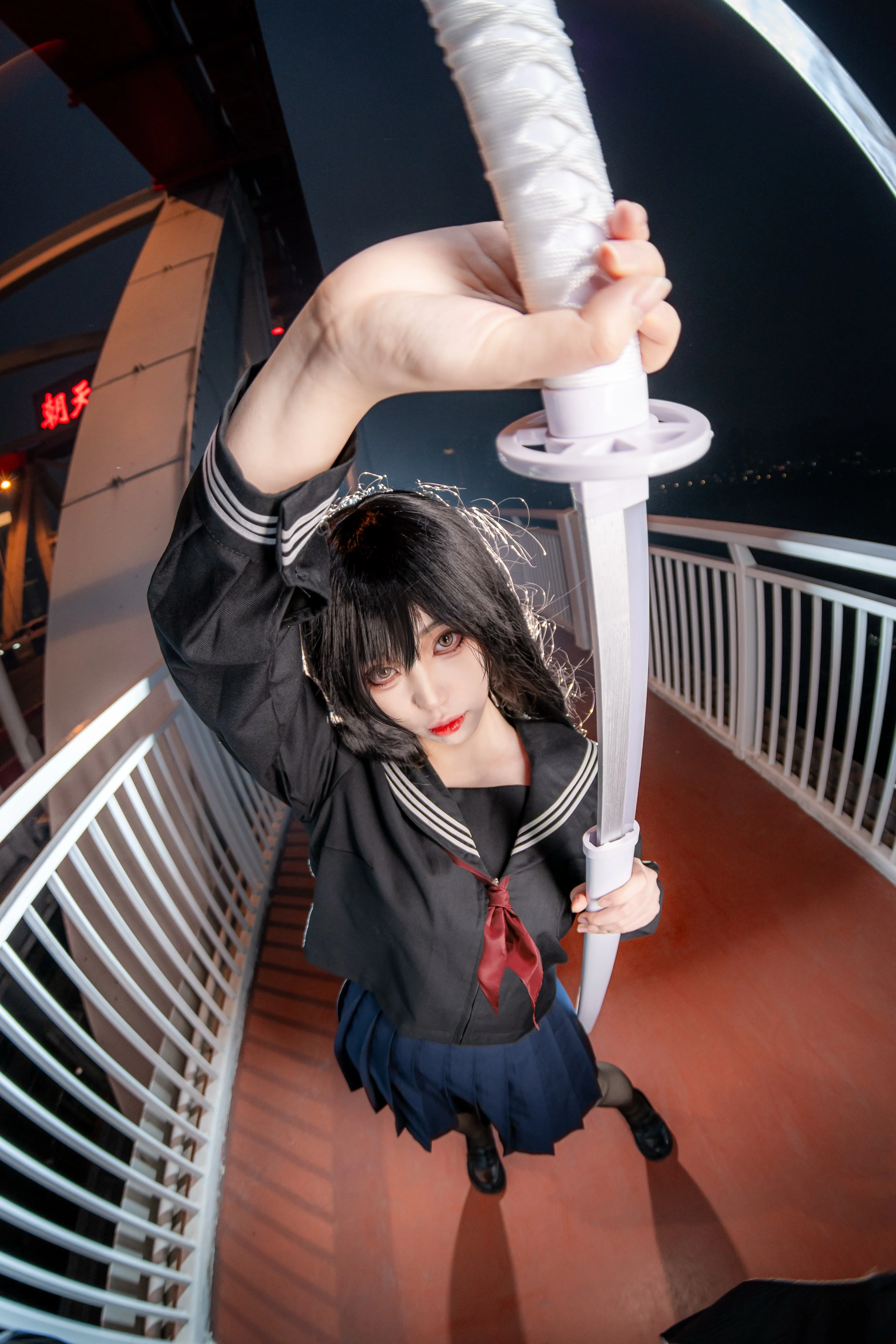
Secondly, utilize props to create leading lines. For example, when shooting the set featuring the black sailor uniform and the white sword, I intentionally placed the hilt at the absolute front of the frame, utilizing the characteristics of the ultra-wide angle to exaggeratingly magnify the hilt, forming a set of powerful perspective leading lines. Paired with a direct night flash, it created a highly oppressive dynamic effect. If there are no props, an action like the one in the cover photo—stretching the hand straight toward the lens—can similarly serve to guide the gaze. This exaggerated perspective is exactly the charm of an ultra-wide angle.
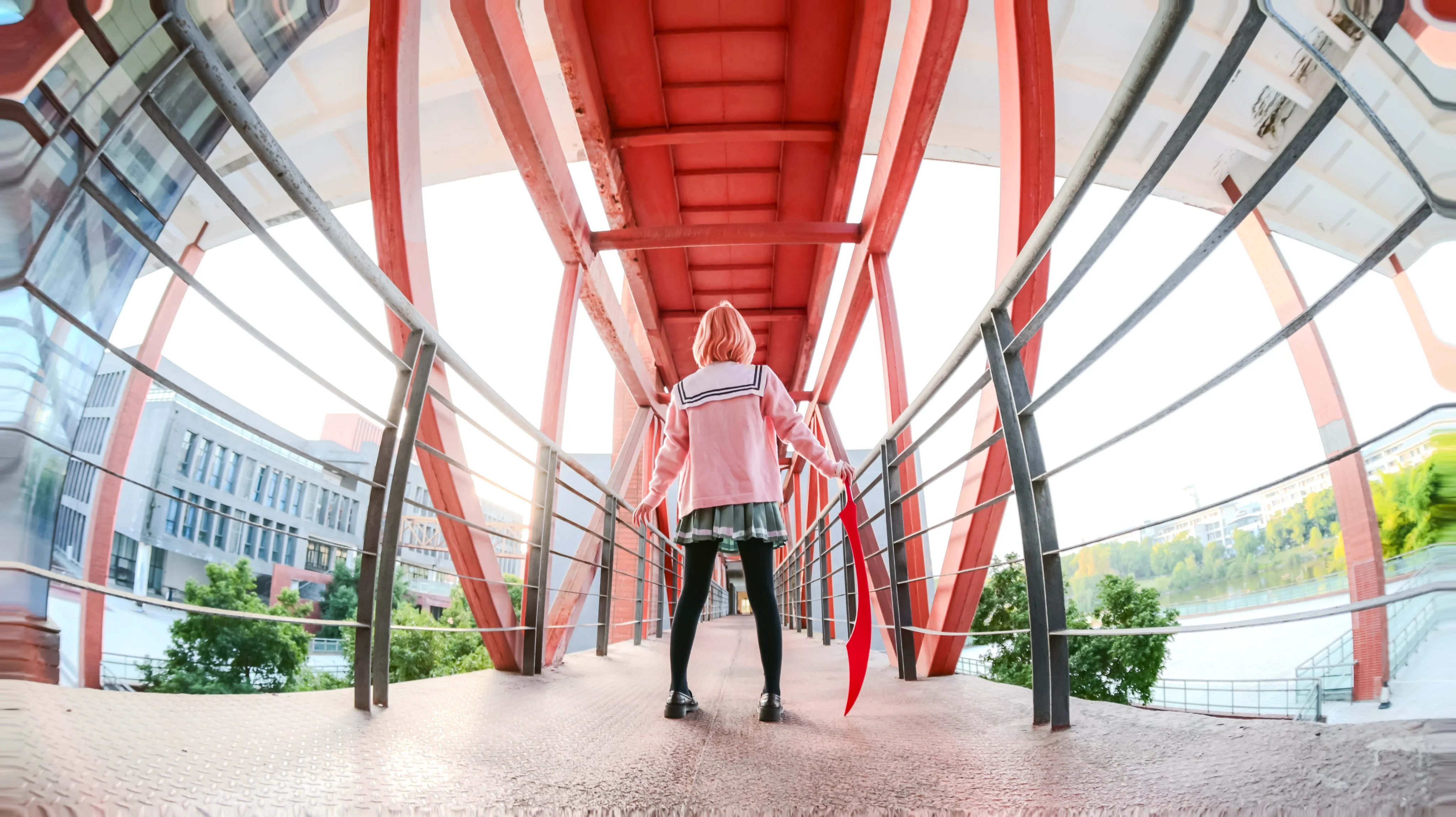
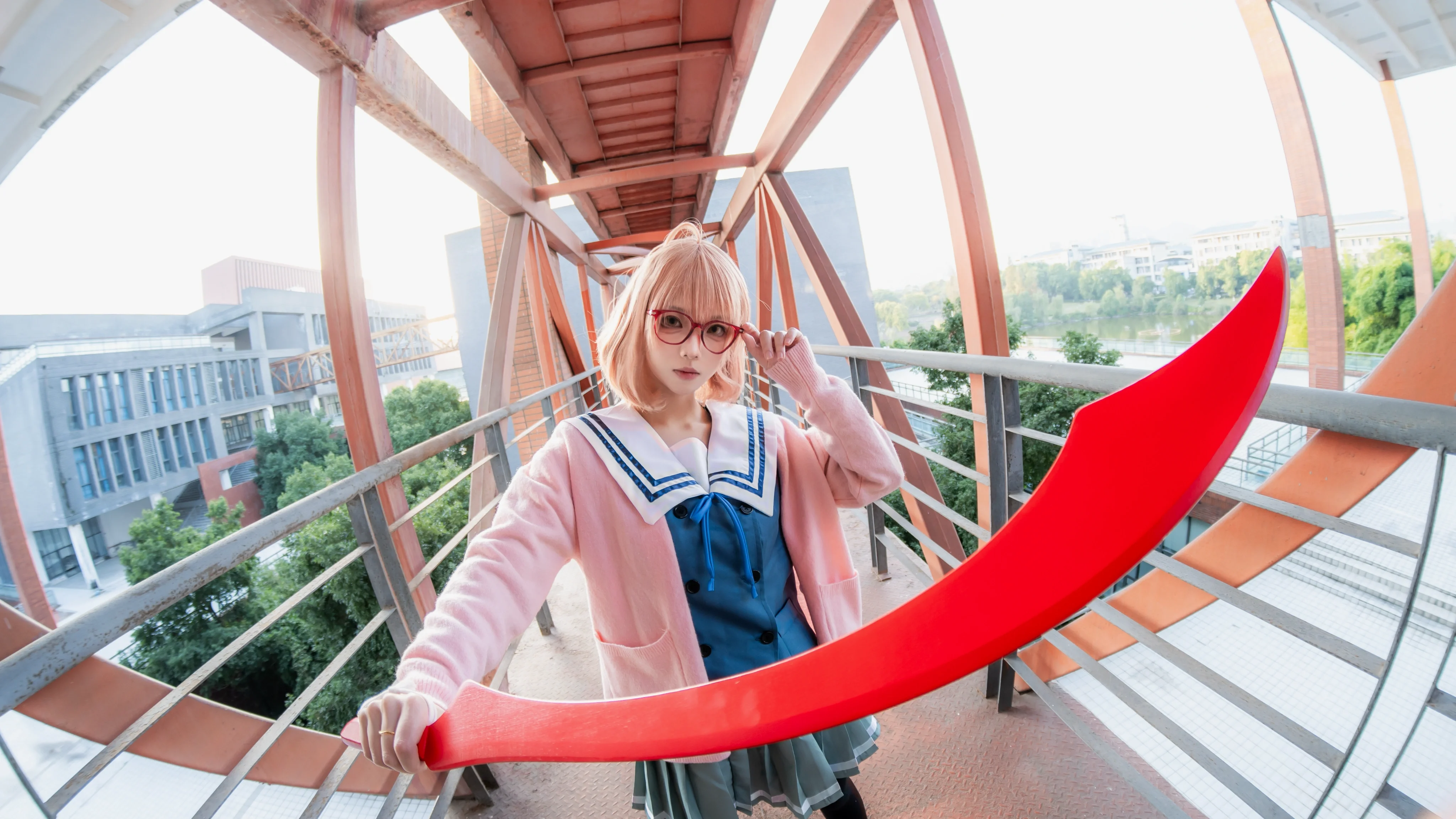
In terms of perspective choice, I strongly recommend a high-angle view (shooting from above). Shooting downward from a high position not only allows utilizing a large area of the ground as a backdrop to make the frame look clean and concise, but it also effectively avoids wardrobe malfunctions or embarrassing distortions of the lower body. I tried other angles on the pedestrian bridge, and the results turned out more or less a bit strange; only this high-angle view trick worked best. This look featuring pink hair, red-framed glasses, and a sailor uniform layered with a pink sweater, standing on the red steel-structure bridge deck paired with the red crescent prop in hand, created a strong visual complement of red elements within the frame.
Different stylings can also bring out completely different atmospheric vibes. That look with green hair and a black skirt utilized an open outdoor site and messy dried grass as a background, giving a cool, solitary, and independent feeling, with the hand-stretching action packed with tension. Meanwhile, the night look with black hair holding a sword was an entirely different style; the nighttime bridge deck combined with the high contrast of the flash made the character look cold and firm. Although the same wide-angle lens was uniformly used, because the light and environment differed, the final presented photos had a natural distinction in their overall tone.
Lastly, I want to say that ultra-wide-angle portraits indeed require a certain amount of time to get used to, whether it's early composition or post-processing fine-tuning. However, as long as you master basic principles such as centering the character, making good use of leading lines, and choosing a high-angle view, combined with this compact and highly cost-effective AstrHori lens, producing photos is truly not as difficult as imagined. Having shot for a month now, I am increasingly falling in love with this shooting method filled with spatial tension, and look forward to more creative execution in the future.