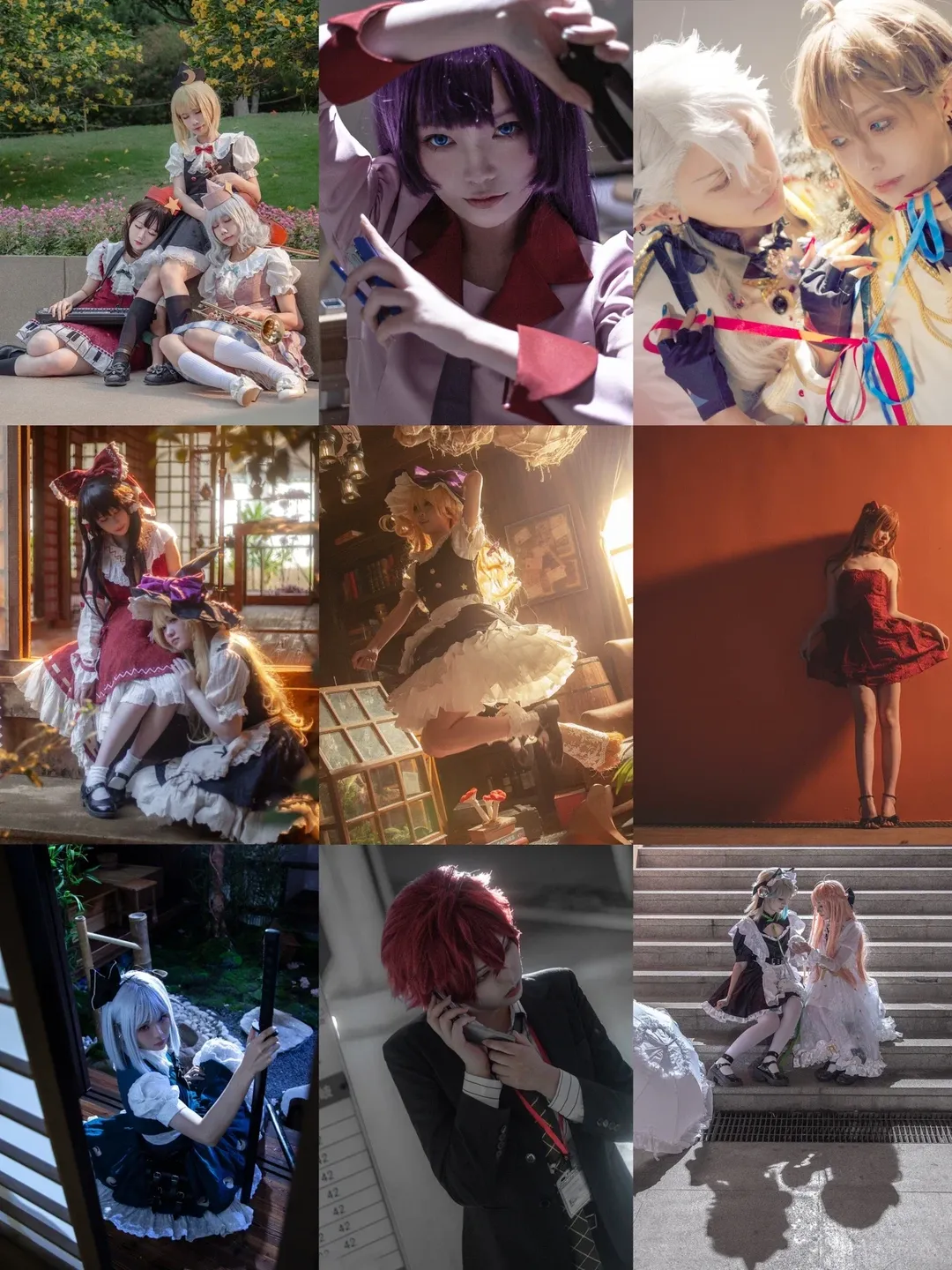
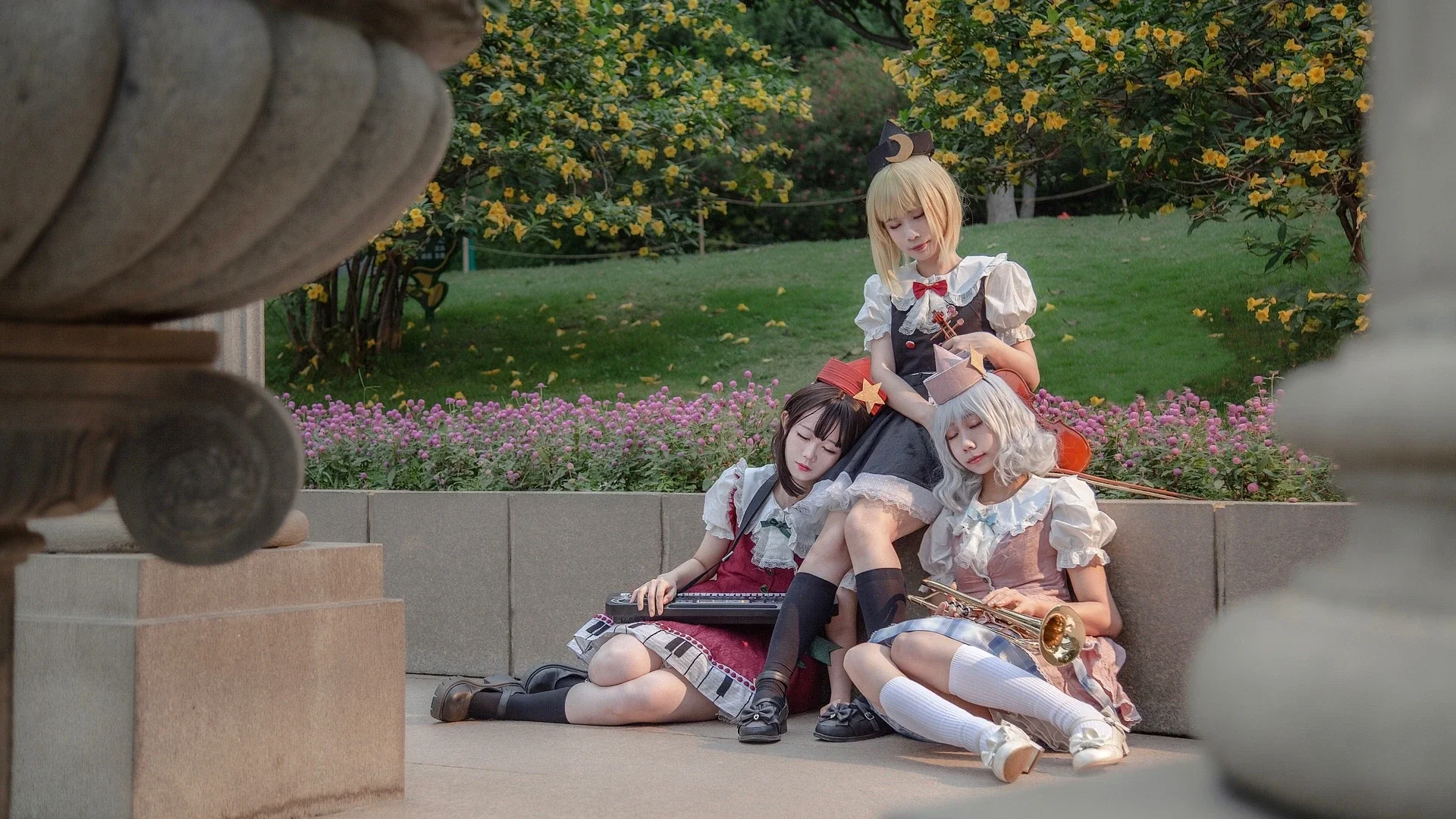
What kind of photos can you take with just one flash? After trying single-light photography myself, I discovered that its success rate and creative freedom far exceeded my expectations. Usually, I personally prefer using a single AD200 to complete the vast majority of shoots—no need to drag around a bunch of heavy equipment, keeping ideas clear and setup extremely convenient. Combining the lighting ideas just shared by photographers, as the person in front of the lens, I also deeply felt the light and shadow changes brought by a single-light setup.
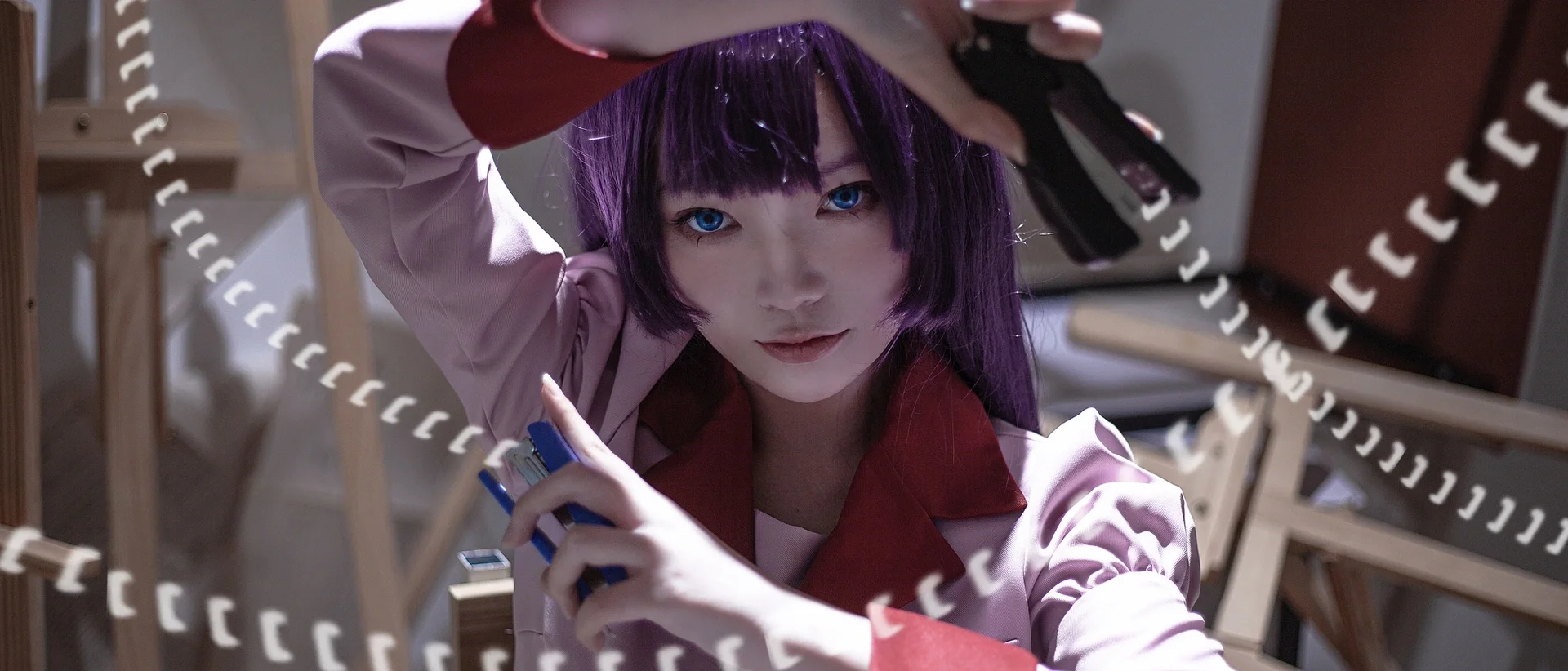
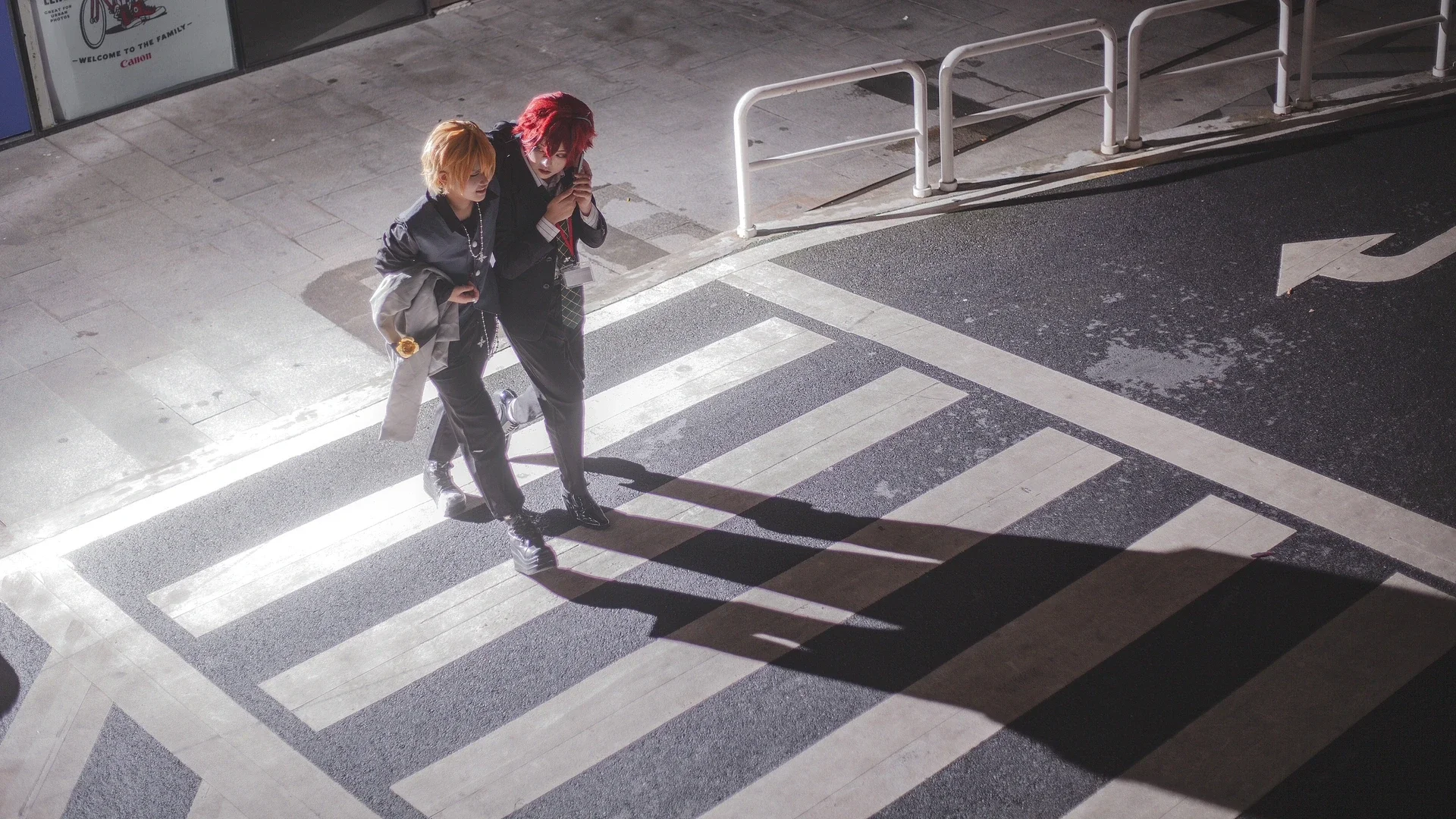
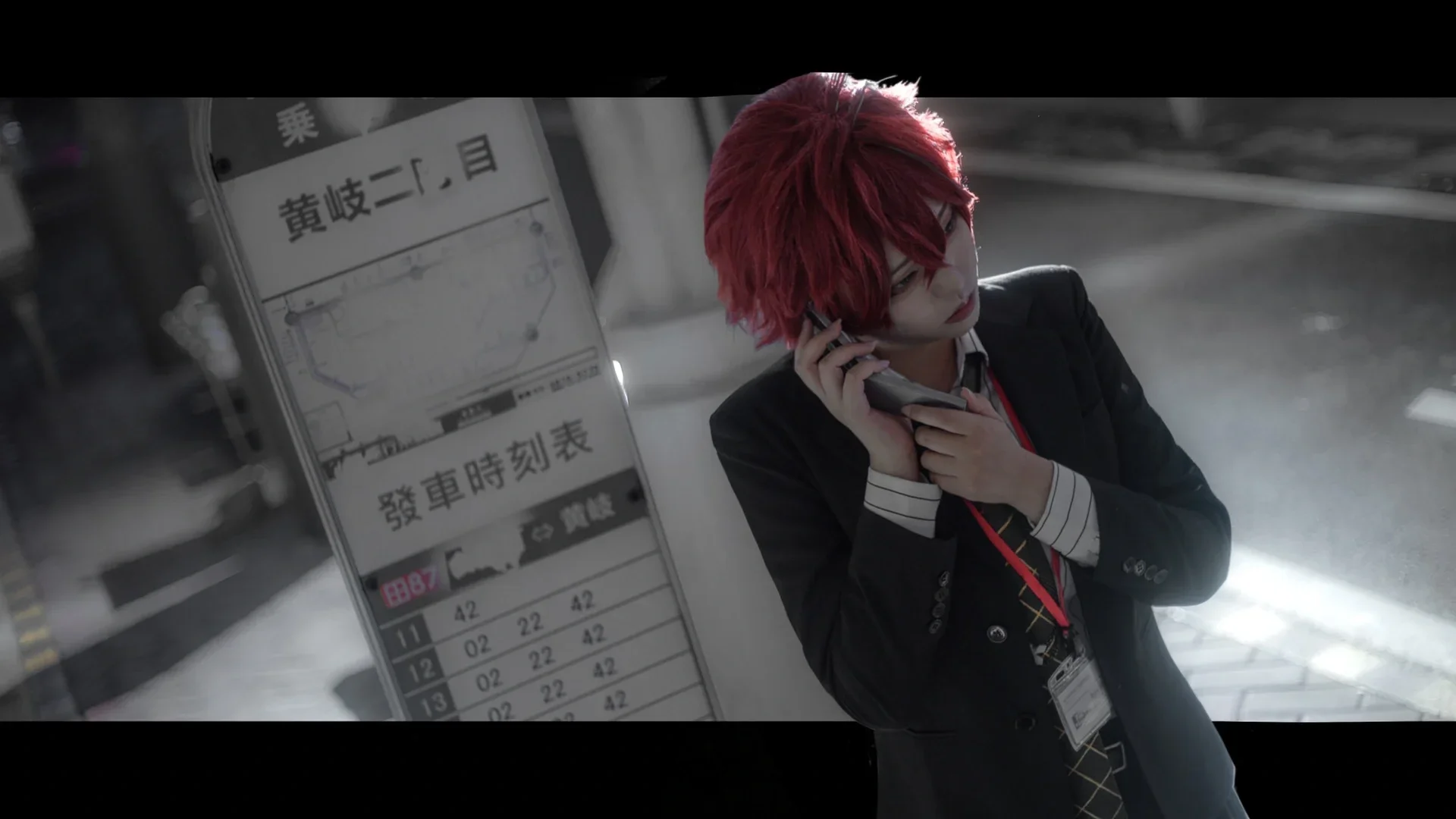
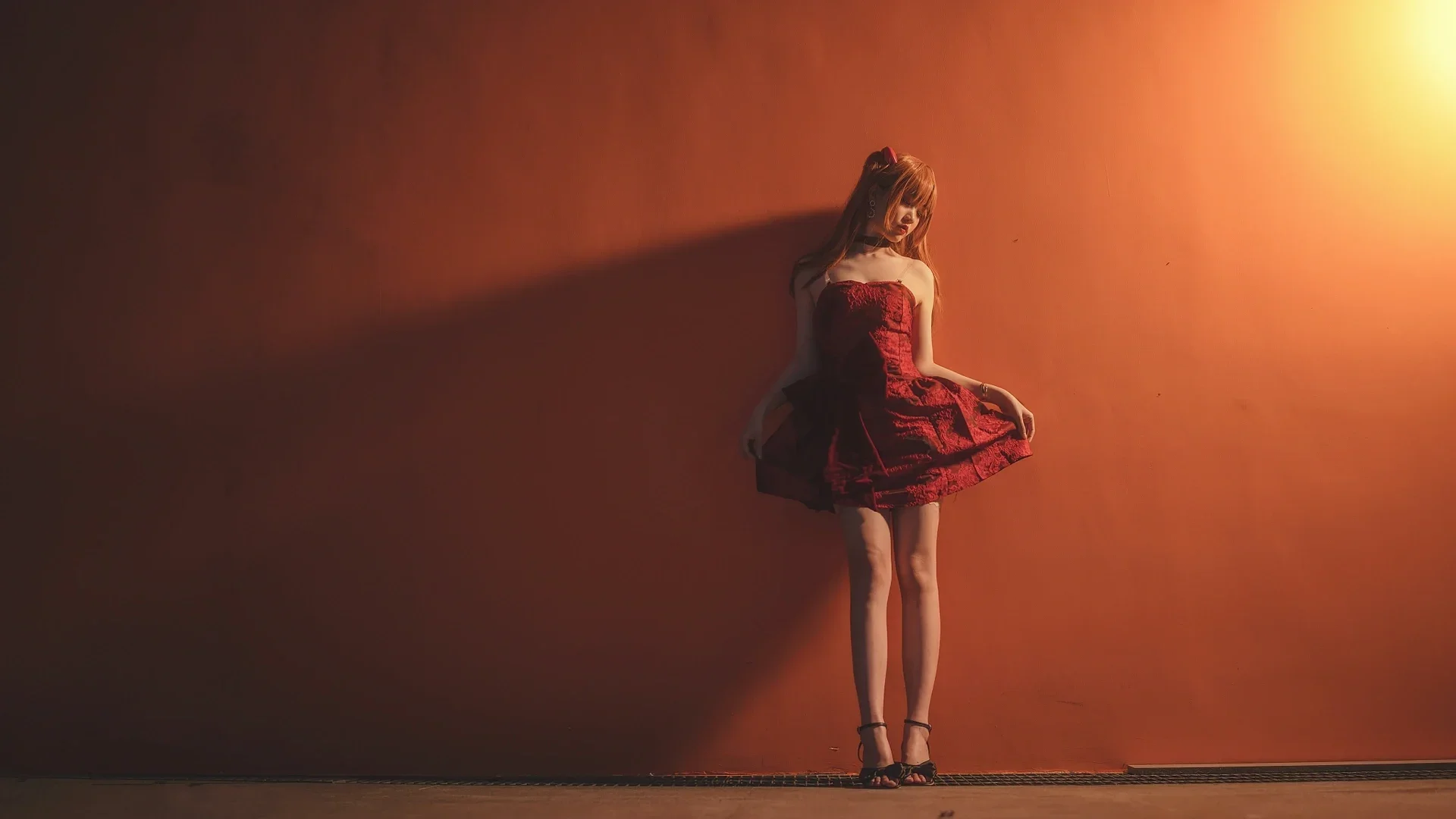
Take overhead lighting for example; many beginners in photography might think shooting straight down darkens the face terribly, making it easy to end up with the dreaded harsh top lighting. But during actual coordination, as long as the model tilts their head down slightly to let light sprinkle naturally over the face, face lighting becomes very even. Furthermore, if you want your photos to carry a unique feel, you can boldly raise your head and utilize a single side of the face with the overhead lighting angle—that subtle rim glow along the key light edge is truly suited for creating an immersive, atmospheric photography feel.
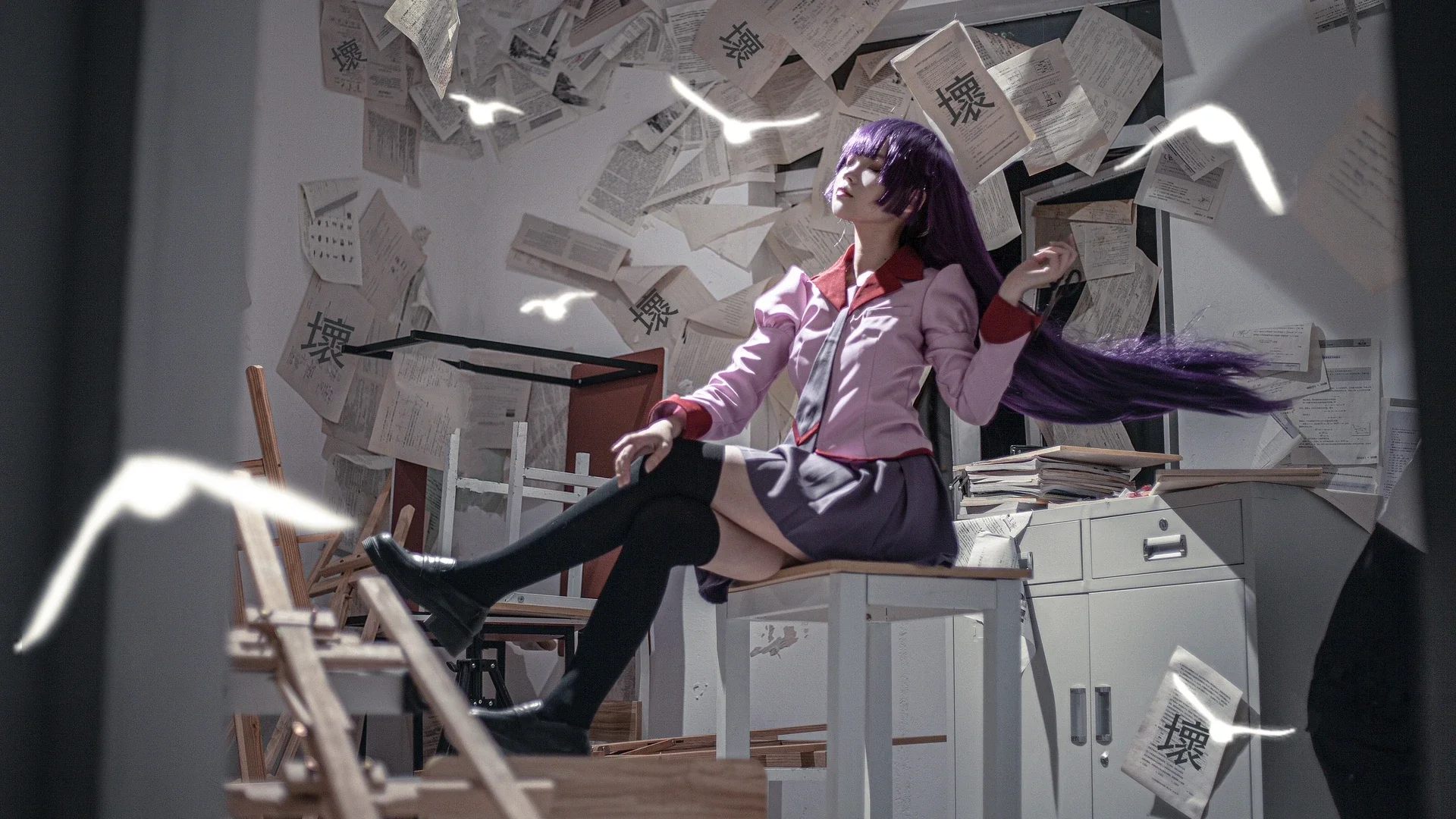
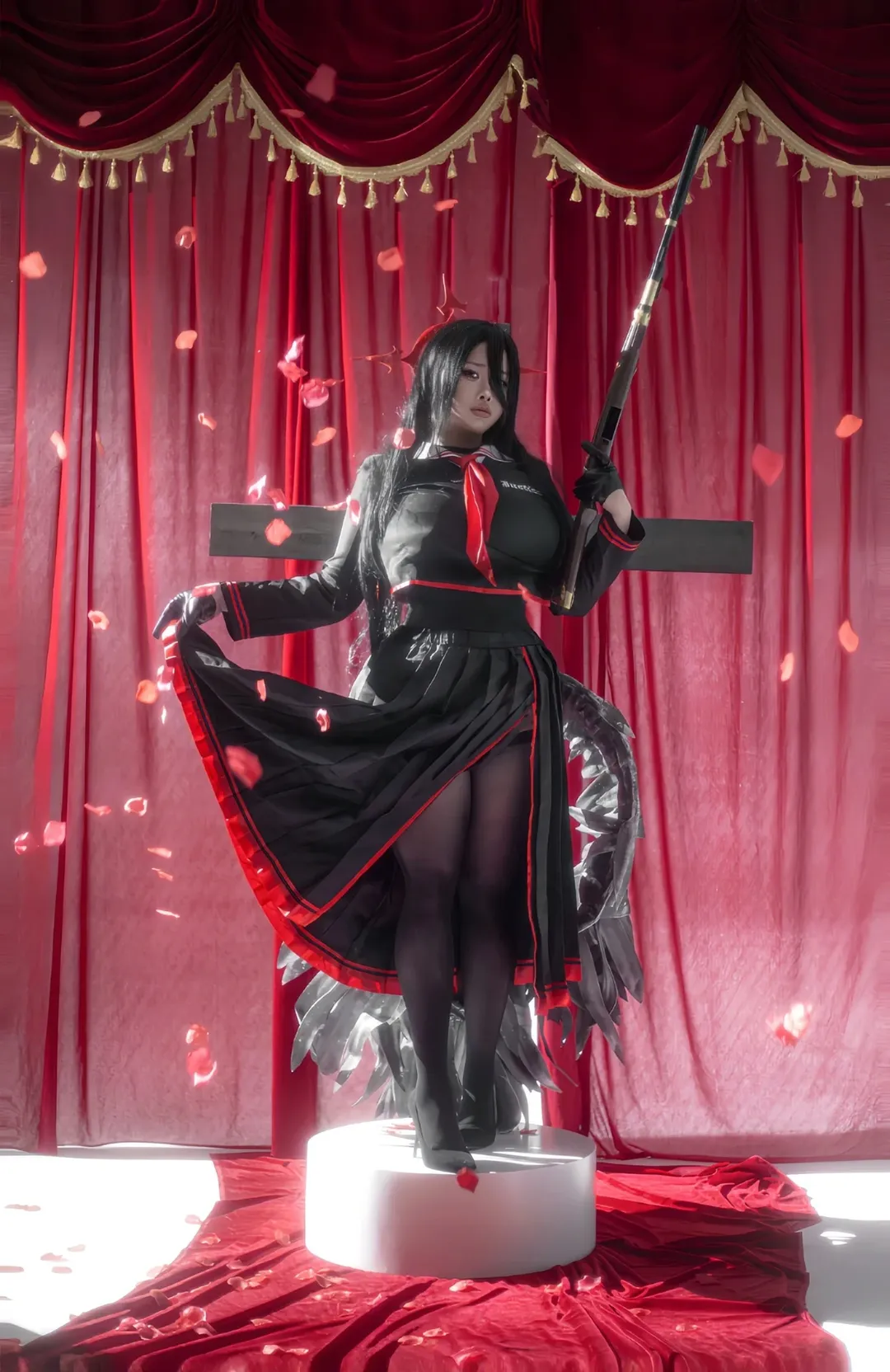
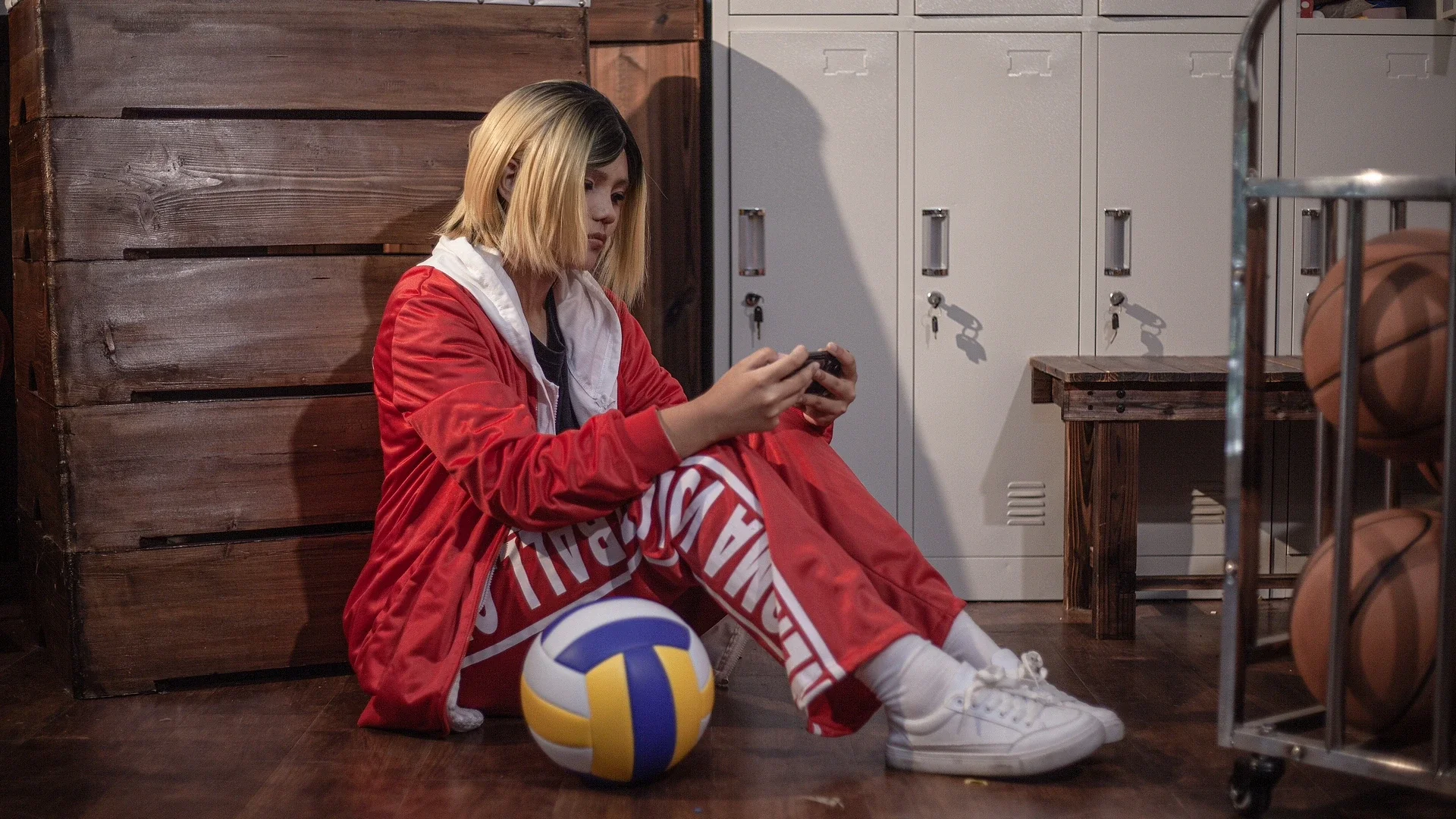
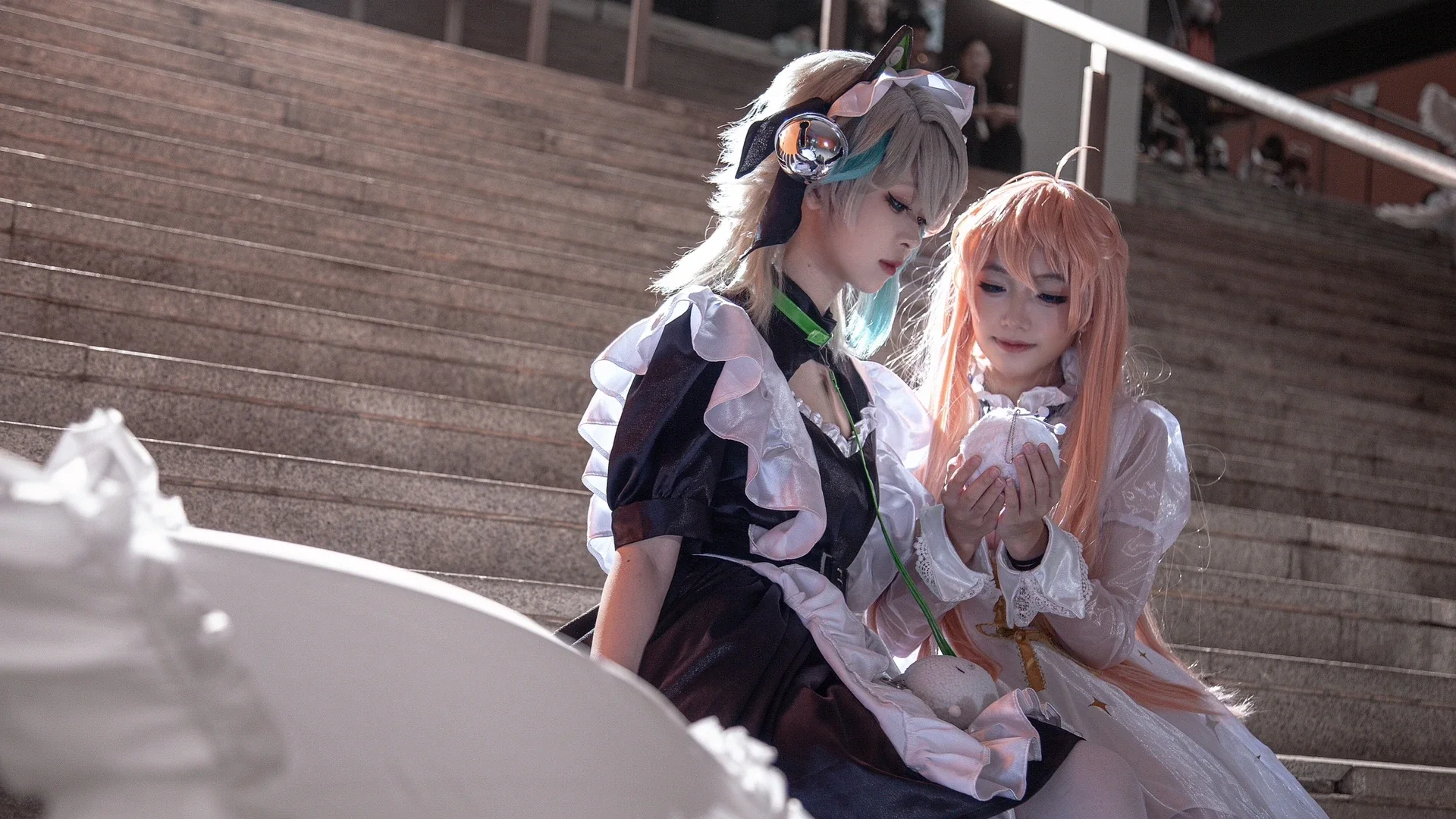
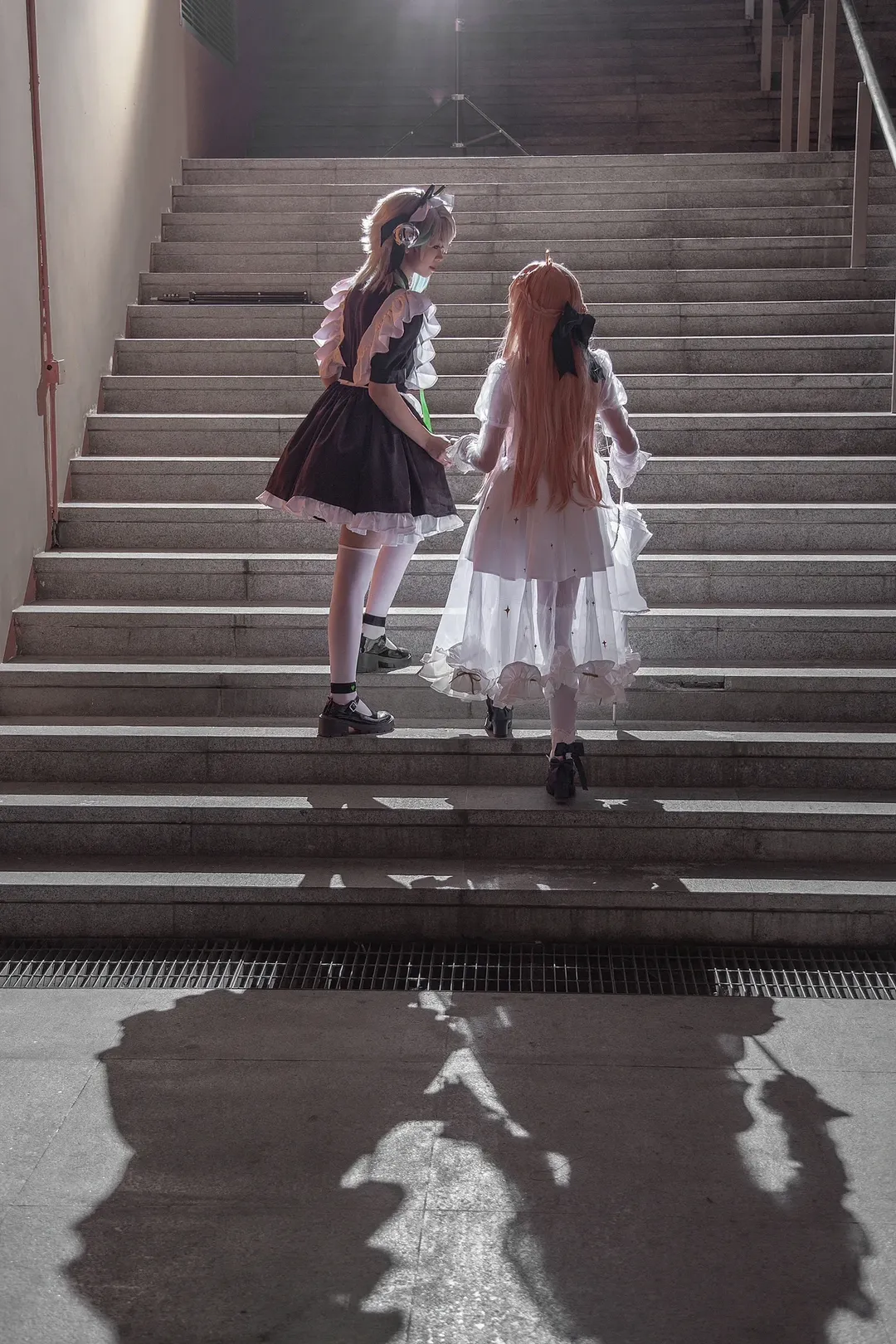
Next is using side rim light, which is also a light source I really love as a model. Setting up a single light at the side rear means you don't need to worry excessively about filling facial light. This lighting beautifully outlines character hair contours and body silhouette edges. In a red-and-black uniform look like this, side rim light combined with slight post-processing adjustments delivers clean, high-end visual tension in Cosplay photography.
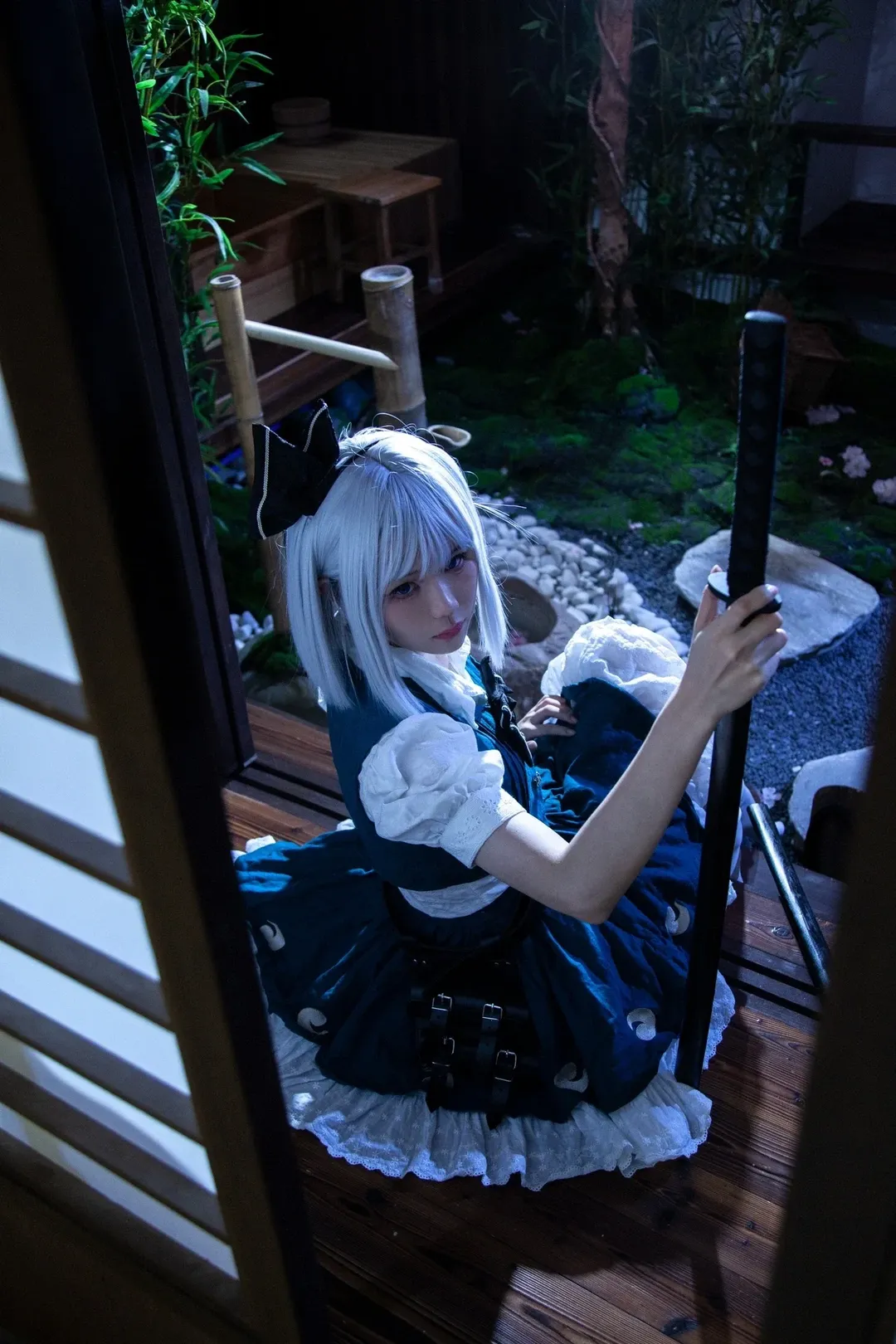
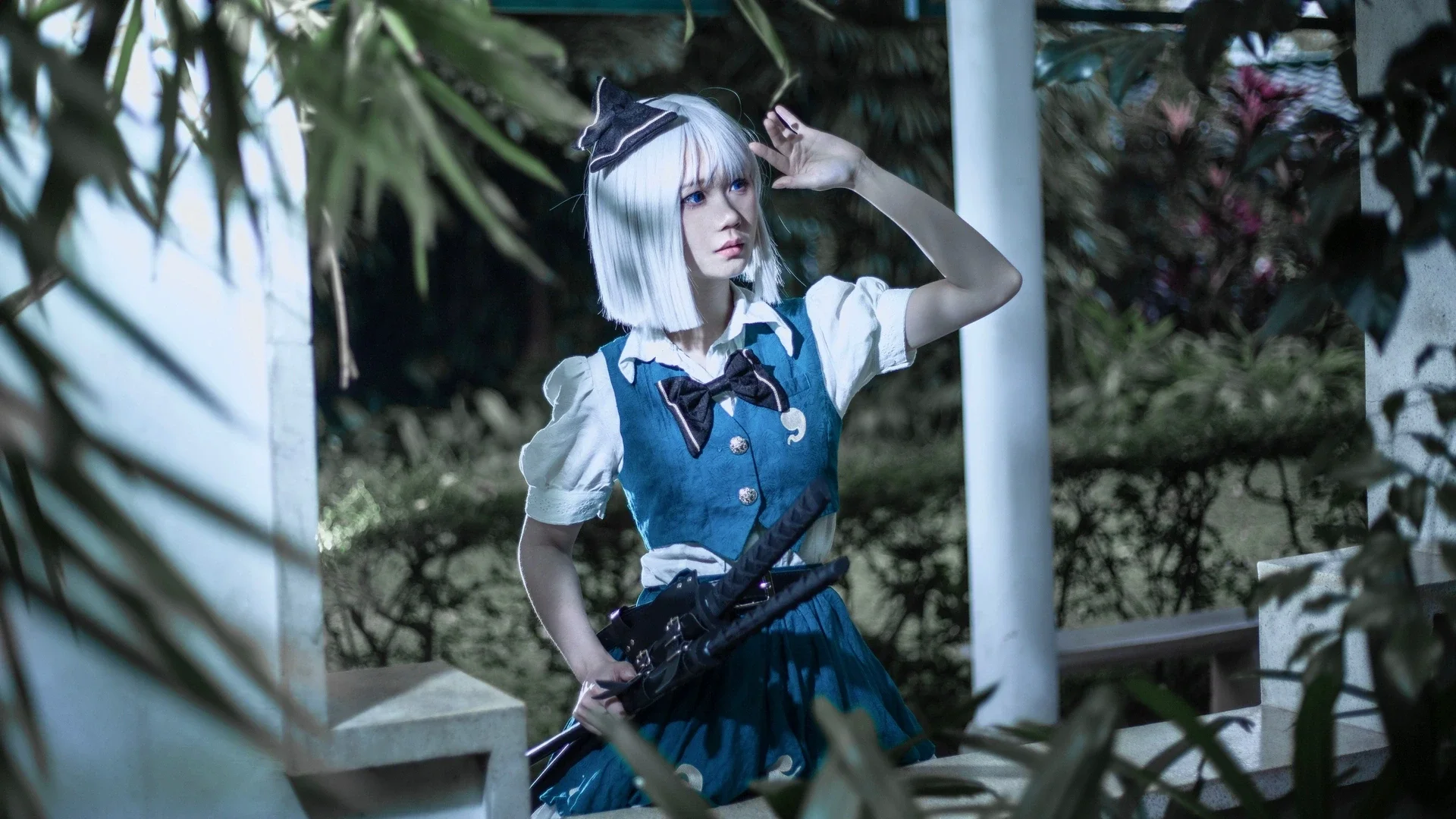
We can also flexibly use a single-light setup to simulate natural light. There are many photography techniques to soften light, such as placing a sheet of paper in front of the lamp or using windows as a medium to scatter harsh light. Setting up a single light outside a window or amidst bamboo shadows cuts the light through the environment first, yielding a very translucent image. Lowering highlight values slightly in post-production further reduces hardness, creating a natural feel of falling skylight.
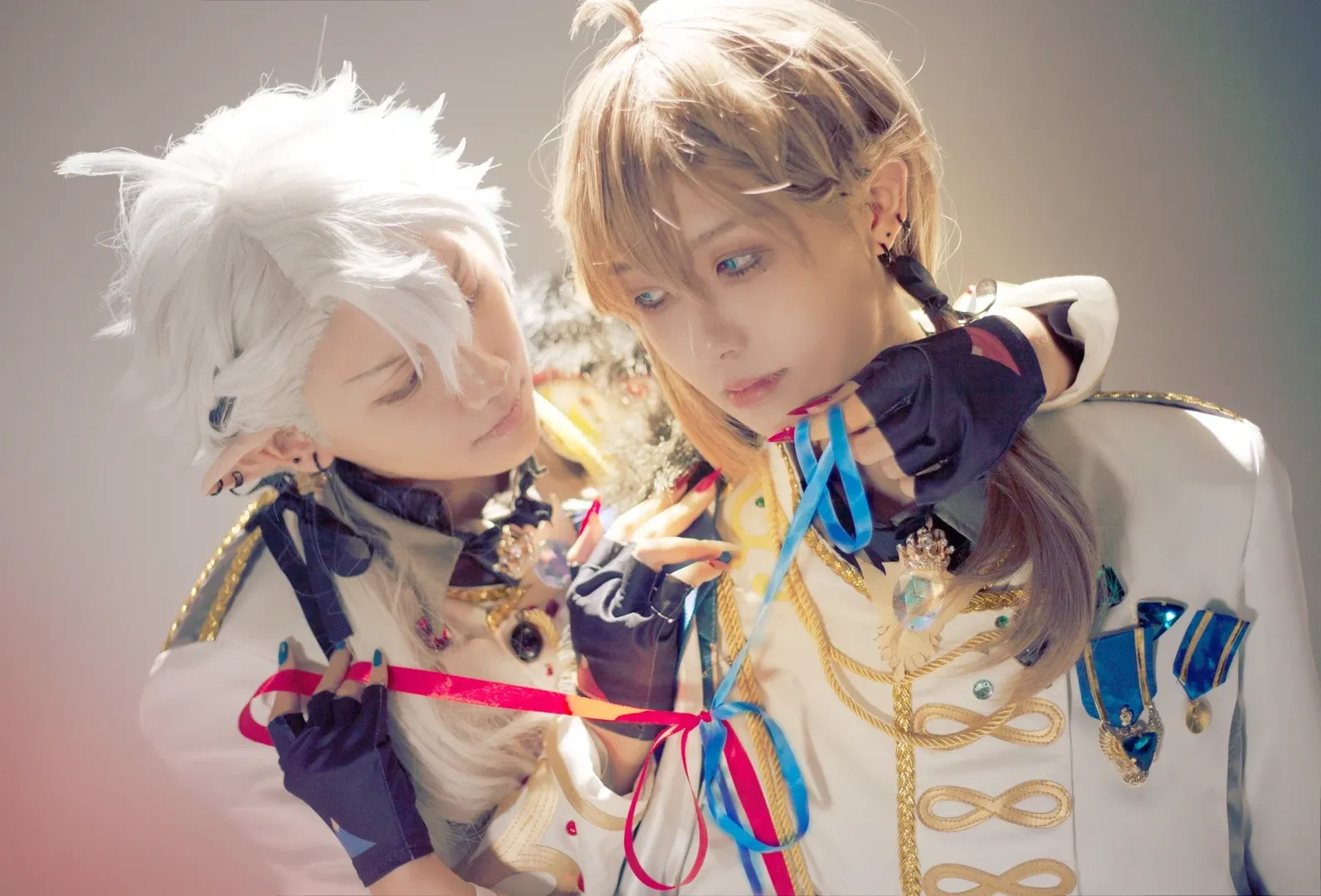
Many friends might ask: does using only a single light mean you don't need extra facial fill light? There's no need to worry at all. A single light achieves natural fill light through a very simple principle: diffuse reflection. When top light or side rim light hits walls, floors, or clothing fabrics, light naturally reflects onto the face via diffuse reflection. This reflected facial light is exceptionally soft, eliminating concerns about overexposure. As fill light, you just need to turn up the flash power slightly—like setting the AD200 to 1/1—to keep ambient light well-balanced.
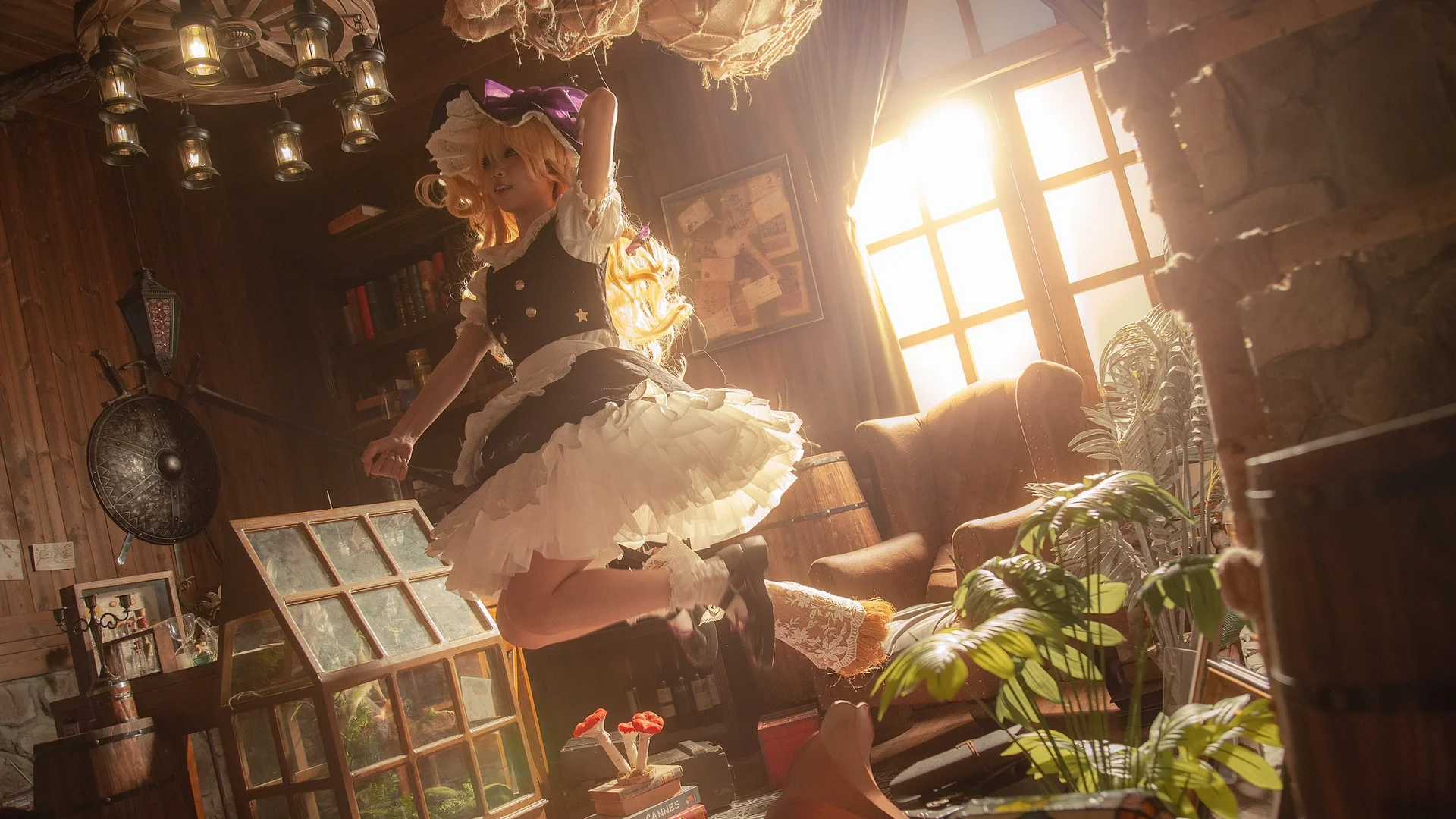
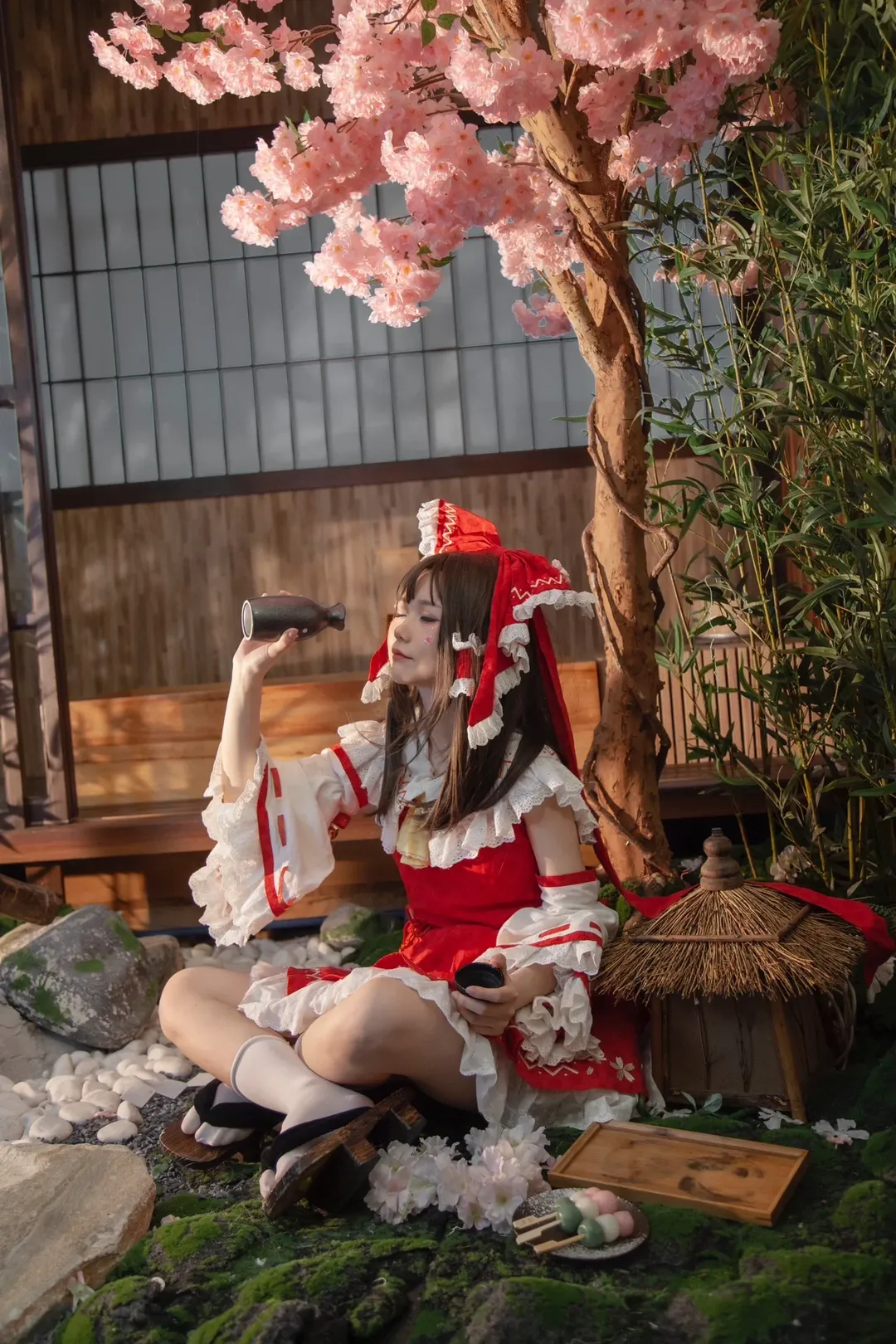
In particular, for indoor studio shoots or indoor environments, if you want to preserve ambient texture, you can lower the shutter speed to around 1/50. This allows light from outside windows, small string lights, or prop lights in the environment to blend in naturally. In a set of traditional Japanese-style single-light photos filled with wooden elements, combining a single-light setup with a slow shutter speed seamlessly integrated light and shadow across cherry blossoms, wine glasses, and small wooden cabins, maxing out the atmospheric photography feel instantly.
Single-light setups offer great freedom, and this share merely provides a line of thought. As a photography enthusiast still constantly learning, I am also repeatedly experimenting with different mediums, angles, and coordination between models and light positions. Ultimately, rather than worrying about incomplete gear, it's better to master the single light in your hands—after all, under many on-set shooting constraints, the setup that easily yields great results is often just one light.